Nukus is the kind of place that slips through the cracks of most travel itineraries. Unlike the bustling bazaars of Samarkand or the grand madrasas of Bukhara, this city in western Uzbekistan doesn’t draw crowds with its ancient monuments or architectural splendors. Yet it holds something far more unexpected: one of Central Asia’s most remarkable art collections, the State Museum of Arts named after Igor Savitsky. This isn’t just a museum—it’s a story of defiance, a repository of art that might have vanished if not for the persistence of one man.
Igor Savitsky, a Russian artist and ethnographer, arrived in Karakalpakstan in the mid-20th century. At the time, this remote region was little more than a forgotten corner of the Soviet Union, a place where people were sent into exile or assigned to work by the state. But Savitsky saw something else here: a living culture, rich traditions, and, most importantly, art that the official ideology of the era sought to erase. In 1966, he founded a museum that began as a modest collection of Karakalpak folk art but soon grew into something far more significant.
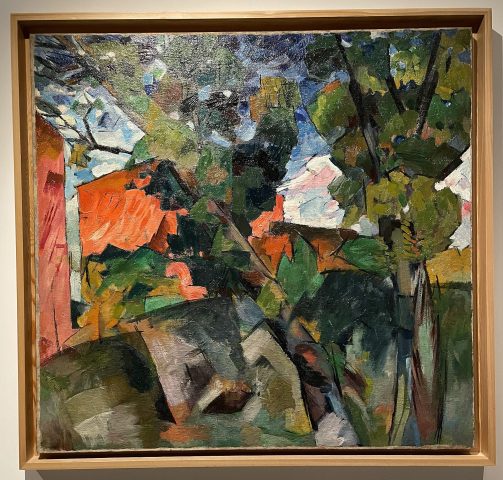
Today, the museum bears Savitsky’s name and houses over ninety thousand pieces. Among them are archaeological finds, intricate Karakalpak embroidery, ceramics, jewelry, and paintings. But its true treasure is the world’s second-largest collection of Russian avant-garde art. During the Soviet era, works by artists like Kandinsky, Malevich, Falk, and Popova were deemed ideologically dangerous and either locked away in museum storerooms or destroyed. Savitsky, risking his reputation and career, began secretly acquiring these pieces, rescuing them from obscurity.
What makes the Nukus collection unique isn’t just its size but its preservation. Unlike similar works in Moscow or St. Petersburg, which were only brought back into public view after the Soviet Union’s collapse, many of these pieces were displayed here all along—albeit discreetly. Now, they fill the museum’s spacious galleries, where they sit alongside local art and traditional crafts. The contrast is striking: here, radical modernism meets ancient tradition, creating an atmosphere where different eras and cultures coexist in a way rarely seen elsewhere.
The museum building itself is worth noting. Designed by local architects in the 1980s, it blends seamlessly into Nukus’s quiet streets. Its clean lines and uncluttered spaces allow the art to take center stage, with natural light flooding the galleries. There’s no grandiosity here, no attempt to overwhelm visitors with opulence. Instead, the focus remains on the collection itself—its authenticity, its depth, and the quiet power of the stories it tells.
Beyond the avant-garde, the museum offers a deep dive into Karakalpak culture. Ancient petroglyphs, traditional costumes adorned with elaborate embroidery, and ceramics that reflect centuries of craftsmanship all find their place here. The collection also includes works by 20th-century Karakalpak artists who managed to preserve their heritage while adapting to modern influences. These pieces reveal the resilience of a people who thrived in the harsh desert environment, creating a culture that is both rich and distinctly their own.
Visiting the Savitsky Museum isn’t like touring a typical tourist attraction. There are no crowds jostling for space, no guides herding groups through the halls. Instead, there’s a sense of quiet discovery, a chance to linger over details and absorb the weight of history. This is a place for those who see art not as mere decoration but as a vital thread in the fabric of human memory.
Nukus and its museum remind us that some of the world’s most extraordinary treasures lie off the beaten path. Here, far from the well-trodden routes of Uzbekistan’s famous cities, is a collection that defies expectations—a testament to one man’s belief in art’s power to preserve what others sought to erase. The Savitsky Museum isn’t just a repository of paintings and artifacts; it’s a quiet act of resistance, a place where history refuses to be forgotten.