Queen Elizabeth II Park is one of those places in Queenstown where the past and the landscape feel so intertwined that time seems to move differently here. Stretching along the shore of Lake Wakatipu, the park occupies land that was once part of the vast territories of the Māori before becoming grazing pastures for early European settlers. Today, it’s a quiet expanse of rolling green hills and mature trees, a place where you can wander without the crowds, even though the town centre is just a short walk away.
The park’s name comes from Queen Elizabeth II’s visit to New Zealand in 1953, when she officially opened a memorial garden here to honour New Zealanders who lost their lives in the Second World War. That garden remains one of the park’s most poignant features—a peaceful space with well-tended flowerbeds, stone plaques, and a small pond. In summer, roses bloom in soft colours, while winter gives the garden a more solemn air, a reminder that memory isn’t just about celebration but also about quiet reflection.
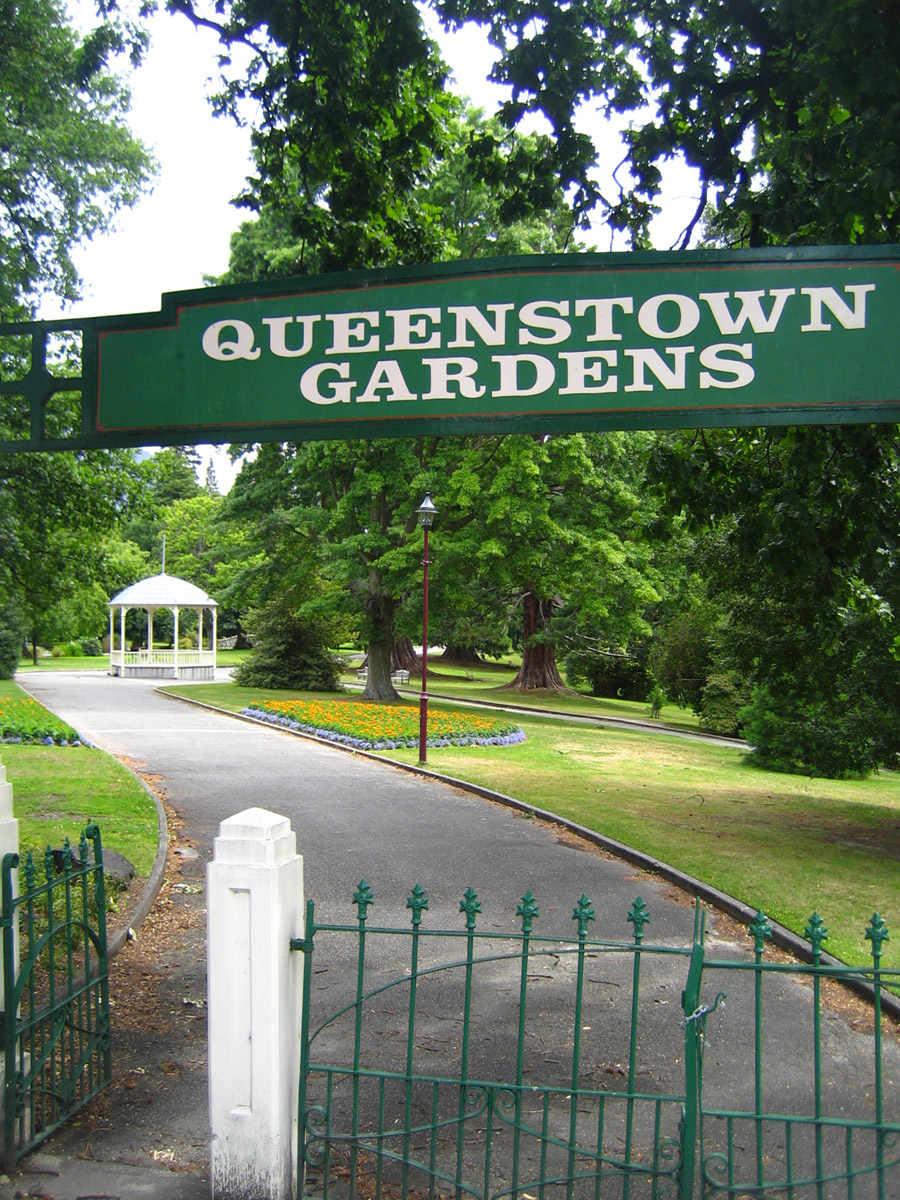
The design of the park is understated but thoughtful. Old stone bridges cross gentle streams, wooden benches are placed to frame views of the lake, and winding paths meander between trees, creating the sense that the park exists for its own sake, not just for visitors. There are no flashy attractions or noisy cafés, just open space for walking, picnics, or even a gentle jog. Locals often bring their children or dogs here, and on weekends, families spread out blankets on the grass, enjoying the simplicity of the place.
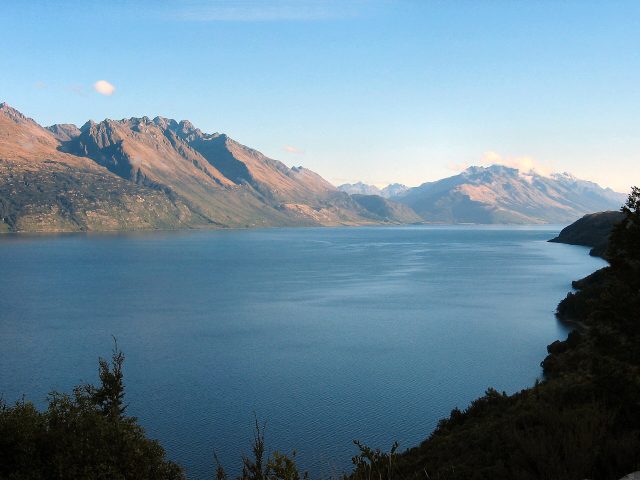
Lake Wakatipu, which borders the park, is a story in itself. Known as one of New Zealand’s most beautiful lakes, its waters are famously clear, reflecting the surrounding mountains in near-perfect symmetry. From several vantage points in the park, you can see the lake stretching out toward the Remarkables mountain range, with the distinctive peak of Cecil Peak rising on the opposite shore. On clear days, the water takes on a deep blue hue, while in winter, snow dusts the peaks, turning the landscape into something almost otherworldly.
The park is deeply connected to Queenstown’s history. In the 19th century, this land was part of a farm owned by one of the town’s first European settlers. Later, it became home to early gardens and tree-lined avenues. By the mid-20th century, the land was gifted to the town, and over time, it evolved into the park we see today. Some of the trees here were planted in the early 1900s, their branches now shading the same paths walked by people long gone.
For those who prefer a slower pace, Queen Elizabeth II Park is an ideal spot. You could spend hours wandering its trails without encountering anything but silence and views so perfect they seem unreal. In summer, the park comes alive with blooming rhododendrons, birdsong, and the distant hum of the town across the water. Evenings bring a soft glow from the lights along the lakefront. Winter, though quieter, has its own stark beauty—bare trees, grey skies, and snow-capped peaks creating a sense of stillness that feels almost sacred.
Despite its unassuming nature, the park plays an important role in Queenstown’s daily life. It’s where locals gather for celebrations, where couples take wedding photos, and where people come to escape the town’s usual hustle. There are no strict rules here—you can sit on the grass, feed the ducks by the pond, or read a book under a tree. Yet there’s also a sense of reverence, particularly in the memorial garden, where ceremonies are held each year on Anzac Day.
Queenstown is famous for its adventure sports and lively bars, but Queen Elizabeth II Park offers something entirely different. There’s no adrenaline here, just the chance to pause, look around, and understand why this corner of New Zealand draws people in. Perhaps it’s because the park captures everything that makes this region special—the grandeur of the landscape, the layers of history, and the quiet that’s so hard to find in the modern world.