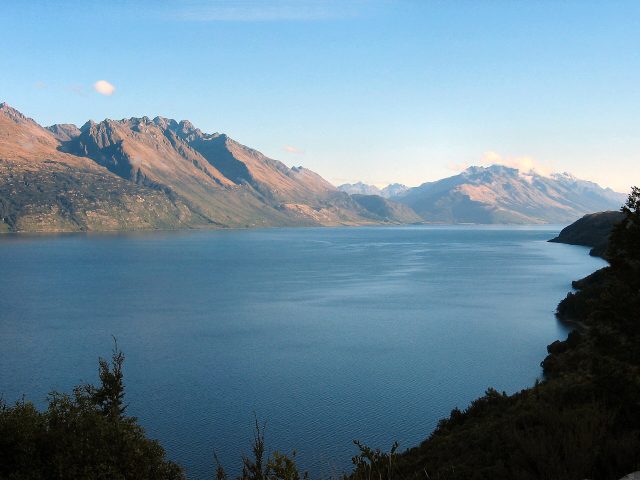
Milford Sound isn’t just a place you visit—it’s a landscape that lingers in your memory long after you’ve left. Carved by ancient glaciers rather than rivers, this dramatic fjord cuts deep into the southwest coast of New Zealand’s South Island, its sheer cliffs rising nearly a mile and a half above the dark, still waters. The name itself is a misnomer; early European explorers mistook it for a sound, and the error stuck, but the truth is far more impressive. Here, nature didn’t just shape the land—it sculpted something almost unreal, a place where water, rock, and sky collide in a way that feels both primal and impossibly grand.
The waterfalls are what many come to see, and they don’t disappoint. Bowen Falls cascades 525 feet in a steady, thunderous plume, while Stirling Falls, though smaller, has a raw, untamed beauty. But the real magic happens after rain. When the skies open up, the cliffs come alive with hundreds of temporary waterfalls, thin silver threads weaving down the rock faces before vanishing into the sound. With rainfall reaching nearly 280 inches a year, this is one of the wettest places on Earth, and the moisture only deepens the fjord’s mood—mist clinging to the peaks, the air thick with the scent of wet earth and salt, the water reflecting the shifting light like a mirror.
Beneath the surface, Milford Sound holds another world. A layer of freshwater from the rain and melting snow floats atop the denser seawater, creating a rare environment where deep-sea species thrive in surprisingly shallow depths. The underwater observatory offers a glimpse of this hidden ecosystem, where black coral and strange, luminous fish move through the dim blue. Above the water, the sound is home to bottlenose dolphins, their sleek bodies cutting through the waves, while fur seals lounge on the rocks and, if you’re lucky, little blue penguins dart between the waves in the cooler months.
Getting here is part of the experience. The road from Te Anau winds through valleys and over passes, crossing rivers and skirting cliffs before plunging into the Homer Tunnel, a rough-hewn passage through solid rock that feels like stepping into another era. The drive takes about two hours, but the scenery makes the time vanish—sheep grazing on emerald hills, waterfalls tumbling down distant slopes, the sudden reveal of the fjord itself, a slash of blue between towering walls. From Queenstown, the journey is longer, a four-hour drive each way, which is why most visitors opt for a day tour, leaving before dawn to arrive in time for the morning light.
Milford Sound is part of Fiordland National Park, a vast wilderness that’s also a UNESCO World Heritage site. The park is one of the last great untamed places on the planet, a landscape of jagged peaks, dense rainforests, and lakes so still they seem frozen in time. There’s no cell service here, no gas stations along the way—just the road, the mountains, and the occasional glimpse of a kea, New Zealand’s mischievous alpine parrot, perched on a roadside sign. The lack of modern distractions only makes the place feel more remote, more like a world apart.
The best time to visit is a matter of debate. Some swear by the drama of a rainy day, when the waterfalls are at their most furious and the cliffs disappear into the mist. Others prefer the rare moments of sunshine, when the light turns the water a deep, impossible blue and the mountains stand sharp against the sky. Either way, the fjord has a way of making you feel small in the best possible sense—reminding you that the world is still full of places where nature hasn’t been tamed, where the land doesn’t just exist but dominates, overwhelming the senses in the most beautiful way.
Staying overnight is possible, though not easy. The lodge at the wharf has a handful of rooms, and waking up to the sound of water lapping against the dock, the mountains looming just beyond, is an experience few forget. But most visitors come and go in a day, arriving by bus or car, taking a cruise through the sound, and then making the long drive back. In peak season, the road can get crowded, and parking at the wharf is limited, so patience is key. The journey itself is part of the draw, though—there’s something about the slow approach, the way the landscape unfolds gradually, that makes the final arrival feel like a reward.
Milford Sound isn’t a place you conquer or check off a list. It’s a place that stays with you, a reminder of how vast and wild the world still is. Whether you come for the waterfalls, the wildlife, or simply the chance to stand in a landscape that feels like the edge of the Earth, the fjord has a way of making you pause. It doesn’t ask for much—just your attention, your awe, and maybe a little time to let the silence settle in. And if you’re lucky, you’ll leave with the same sense of wonder you had when you first saw it, the kind that lingers long after the journey home.