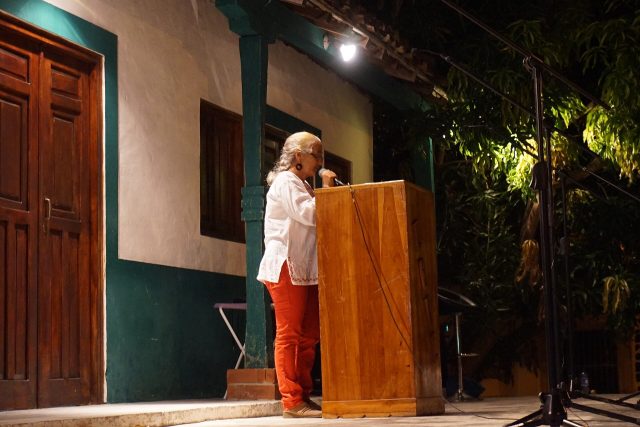
Independence Park in Penonomé is where history isn’t locked in museums. It’s in the rustle of old trees and the shade of stone benches, part of daily life. The park sits in the city center, a small square framed by low buildings with faded pastel facades. Their peeling paint and wooden shutters suggest a slower pace. No crowds, no souvenir stalls—just a quiet spot where locals escape the heat and travelers rest.
The square formed in the early 1900s, when Penonomé was no longer a colonial outpost but not yet modern. Farmers from nearby villages traded at weekly markets here. Families lingered in the evenings as a brass band played. Over time, the park collected stories. Some say Spanish conquistadors buried treasure under the oldest trees. Others claim whispers of Panama’s independence from Colombia began here. No proof exists, but the stories give the place a quiet weight.
A small neoclassical rotunda stands at the center. Its white columns and domed roof reflect European influences that arrived through trade. The structure isn’t grand—just a delicate fit for the square. Inside, benches once offered shade. Now, the rotunda serves as a photo backdrop or meeting spot. Nearby, a statue of Simón Bolívar watches over the scene. It’s less imposing than monuments in the capital but meaningful to locals.
The trees tell their own story. Ceibas and mango trees, some over a century old, cast dense shade. Their thick trunks and sprawling branches hold memories of Penonomé’s past. Locals say these trees remember when the city was a key stop on the trade route between the Atlantic and Pacific. Mule trains clattered through town, and merchants haggled in the square. Now, only the trees and a few old houses with wooden balconies remain.
Independence Park isn’t for attractions or entertainment. No rides, no gift shops, no scheduled performances—just the city’s unhurried rhythm. Mornings belong to elderly men playing dominoes on benches. Afternoons bring schoolchildren sprawled on the grass with snacks. Evenings see teenagers gathering near the rotunda, sharing music from a phone. On weekends, small fairs sell homemade jam, embroidered textiles, and clay pottery.
The park has changed little over the decades. New benches and paved walkways were added, but the layout remains the same. Penonomé has always moved at its own pace, untouched by upheavals that reshaped other parts of Panama. The city never aimed to be a tourist hotspot, so its center feels authentic.
For travelers, the park shows Panama without pretense. No luxury hotels, no crowded restaurants—just a quiet town where strangers nod in greeting. The air smells of earth and ripe fruit. Wander nearby streets, and you might find a pottery workshop using traditional methods or a bakery famous for coconut pastries. But those are beyond the park, which is just a small square on a map. Yet for those who notice, it’s a world of its own.
As dusk falls, the park changes. Lamps glow over the paths, and tree shadows stretch long. This is the best time to sit on a bench. A woman passes with groceries. Children chase fireflies. An old man rests with his cane. Nothing dramatic happens here. The park doesn’t try to impress. It simply exists, and that’s enough.