Álfanes Peninsula is one of those quiet corners of Iceland where the land feels untouched by time. Just a short distance from Reykjavík, this windswept stretch of green hills and rugged coastline offers something rare—a place where nature and history exist side by side without fanfare. There are no crowds here, no souvenir stands, no guided tours with loudspeakers. Instead, there are rolling meadows, moss-covered lava fields, and cliffs where the Atlantic crashes against black basalt. On clear days, the view opens up across Faxaflói Bay, where whales sometimes surface and seabirds wheel overhead. It’s the kind of place where you can walk for hours without seeing another soul, where the only sounds are the wind, the waves, and the occasional cry of a gull.
The history of Álftanes runs deep, back to the days when the first Norse settlers arrived in Iceland in the ninth century. The peninsula was one of the early footholds for those hardy pioneers, and its name is tied to Álftur, one of the original landowners. For centuries, life here revolved around the sea and the land—fishing, farming, and raising livestock. The remnants of that past are still visible if you know where to look: old stone walls snaking across the hills, the crumbling foundations of long-abandoned homes, and burial mounds half-hidden in the grass. These quiet markers tell a story of resilience, of people learning to thrive in a landscape that was never easy.
This isn’t a park in the usual sense. There are no manicured paths, no neatly trimmed hedges, no signs pointing the way. The land is wild and uneven, with sudden dips and rises that make every walk feel like an exploration. In some places, narrow trails wind through thickets of dwarf birch and willow; in others, they hug the edge of cliffs where the ocean roars below. The terrain shifts with the seasons—blanketed in snow in winter, carpeted with wildflowers in summer, golden and windswept in autumn. It’s a place that demands to be experienced on its own terms, without hurry.
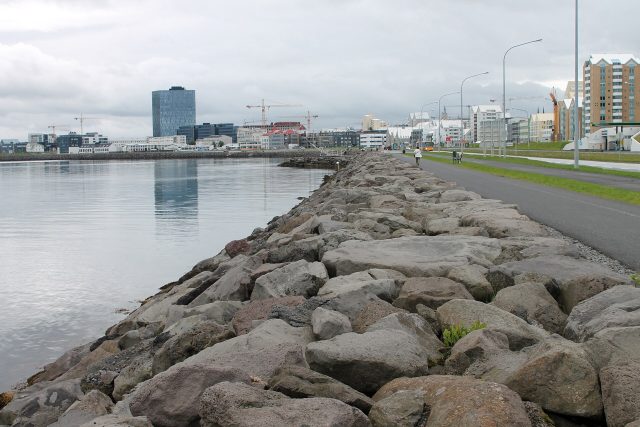
The real magic of Álftanes lies in its connection to the sea. The coastline here is jagged, with small coves and rocky outcrops where the tide leaves behind shallow pools teeming with life. At low tide, you might spot tiny fish darting between the rocks or crabs scuttling across the sand. Locals sometimes come here to gather seaweed or simply sit on the stones, watching the horizon. When storms roll in, the waves crash against the shore with a force that shakes the ground, a reminder of how small humans are in the face of nature. Even on calm days, the ocean’s presence is constant—a deep, rhythmic pulse that shapes the land and the people who live here.
Despite its wildness, Álftanes is a place where people and nature coexist easily. There are no fences, no restrictions on where you can walk. Icelanders come here to picnic, to let their dogs run free, or to escape the noise of the city. In summer, sheep graze on the hillsides, untethered and unhurried, a common sight in a country where livestock often roam freely. Sometimes, you’ll see riders on Icelandic horses moving along the shore, their figures small against the vastness of the landscape. It’s a scene that feels timeless, as if the land itself has absorbed the rhythms of those who have lived here for generations.
For those curious about history, Álftanes offers a different kind of lesson—one written in stone and silence. There are no museums here, no plaques explaining the past. Instead, the land itself tells the story. Old farmhouses, some still in use, others slowly returning to the earth, stand as quiet witnesses to a way of life that has endured for centuries. The buildings are simple, built to withstand the elements, their weathered wood and stone blending into the landscape. There’s a certain beauty in seeing how nature gradually reclaims what was once human, how the land absorbs the traces of those who came before.
The mood of Álftanes shifts with the seasons. In summer, the light lingers almost around the clock, casting long shadows even at midnight. The sky turns soft shades of pink and gold, and the air is filled with the scent of grass and salt. Autumn brings a riot of color—amber, rust, and deep green—as the vegetation prepares for winter. When snow arrives, the peninsula becomes a silent, white expanse, broken only by the tracks of foxes or the occasional bird. Spring is a time of renewal, when migratory birds return, wildflowers push through the thawing ground, and the sound of dripping water fills the air.
This isn’t a place for those seeking excitement or entertainment. There are no attractions, no restaurants, no tour buses. What Álftanes offers instead is something far more valuable—a chance to step outside of time, to feel the weight of history and the vastness of nature. It’s a place where you can think, or not think at all, where the only agenda is the one set by the land itself. That’s why locals cherish it, why they come here to walk, to breathe, to remember what it means to be still. In a world that moves too fast, Álftanes is a reminder of what endures.