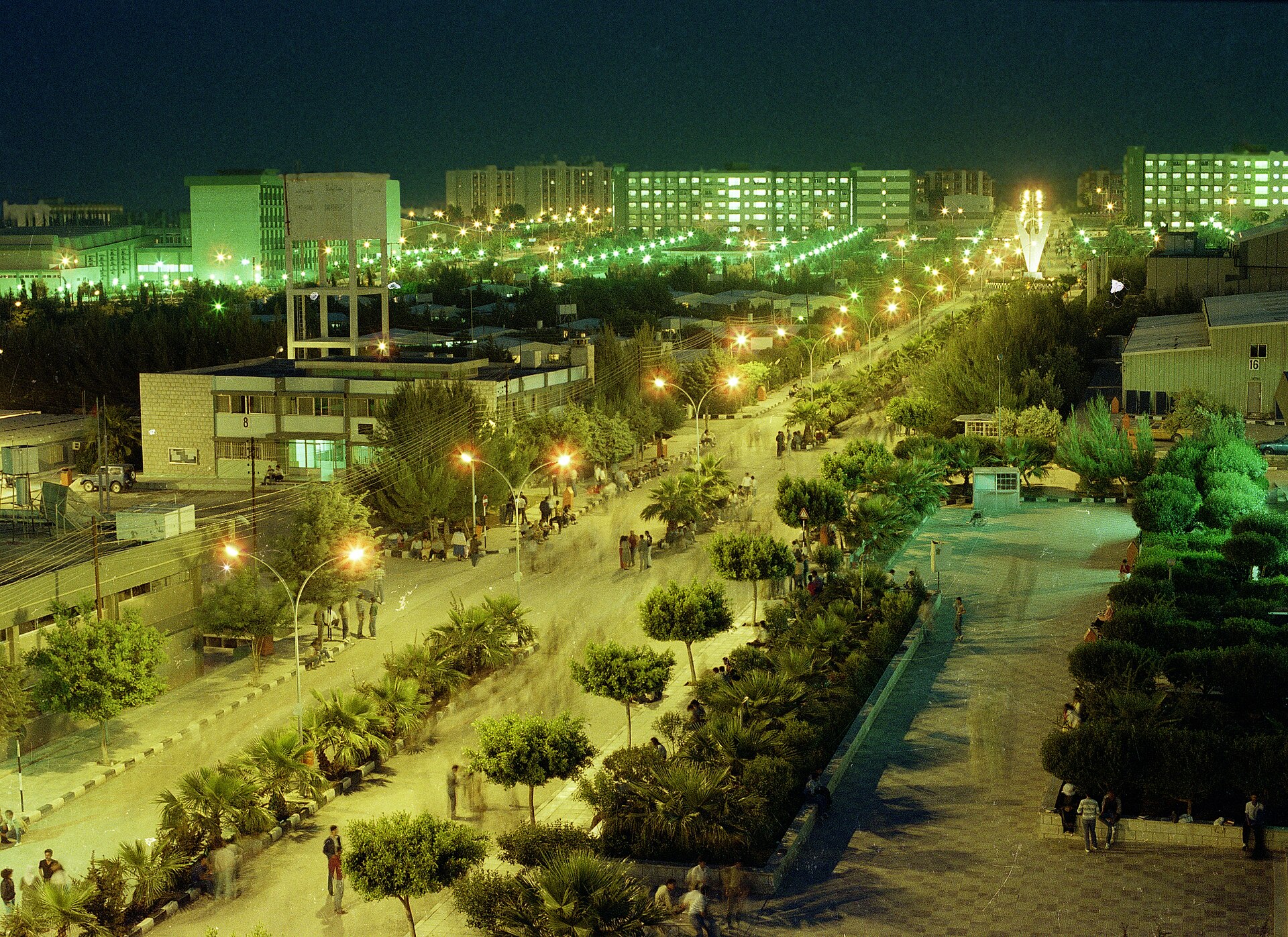
Al-Manara Park in Birzeit is one of those places where time seems to slow down, almost as if the world beyond its borders moves at a different pace. Tucked in the heart of this small Palestinian town, just a few kilometers north of Ramallah, it serves as a quiet gathering spot for locals and the occasional traveler. There are no grand monuments or tourist attractions here, just the gentle rustle of leaves, the shade of old trees, and the unhurried rhythm of everyday life—something rarely found in places accustomed to visitors.
The park’s history is woven into the fabric of Birzeit itself. The town is best known for its university, one of the oldest and most respected in Palestine, and Al-Manara has long been a natural meeting point for students, professors, and residents. The name translates to "lighthouse," though there’s no actual beacon here—it’s more of a metaphor, a symbol of how this place has always been a guiding presence for the community. Over the years, the park has witnessed everything from political rallies and celebrations to quiet afternoons where nothing much happens at all. Mostly, though, it has simply been a backdrop for ordinary moments: conversations, strolls, and the small, unremarkable joys of daily life.
The park’s design is simple, almost unassuming, and that’s part of its charm. A central walkway, lined with tall cypress and olive trees—staples of the Palestinian landscape—leads visitors through the space. Benches, worn smooth by years of use, sit beneath the branches, offering a place to rest. It’s not uncommon to find an elderly local perched on one, watching children kick a ball around or young couples wander the paths. At the center of the park stands a small fountain, though it doesn’t always run; water is precious here, and conservation is a way of life.
What makes Al-Manara special is its atmosphere of quiet normalcy. There’s no hustle, no forced hospitality, no attempt to cater to outsiders. The park exists for the people who use it, and if you find yourself here, you’re briefly part of that rhythm. Mornings bring women hurrying to the market with baskets, afternoons see students debating over coffee, and evenings draw families looking for a breath of fresh air. On weekends, the park comes alive with music and laughter—impromptu picnics, spontaneous performances, the kind of gatherings that feel effortless and unplanned.
For Palestinians, Birzeit and its park are more than just a location on a map; they’re part of a shared identity. The town has long been a hub of intellectual and cultural life, and Al-Manara has played its role in that story. Writers, poets, and artists have gathered here, ideas have been exchanged, and some of those conversations have found their way into books and paintings. Even now, amid the complexities of the region, the park remains a pocket of relative calm, a place where people can step away from larger concerns and simply be.
The park isn’t large—you could walk its perimeter in fifteen minutes—but there’s no rush. The real pleasure comes from slowing down: sitting on a bench with a cup of coffee or tea bought from a street vendor, watching the world go by. Time here feels different, as if it moves at its own unhurried pace. Maybe that’s why Al-Manara appeals to those who’ve grown weary of the relentless speed of modern life.
Around the park, small cafés and shops offer fresh pastries and traditional sweets. Kanafeh and baklava, made the old-fashioned way, are local favorites. If you’re lucky, you might catch a musician playing the oud or bouzouki, their melodies drifting through the air. But even without such moments, there’s always something to do: reading a book, listening to the birds, or just daydreaming as clouds drift overhead.
Al-Manara isn’t the kind of place people visit for dramatic experiences or Instagram-worthy photos. It’s for those who want to glimpse the real Palestine—the one that carries on, steady and unshaken, despite everything. There’s no luxury here, just authenticity, and that’s what makes the park truly special. After a visit, Birzeit might not feel like just another stop on a journey. It could become a place that lingers in memory, a reminder that sometimes the most meaningful moments are found not in grand landmarks, but in quiet corners where life unfolds at its own pace.