The site of Camp de Bouttáfouka lies on the outskirts of Batna, a place few outside Algeria have heard of, yet one that carries the weight of a turbulent chapter in the country’s history. It was here, during the long and bitter struggle for independence, that the French colonial authorities detained Algerian fighters and those suspected of ties to the National Liberation Front. The camp was part of a broader system of repression, a network of sites where resistance was met with confinement, hardship, and often worse. Today, little remains of the original structures—just fragments of walls, overgrown paths, and the quiet expanse of the surrounding hills. But the absence of grand memorials or polished exhibits only sharpens the sense of what once took place here.
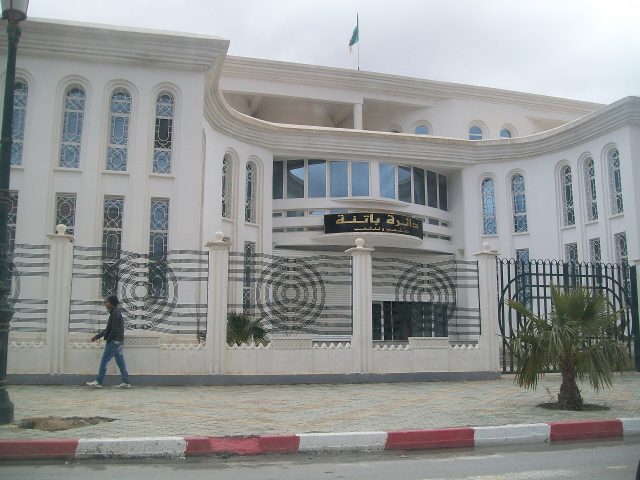
Batna itself is a city shaped by layers of history. Founded in the 19th century as a French military outpost, it retains traces of its colonial past in its grid-like streets and the sturdy, functional architecture of its older buildings. The city has grown since then, but its origins as a garrison town are still visible in the way it sprawls across the landscape, a mix of modern life and lingering echoes of another era. Nearby, the local market offers a glimpse of daily Algerian life—spices piled high, handwoven textiles, and the hum of bargaining voices. Yet for many who visit, the real draw is not the city itself, but the camp just beyond it, a place where history feels raw and unresolved.
What makes Camp de Bouttáfouka unusual is its stark simplicity. There are no guided tours, no plaques explaining each detail, no reconstructed barracks to walk through. Instead, visitors encounter an open space where the past is present in the silence, in the wind sweeping across the hills, in the way the light falls on the scattered stones. For Algerians, the site is a place of remembrance, a spot where families come to reflect on the sacrifices made during the war for independence. Parents bring their children here, not to teach them a sanitized version of history, but to show them where ordinary people endured extraordinary hardship. The lack of formal interpretation forces visitors to engage with the site on their own terms, to imagine the lives of those who were held here and the conditions they faced.
The camp’s history is tied to a broader narrative of colonialism and resistance. In the 1950s, as Algeria’s fight for independence intensified, the French authorities established a network of detention centers across the country. These were not prisons in the traditional sense, but places where suspects were held without trial, often in harsh conditions. Camp de Bouttáfouka was one such site, a place where the line between combatant and civilian blurred, where entire communities were swept up in the machinery of repression. The exact number of those who passed through its gates is unknown, but the stories of those who survived speak to the brutality of the era. Many did not live to see independence in 1962, and their absence lingers in the quiet of the place.
For outsiders, visiting the camp can be an unsettling experience. There is no scripted narrative to follow, no clear beginning or end to the story. Instead, the site invites reflection on the complexities of history—on the ways in which power is wielded, on the resilience of those who resist, and on the lingering scars of colonialism. Algeria has many historical sites, from the ancient ruins of Timgad to the Ottoman-era palaces of Algiers, but Camp de Bouttáfouka stands apart. It is not a place of grandeur or beauty, but one of stark, unvarnished truth. The absence of tourist infrastructure means that visitors must come prepared to confront the past without mediation, to sit with the discomfort of what happened here.
The landscape around the camp adds to its atmosphere. The hills stretch out in all directions, their slopes dotted with scrubby vegetation and the occasional cluster of rocks. The air is dry, the light sharp, and the silence almost tangible. It’s easy to imagine how isolated the camp must have felt to those held within it, how the vastness of the surroundings would have amplified the sense of confinement. Today, the site is accessible, but it remains off the beaten path, a place that requires effort to reach. That effort, however, is part of what makes it meaningful. There is no crowd here, no sense of being rushed through an experience. Instead, there is time—time to walk, to think, to absorb the weight of the place.
Batna itself is often overlooked by travelers, who tend to focus on Algeria’s more famous destinations. But the city offers its own quiet rewards. Its colonial-era buildings, though not as ornate as those in Algiers, have a solid, unpretentious charm. The streets are lively, the cafes bustling with conversation, and the nearby Aurès Mountains provide a dramatic backdrop. Yet it is the camp that leaves the deepest impression. It serves as a reminder that history is not just about monuments and museums, but about the places where ordinary people lived, struggled, and sometimes died. In a country with as rich and complicated a past as Algeria, such sites are essential—not just for understanding the past, but for grappling with the present.
Visiting Camp de Bouttáfouka is not about ticking off a tourist attraction. It is about bearing witness, about acknowledging a history that is still felt in the lives of Algerians today. The camp is not a relic to be admired from a distance, but a place that demands engagement. For those willing to make the journey, it offers a rare opportunity to connect with a chapter of history that is often overshadowed by more famous events. It is a place where the past is not neatly packaged, but raw and immediate, a quiet testament to the enduring power of memory.