
Batna
Algiers · 8 places
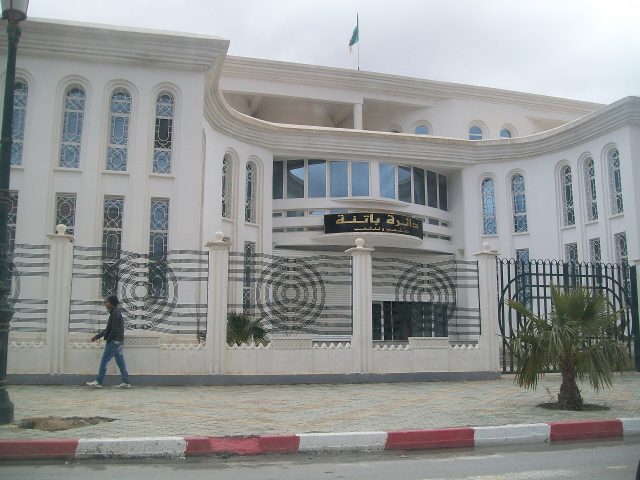
Photo: Maccc, CC BY-SA 3.0
Batna sits quietly in northern Algeria, where the dry warmth of the Mediterranean gives way to the cooler air of the Aurès Mountains. There’s no rush here, no tourist crowds jostling for the best photo spots. Instead, the city moves at its own pace, a place where modern life and tradition brush shoulders without fuss. The streets are lined with plane trees, their leaves rustling in the breeze, and the past lingers in the architecture—wide boulevards, shuttered houses with high ceilings, a legacy of the French colonial era.
Founded in the mid-19th century as a military outpost, Batna still carries the marks of its history in its layout and buildings. Today, it’s a regional hub, alive with the hum of students, traders, and travelers who pass through. The city doesn’t offer luxury or spectacle, but something rarer: a sense of authenticity. The cafés fill with conversation, the markets buzz with haggling, and the universities bring a youthful energy that keeps the streets from feeling stuck in time.
Beyond the city, the Aurès Mountains rise like a natural fortress. They’re a draw for hikers and those who want to see Algeria beyond the usual postcard scenes. Ancient Berber villages cling to the slopes, their stone-and-clay houses blending into the landscape. Springs bubble up in the gorges, and shepherds guide their flocks along the hillsides. In summer, the mountains offer respite from the heat; in winter, snow dusts the peaks, turning the area into a quiet destination for skiers.
Life in Batna unfolds without hurry. The central market is where the city’s rhythm is most tangible—spices piled high, olives glistening in the sun, and rugs woven with patterns passed down through generations. Here, you can taste the local food: slow-cooked lamb stews, flatbreads pulled fresh from the oven, and mint tea so strong it lingers on the tongue. There’s no need to rush. The city doesn’t demand attention; it simply exists, steady and unassuming, the kind of place that stays with you long after you’ve left.
See & Do
All of them

Places on the map
Marker colour follows the categoryClimate and weather
Detailed weather: Batna- Average temperature
- 16 °C
- Precipitation per year
- 285 mm
- Sunshine hours per day
- 8.3 h
Average air temperature
°C
6
8
11
14
19
25
29
27
23
17
11
8
Jan
Feb
Mar
Apr
May
Jun
Jul
Aug
Sep
Oct
Nov
Dec


