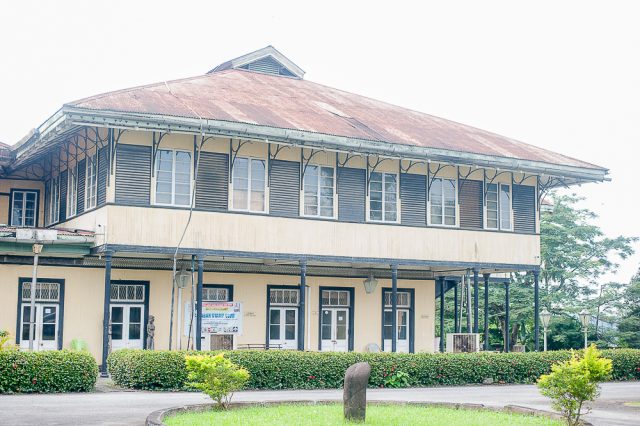
Oron Museum in Calabar is one of those quiet places where history doesn’t just sit behind glass—it lingers in the air, in the grain of wooden masks, in the stories that refuse to fade. Tucked away in southeastern Nigeria, the museum might seem unassuming at first glance, but its significance stretches far beyond its modest walls. It was established in the mid-20th century, a time when Nigeria was only beginning to recognize the fragility of its cultural heritage. Many artifacts that had been passed down for generations were at risk of disappearing, sold off or lost in the rush of change. The museum became a refuge for these pieces of the past, a deliberate effort to preserve what might otherwise have been forgotten.
The heart of the museum lies in its collection of wooden masks and sculptures, each one a silent testament to the beliefs and social structures of the Efik people and their neighbors. These aren’t just decorative objects; they were once integral to rituals honoring ancestors or invoking the spirits of nature. The *ekpo* masks, for instance, were worn during festivals to commune with the dead, their carved features embodying the presence of those who had passed. Then there are the *nsibidi* symbols, intricate designs carved into wood that served as a kind of coded language, understood only by the initiated. To modern eyes, they might look alien, but there’s a weight to them, a sense of continuity that persists even as traditions evolve.
The museum building itself is simple, designed with a practicality that reflects its era. Built in the mid-1900s, it predates the era of grand museum complexes, and there’s no marble or glass here—just high ceilings and natural light that spills in as if filtered through the leaves of the trees outside. The surrounding garden is small but alive with the occasional murmur of traditional ceremonies, a reminder that this place isn’t just about preservation but about keeping traditions relevant. It’s not a destination for crowds; it’s for those who want to step into a world where the past feels tangible, where every object has a story to tell.
Oron isn’t just the name of the museum—it’s also the name of the people who have lived in this region for centuries. The Efik, Ibibio, and Annang communities share deep cultural ties, and the museum acts as a bridge between their history and the present. Beyond the masks, the exhibits include everyday objects: clay pots, woven baskets, fishing tools. These items might seem ordinary, but they speak volumes about how people survived in a landscape shaped by the Niger Delta’s challenges. A wooden mortar for pounding yam, a fishing net made from palm fibers—each one is a piece of a larger narrative about resilience and adaptation.
One of the most sobering sections of the museum is dedicated to the transatlantic slave trade. Calabar was a major port in the 18th and 19th centuries, a place from which countless Africans were shipped to the Americas. The museum holds documents, chains, and other artifacts that bear witness to this brutal chapter of history. There’s no sensationalism here, just a quiet acknowledgment of the past and its lasting impact. It’s a reminder that history isn’t just about distant events—it’s about the lives that were irrevocably changed, the families torn apart, the cultures that had to rebuild.
Visiting Oron Museum isn’t like touring a typical museum. There are no scripted guides or lengthy plaques, just the freedom to wander and let the objects speak for themselves. Sometimes, the staff will share stories about a particular mask or tool, but it’s done casually, as if passing down a family tale. The atmosphere is intimate, almost like stepping into someone’s home, which is part of what makes it feel so different from more polished tourist attractions. It’s a place where history isn’t just observed—it’s felt.
Calabar itself is a city layered with history. Long before it became known as a cultural hub, it was a crossroads for trade, where European merchants and missionaries left their mark alongside local traditions. The museum reflects this blend, with exhibits that show how foreign influences were absorbed and reinterpreted. A set of European clocks, for example, might have been repurposed by local leaders, or a piece of fabric could combine African motifs with imported designs. These objects aren’t just relics; they’re evidence of a culture that has always been dynamic, always adapting.
Today, Oron Museum is more than just a repository of artifacts. It’s a living space where tradition continues to evolve. Workshops on woodcarving, discussions about the symbolism of masks, and small exhibitions by contemporary artists all keep the connection to the past alive. It’s not a place where history is frozen in time; it’s where it’s still being written. For anyone who wants to understand Nigeria’s history not through textbooks but through the voices of the people who lived it, the museum offers a rare and meaningful glimpse into a world that refuses to be forgotten.