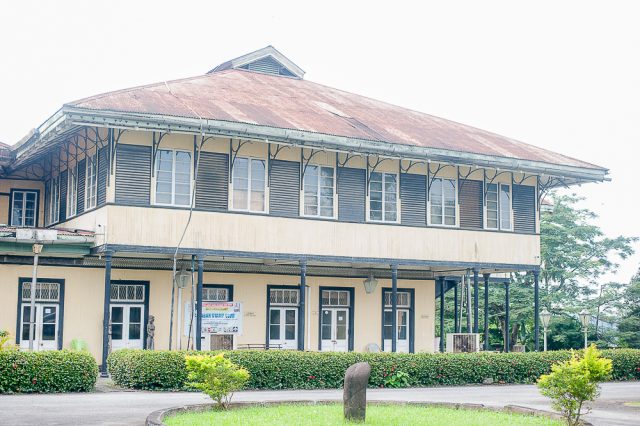
Perched on a hill overlooking Calabar, the Obudu Palace is one of those rare places where Nigeria’s layered history feels almost tangible. Built in the late 19th century for King Obudu II, a ruler whose influence shaped the region, the palace has stood for generations as both a political seat and a cultural landmark. Its thick clay walls and wooden beams carry the weight of time, whispering stories of the Efik people—one of the many ethnic groups that have called this part of the Niger Delta home.
The architecture tells its own story of Calabar’s past as a bustling trade hub. European merchants, missionaries, and colonial administrators left their mark on the city, and the palace reflects that blend of influences. The structure itself is a mix of local building techniques and imported styles—wide verandas designed to catch the breeze, high ceilings to combat the heat, and intricate wooden carvings that adorn the interiors. Inside, the royal chambers still hold traces of daily life: ceremonial objects, personal belongings, and even the small prison where offenders were once held. The details matter here—the way the wood has darkened with age, the patterns etched into the walls, the quiet that settles over the rooms like a living memory.
Calabar itself is a city that wears its history lightly, and the palace is at its heart. In the 19th century, it was a major port in the transatlantic slave trade, a dark chapter that later gave way to British colonial rule and missionary activity. The streets around the palace still echo that past, lined with crumbling colonial buildings, narrow alleys, and markets where vendors sell spices, handwoven fabrics, and crafts. Walking through these neighborhoods, you get a sense of how different worlds collided here—African traditions, European ambitions, and the relentless rhythm of trade.
What makes the Obudu Palace special is that it’s not just a relic. It remains a living part of Efik culture, a place where rituals and ceremonies still take place. Elders gather here for meetings, and during festivals like the annual Calabar Carnival in December, the palace becomes a stage for performances that bring history to life. Dancers in traditional attire reenact scenes from the past, their movements telling stories of war, diplomacy, and daily life under the kings. For a few days each year, the palace is alive with music, color, and the energy of a community reconnecting with its roots.
For travelers, the palace offers something rare: a chance to step into history without the crowds. Unlike more famous landmarks in Nigeria, it hasn’t been polished for mass tourism. The atmosphere is unhurried, almost intimate. You can wander through the royal chambers, listen to guides share stories of the kings who once ruled here, or simply sit on the veranda and take in the view of Calabar below. There’s no rush, no scripted experience—just the quiet presence of the past.
In recent years, there’s been a growing recognition of places like the Obudu Palace, especially as traditional cultures face the pressures of modernization. The palace stands as a reminder of what can be lost—and what can be preserved. It’s not just about the buildings or the artifacts inside; it’s about the stories they carry. The Efik people have a saying that history is not just what happened, but what is remembered. Here, in the heart of Calabar, that memory is still very much alive.
Visiting the palace is also a way to understand how the Efik see themselves. The kings who ruled from this hill were more than just political figures; they were custodians of culture, mediators between the spiritual and the earthly. The rituals performed here, the decisions made within these walls, shaped the identity of a people. Even today, the palace is treated with reverence, a place where the past isn’t just studied but felt.
Calabar itself is changing, like so many cities in Nigeria. New buildings rise, roads expand, and the rhythms of modern life grow louder. But the Obudu Palace remains a quiet anchor, a place where time moves differently. It’s a reminder that history isn’t just something you read about—it’s something you can walk through, touch, and even sit with for a while. For those willing to listen, the palace has plenty to say.