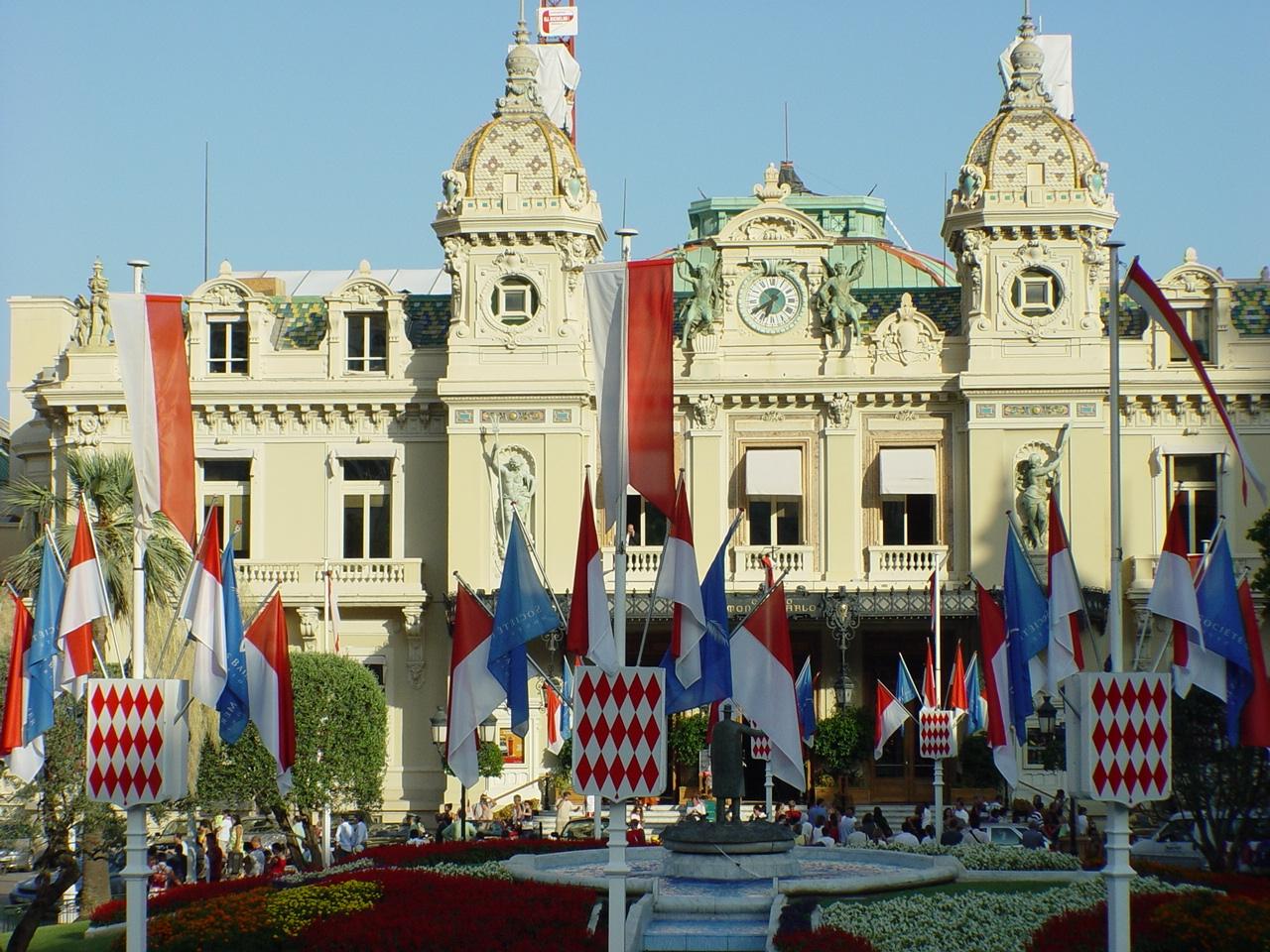
It stands beside the Casino, its marble and gilded façade catching the eye without demanding it. For over a century, the Opéra de Monte-Carlo has been where art and chance meet—not as rivals, but as partners.
In the late 1800s, Prince Charles III wanted Monaco to mean more than gambling. He turned to Charles Garnier, the architect of the Paris Opéra, and asked for a theater that could hold its own against Europe’s finest. Garnier built one: smaller than his Paris masterpiece, but just as refined. The doors opened in 1879.
The stage has hosted Feodor Chaliapin, Enrico Caruso, and Vaslav Nijinsky. Over the decades, performers have come not just for prestige, but because the theater itself seems to lift their work. The list of past artists is long and distinguished.
Inside, marble, gold leaf, and velvet create a space that feels both grand and close. The main auditorium seats around 800, but never feels too large. The sweeping staircases, gilded balconies, and shimmering chandeliers pull you in, making the performance feel like something you’re part of.
For Monaco, the Opéra has always been more than a venue. In the early 20th century, it was where Europe’s elite gathered for charity galas and balls. During the world wars, it stayed open, a quiet act of defiance. Today, it still reflects what Monaco values: not just wealth, but the culture that comes with it.
The programming mixes the familiar and the unexpected. Classic works by Verdi, Puccini, and Tchaikovsky share the stage with rarely performed pieces. The theater experiments with staging and interpretation. But the season’s highlight is often the gala performances—one-night-only appearances by international stars. Tickets sell out months ahead because of the performers, yes, but also because of the way the audience dresses, the way the lights catch the gilding, the way the music lingers.
If you’re lucky, you might get a backstage tour. You’ll see the dressing rooms where legends once prepared, the rehearsal spaces where today’s artists work, and the stage itself, worn smooth by generations of footsteps.
Even from the outside, the Opéra is worth seeing at night. When the lights come on, it glows like a scene from the Belle Époque, its façade hinting at the beauty inside.
Monaco is a place of contrasts—where the new and the old exist side by side, where wealth is both displayed and restrained. The Opéra de Monte-Carlo holds that tension. It’s grand, but not overwhelming; intimate, but not small. Here, art isn’t just performed—it’s part of the place. And even if opera isn’t your thing, the theater offers something rare: a glimpse of what makes Monaco more than a playground for the rich. It shows how, in this tiny principality, beauty and ambition have always been connected.