Manado Oceanarium is one of those rare places where you can experience the underwater world of Indonesia without ever getting wet. Tucked away in North Sulawesi, a region already famous for its coral reefs and marine biodiversity, it offers a quiet but vivid glimpse into the ocean’s depths. Unlike the crowded beaches of Bali or the bustling streets of Jakarta, this part of the country moves at its own pace, and the oceanarium reflects that same unhurried rhythm. Here, hundreds of fish, corals, and other sea creatures exist in carefully recreated habitats, allowing visitors to observe them up close without the need for scuba gear.
The building itself doesn’t resemble the sleek, glass-walled aquariums found in major cities. Instead, it blends into the landscape, its design evoking a natural cave or grotto rather than a modern exhibition space. Inside, the halls are spacious, with large acrylic panels that curve around the tanks, creating the illusion of an endless underwater world. The water shimmers under the light, and the fish move as if they were in the open ocean. The main tank is particularly striking, where sharks, rays, and schools of tropical fish glide past in a slow, mesmerizing dance. It’s easy to forget you’re indoors when the view through the glass feels so vast.
The idea to build an oceanarium in Manado wasn’t just a whim. North Sulawesi has long been a magnet for divers, drawn by its pristine reefs and rich marine life. But not everyone is comfortable or able to dive, and the oceanarium was created as a way to share that underwater beauty with those who prefer to stay on dry land. More than just an attraction, it serves as an educational space, highlighting the fragility of marine ecosystems and the importance of conservation. School groups often visit, learning about coral reefs, the threats they face, and how human activity impacts the ocean. The message is clear: this isn’t just about looking at fish—it’s about understanding their world.
The collection includes species from across Indonesia’s waters, not just those native to Sulawesi. There are clownfish, made famous by animated films but very much a part of these real-life reefs. Giant groupers drift lazily through the water, their massive forms giving them an almost regal presence. Then there are the stranger creatures—seahorses clinging to coral branches, squid darting in quick bursts, octopuses shifting colors as they explore their tanks. The corals themselves are a spectacle, their vibrant hues and intricate structures mimicking a real reef, even though they’re far from the ocean floor. Watching them, it’s hard not to feel a sense of wonder at how such delicate ecosystems function.
The atmosphere inside the oceanarium is calm, almost meditative. Visitors often linger longer than they intended, captivated by the way the fish interact, the play of light on the water, or the subtle shifts in the corals’ colors. There are no loud shows or forced performances here—just the quiet rhythm of marine life unfolding at its own pace. This lack of spectacle might be why the oceanarium appeals to both tourists and locals alike. For those who live in Manado, it’s a place to escape the noise of the city, to sit and watch the water, to remember that there’s a whole other world just beneath the surface.
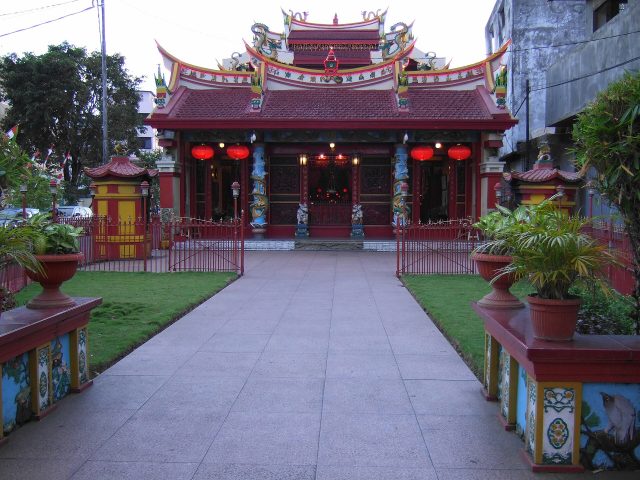
Manado itself is a city of contrasts, nestled between mountains and sea. Its history is shaped by trade, colonial influences, and a mix of cultures that still coexist today. Near the oceanarium, you’ll find remnants of Dutch architecture, bustling markets filled with exotic fruits and spices, and places of worship for different faiths—mosques, churches, and temples standing side by side. In this context, the oceanarium feels like another bridge between worlds: between land and sea, between science and everyday life, between visitors and the people who call this place home.
A visit here can easily be part of a larger exploration of North Sulawesi. Many travelers use it as a starting point before heading to the coast to see real coral reefs or to Bunaken National Park, where the underwater world is even more diverse. But even if you never leave the oceanarium, the experience stays with you. It’s not just about entertainment; it’s about pausing to consider how little we truly know about the ocean, which covers most of our planet. The tanks, no matter how well-designed, can only hint at the vastness of what lies beneath the waves.
Time seems to slow down inside these walls. You might find yourself sitting on a bench for an hour, watching the same fish circle the tank, listening to the gentle sound of water. In those moments, it becomes clear why people travel so far to see this place. It’s not for the photos or to tick another attraction off a list. It’s for the chance to feel connected to something larger—a world that’s vast, mysterious, and beautiful, hidden just below the surface.