Nyali Beach is one of those rare stretches of coastline where the Indian Ocean meets soft white sand in a way that makes time feel like it’s moving just a little slower. Just a short distance from Mombasa, this beach has long been a favorite for both locals and travelers who come not just for the sun and sea, but for the quiet, almost intimate atmosphere that feels more like a home away from home. There’s no crowded resort vibe here, no pushy vendors or over-the-top service—just the unhurried rhythm of waves, the shade of coconut palms, and the kind of space where you can lose track of the hours without even trying.
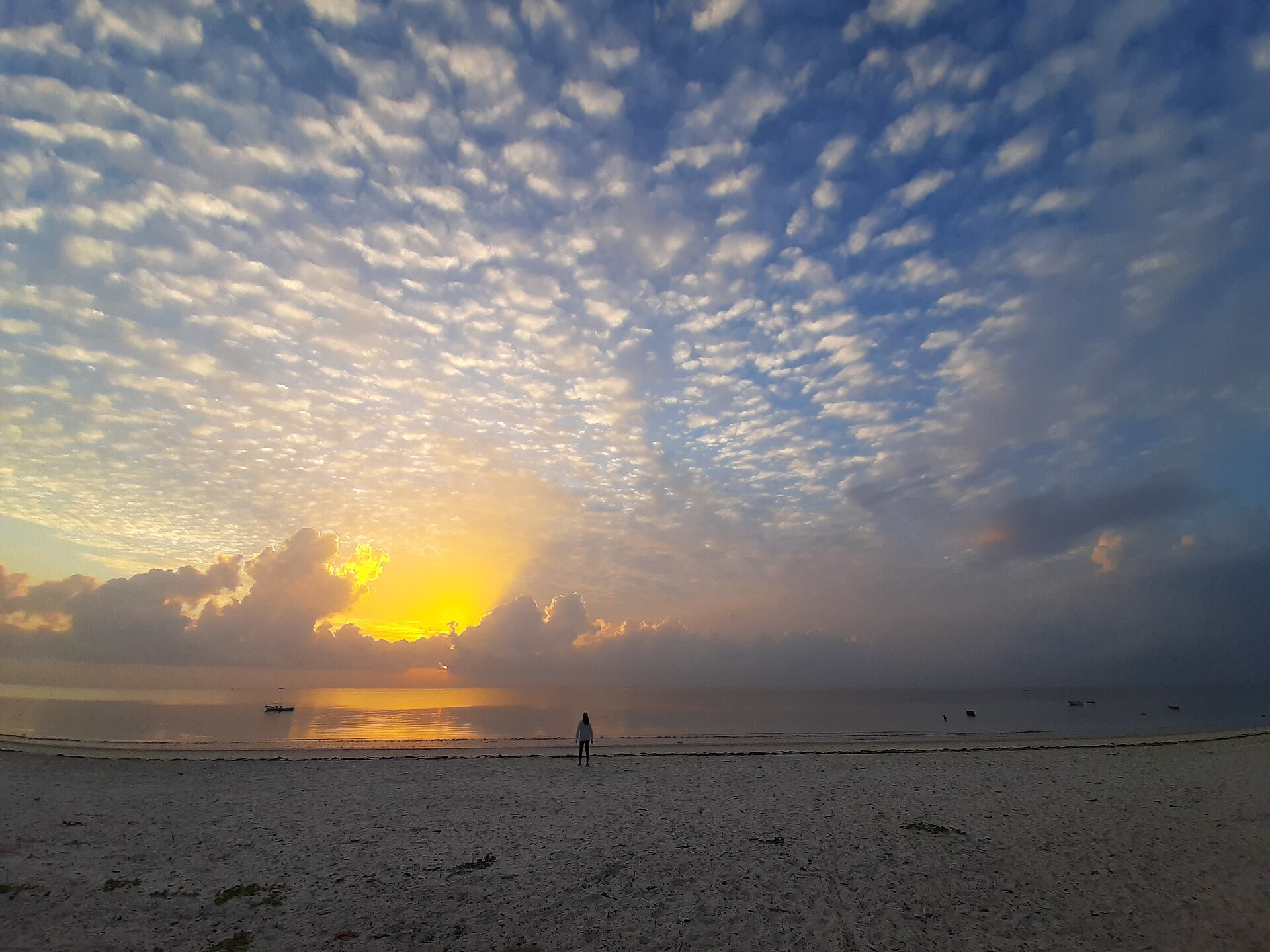
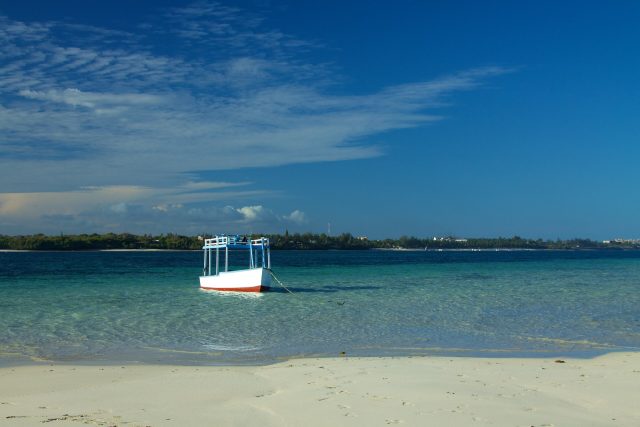
The beach runs for several kilometers, and even in peak season, it rarely feels crowded. The sand is fine and powdery, cool enough to walk on barefoot even in the midday heat. The water is clear, with a faint turquoise tint in the early mornings when the sun hasn’t yet warmed the ocean. At low tide, the sea retreats far enough to reveal sandbanks where you can wander, watching small crabs scuttle across the wet sand or tiny fish dart in the shallow pools. Swimmers usually wait until noon, when the tide returns and the waves soften, making the water safer and more inviting.
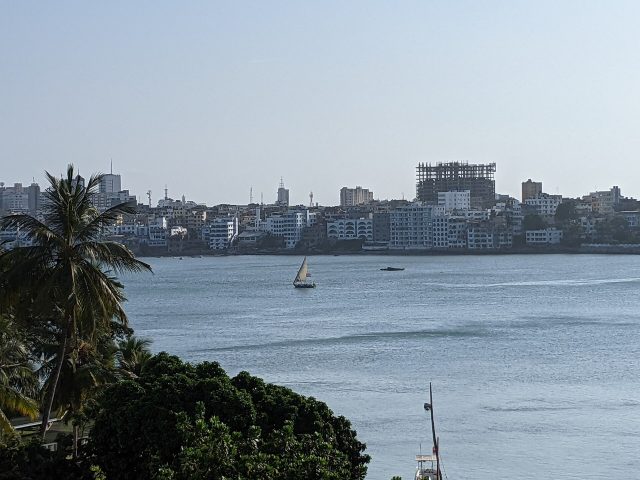
Nyali Beach is deeply tied to the history of the Swahili Coast, a region that has been a crossroads of cultures and trade for centuries. The area around Mombasa still bears traces of Arab traders, Portuguese explorers, and British colonizers, and the beach itself is part of that long, layered past. While it doesn’t hold ancient ruins or grand monuments, the quiet expanse of sand and sea feels like a natural extension of the coast’s history—one where people have always lived in step with the ocean. A short taxi or matatu ride into Mombasa’s old town reveals centuries-old forts, mosques, and museums filled with artifacts that tell the story of life along this coast through the ages.
The architecture along Nyali Beach reflects the same understated charm. Unlike the towering hotel complexes that dominate coastlines in other parts of the world, the buildings here are low and unobtrusive—bungalows, private villas, and small resorts built in a style that blends local materials like wood, stone, and terracotta. Many are nestled in lush gardens where mango trees, papaya, and bougainvillea spill over fences, adding splashes of color to the landscape. Some hotels have open-air terraces right on the sand, where you can eat breakfast to the sound of waves or watch the sunset with a drink in hand.
Life here moves at its own pace, but it’s never dull. Mornings often start with a run along the shore or a yoga session on the sand, while afternoons might be spent strolling the beach or stopping at small seaside cafés for fresh grilled fish. Local fishermen still head out in traditional dhows, and if you’re lucky, you can buy their catch straight from the boat—tuna, octopus, or snapper, still glistening from the sea. Evenings are quiet, with bonfires flickering on the beach and live music drifting from nearby restaurants. The sound is usually acoustic—guitars, drums, and the occasional Swahili melody—creating a relaxed, unhurried atmosphere.
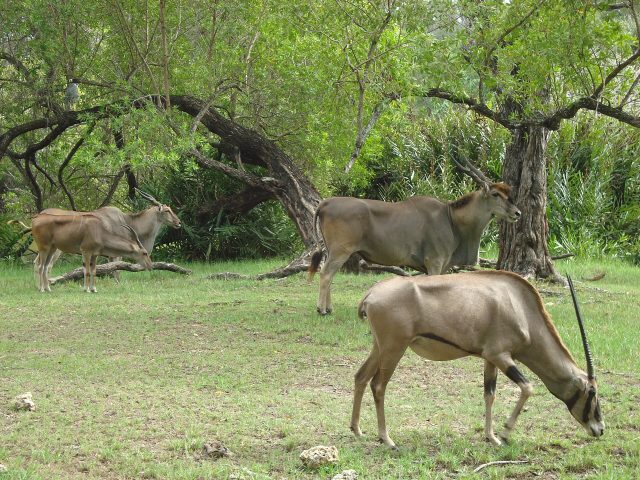
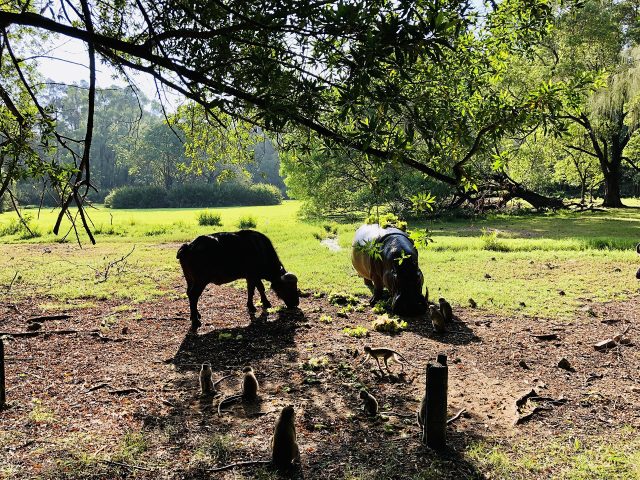
For those who want to explore beyond the beach, there are a few worthwhile options nearby. About half an hour away, the Mombasa Marine National Park offers snorkeling and diving among vibrant coral reefs, where you can spot sea turtles, tropical fish, and even dolphins if you’re lucky. The water is clear, and the underwater world is rich with life. Another option is the Haller Park wildlife sanctuary, where you can see giraffes, hippos, and antelopes in a more natural setting, all without venturing too far from the coast. And if you’re in the mood for city energy, Mombasa is just a short drive away, with its bustling markets, narrow streets, and the kind of cultural mix that comes from centuries of trade and migration.
Nyali Beach isn’t the kind of place where vendors hound you for business or guides try to sell you overpriced tours. Instead, it offers open space where everyone can find their own way to unwind. Some people spend hours in a hammock with a book, others comb the shore for shells, and a few just sit on the sand, listening to the ocean’s endless stories. It’s not a beach for those seeking nightlife or constant entertainment, but for anyone who wants to step away from the noise and simply be.
The climate here is tropical, with two main seasons: dry and rainy. The best time to visit is between June and October or December and March, when the weather is warm and dry, and the ocean is calm. The rest of the year isn’t off-limits, but you might encounter short, sharp rain showers that pass quickly, leaving the air fresh and the sun shining again. The water stays warm year-round, so swimming is always an option, though the waves can be stronger during the rainy season.
Nyali Beach isn’t just a dot on a map—it’s a state of mind. There’s something about the way the light hits the water at dawn, or how the sound of the waves drowns out everything else, that makes it easy to forget the rush of everyday life. It’s not a place that tries to impress with luxury or attractions, but one that offers something simpler: the chance to slow down, breathe, and let the ocean wash away the rest.