In Nyali, just outside Mombasa, a former limestone quarry has become something unexpected. The land was left barren after decades of industrial extraction, its soil depleted, its future uncertain. Then, in the 1970s, Swiss naturalist René Haller began restoring it. What grew here over time was a green sanctuary—now named after him—where wildlife and people share the space.
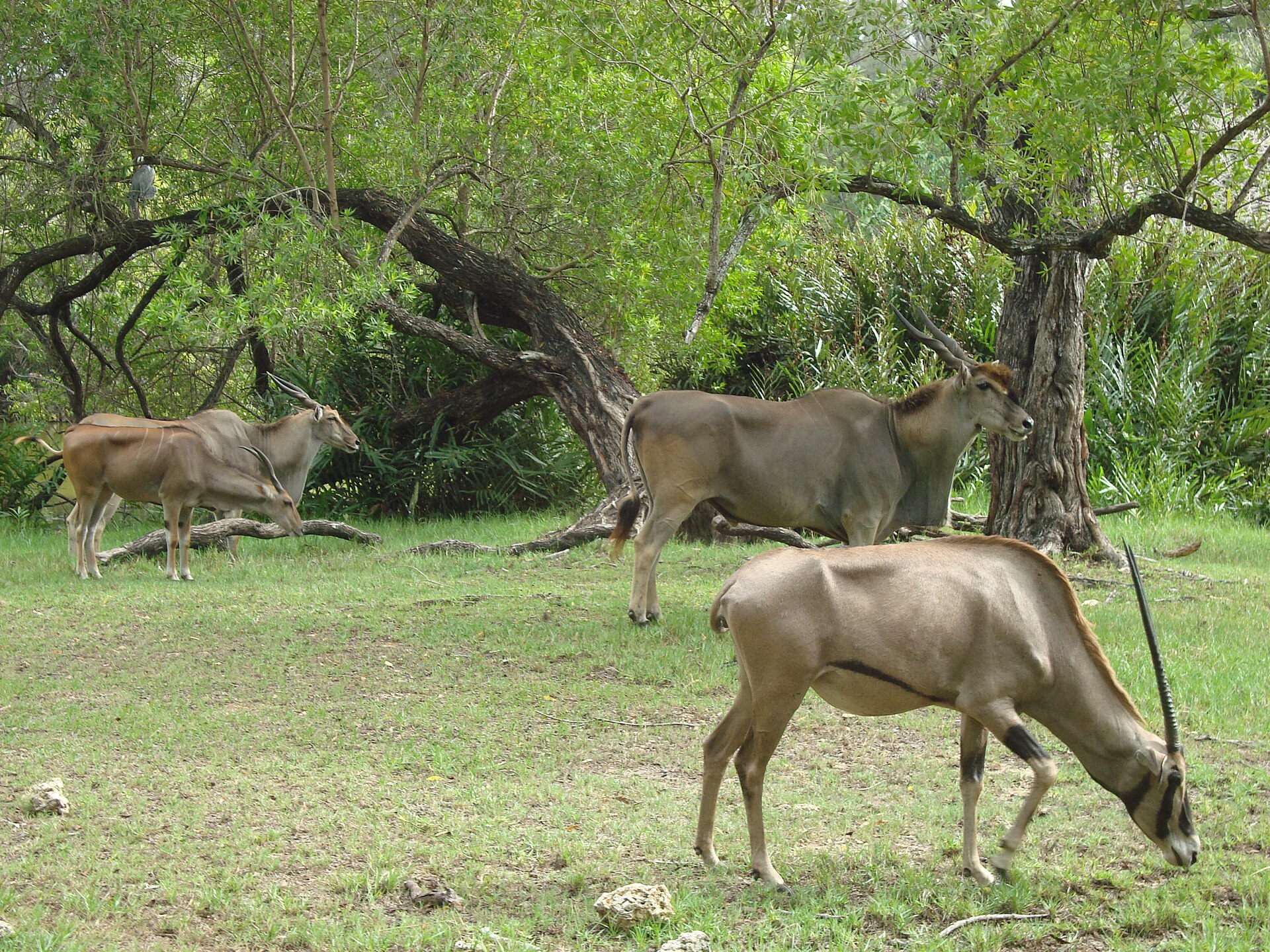
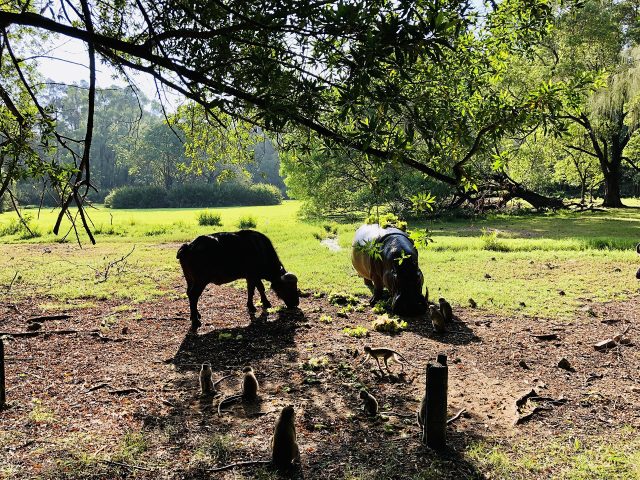
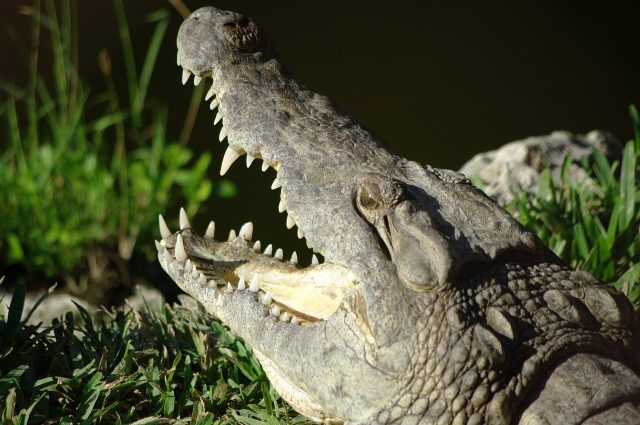
Giraffes graze on acacia leaves in open clearings. Hippos rest in shallow ponds, their bodies half-hidden beneath the water. Antelopes move quickly between trees, while crocodiles sometimes sun themselves along the edges of artificial lakes. Giant tortoises, some decades old, cross paths with visitors at their own slow pace. The animals here, many once at risk, now live in a place that feels untamed, though every tree and pond was carefully planned.
The air smells of damp earth and flowers. Birds call from the reeds. Sunlight filters through bamboo groves, casting shifting patterns on the ground. The old quarry is still visible in places—jagged rock faces softened by vines, deep pits now filled with water. There’s no hurry here. The paths invite you to stop, to watch a butterfly land or listen to the ripple of a fish breaking the surface of a pond.
A butterfly farm lets you stand among hundreds of wings in motion. Nearby, birdwatching platforms overlook ponds where herons and kingfishers hunt. Guided tours explain how this land was brought back to life—not by chance, but through years of planting, testing soil, and learning what the animals needed. The guides point out details most visitors miss: the way certain trees attract specific birds, how the water levels are managed to keep the hippos healthy.
School groups visit often. They learn how damaged land can heal, how even a quarry can become a home for wildlife again. For Mombasa and its surroundings, the park is a living example of what’s possible when people work with nature instead of against it.
Families come to show their children animals in a place that doesn’t feel like a zoo. Couples walk the paths, pausing to watch a tortoise cross in front of them. Picnic spots under the trees offer shade and the sound of insects humming. The park doesn’t try to impress—it just exists, a quiet space where the rest of the world fades for a while.
Unlike Kenya’s larger national parks, Haller Park has no tour buses or crowds. It’s for those who prefer the quiet rustle of leaves to the roar of engines. It’s a place to see nature not as a spectacle, but as something alive and changing. Here, the wild persists, not because it was left alone, but because someone cared enough to help it return.
Stand at the edge of a pond and watch a kingfisher dive. The water ripples where it disappears, then smooths again. The park doesn’t just show you animals—it shows what happens when people refuse to give up on a place. It’s a story that stays with you long after you leave.