Mombasa Marine National Park and Reserve is where the Indian Ocean meets the African coast, creating a world of vibrant underwater life and shifting coastal landscapes. Stretching along the shores near Nyali, a quiet suburb of Mombasa, this protected area encompasses coral reefs, mangrove forests, and shallow lagoons that have shaped both the environment and the way of life here for centuries. The park isn’t just a destination for divers and snorkelers—it’s a place where the ocean’s rhythms still dictate the pace of daily existence, from the way fishermen mend their nets to how the tides carve the shoreline.
Established in 1986, the park was created to safeguard the delicate coral ecosystems and coastal waters from overfishing and pollution. While its reefs may not rival the grandeur of the Maldives or the Red Sea, they hold their own with remarkable biodiversity. Over 250 species of fish dart through the waters, alongside sea turtles, dolphins, and even migrating whales during certain seasons. The coral gardens, particularly around spots like Watamu Reef, are a living mosaic of color and movement, where every dive or snorkel trip feels like stepping into another world.
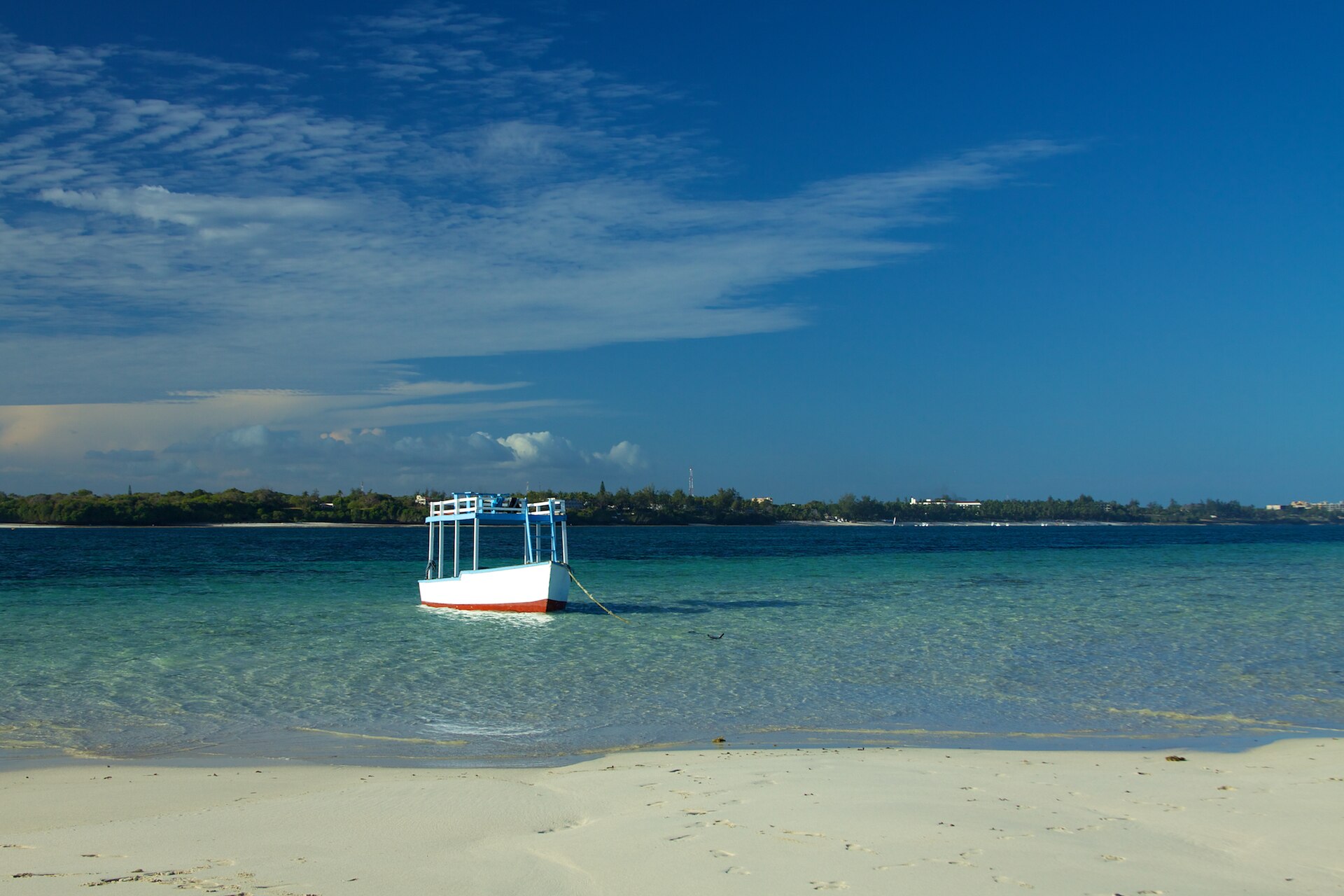
For those who prefer to stay above the surface, the park offers its own quiet magic. The mangrove forests that fringe the coastline are a world unto themselves, where saltwater and freshwater blend to create a haven for birds, crabs, and small marine creatures. Kayaking through these tangled roots or gliding over the water in a glass-bottomed boat reveals a different kind of underwater life—one that thrives in the shallows, sheltered from the open ocean. The mangroves also play a crucial role in protecting the coast, acting as natural barriers against erosion and filtering pollutants before they reach the sea.
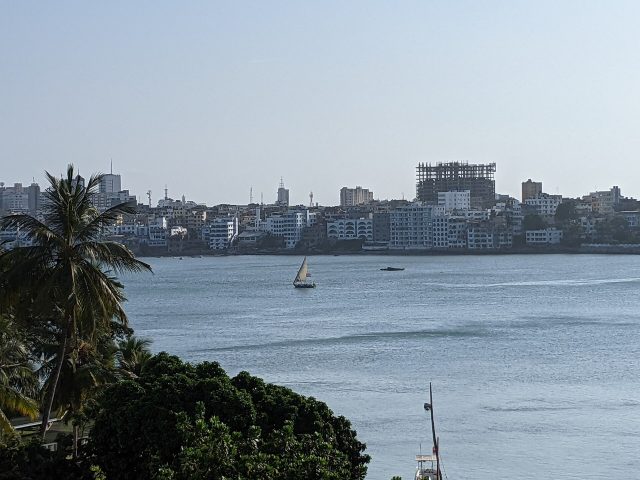
The history of this place is as deep as the waters that surround it. For centuries, the East African coast was a crossroads of trade, where Arab dhows, Portuguese explorers, and Swahili traders navigated these very waters. Mombasa itself was a key port in this network, and the ocean floor around the park still holds traces of that past. Occasionally, fragments of old shipwrecks surface, silent reminders of the bustling maritime routes that once connected Africa to the wider world. These waters have seen empires rise and fall, but the ocean remains, constant and unchanging.
The park’s atmosphere shifts with the seasons. From June to October, the dry season brings calm, crystal-clear waters—ideal for diving and snorkeling. The reefs are at their most vibrant, and the visibility allows for unobstructed views of the underwater world. During the rainy season, from April to May, the mangroves come alive with new growth, and the coast feels wilder, though the ocean can be rougher. Even then, local fishermen still set out in their traditional dhows, wooden boats that have changed little over the centuries. Their presence is a reminder that this place isn’t just a tourist attraction—it’s a living, working coastline where people still depend on the sea.
Despite its popularity, the park retains a sense of solitude. There are no crowded resorts or noisy beachfronts here—just the vast expanse of the ocean, the soft sand, and the endless sky. As the sun sets, the water takes on a golden hue, and the only sounds are the rhythmic crash of waves and the distant calls of seabirds. It’s in these quiet moments that the park reveals its true character, not as a place to be checked off a list, but as a space where time slows down and the natural world takes center stage.
Visiting the park is an opportunity to engage with a fragile ecosystem that demands respect. Efforts to protect the coral reefs and mangroves are ongoing, with local authorities and conservation groups working to ensure their survival. Visitors are encouraged to use reef-safe sunscreen, avoid touching the coral, and leave no trace behind. These small actions help maintain the delicate balance between enjoying the park and preserving it for future generations.
Beyond the underwater wonders, the park offers a chance to understand how deeply the ocean shapes life along this coast. You can spend a day watching fishermen haul in their catch, strolling along empty beaches, or simply sitting by the water with a cup of spiced Swahili tea. The park isn’t just a destination—it’s a place where the relationship between people and the sea is still visible, still alive. Here, the ocean isn’t just a backdrop; it’s a force that has shaped culture, history, and daily life for generations.