Nitra Castle stands on a hill above the city like a quiet guardian of centuries past. Its walls have witnessed the rise and fall of rulers, the turmoil of wars, and the slow, steady rhythm of everyday life in the Nitra Valley. The hill itself has always been a place of strategic importance, where trade routes intersected and the fertile lands below stretched toward the horizon. Today, the castle is one of the most recognizable landmarks in the city, but its story runs deeper than just another tourist attraction.
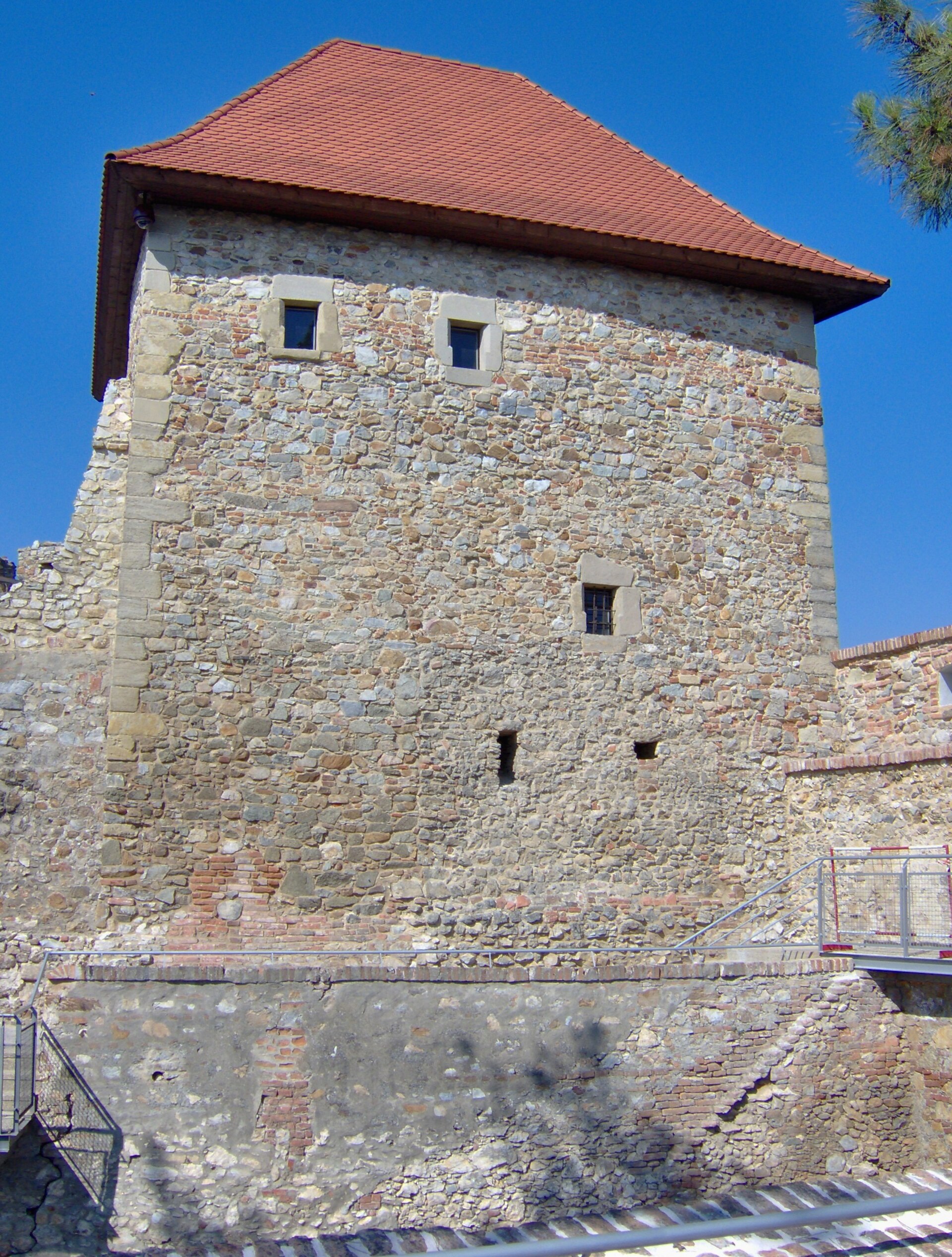
The first fortifications here date back to the 9th century, when Nitra was the heart of Great Moravia. Prince Pribina, who established the first Christian principality in what is now Slovakia, ruled from this very spot. Later, in the Middle Ages, the castle became the residence of the bishops of Nitra, who transformed it into a formidable stronghold capable of withstanding sieges and raids. The stone walls we see today were mostly built between the 13th and 17th centuries, each era leaving its mark. Gothic arches stand beside Renaissance windows, while Baroque details add a touch of grandeur to the structures.
The oldest building in the castle complex is the Basilica of St. Emmeram, constructed in the 11th century. It is one of the oldest churches in Slovakia, and though it has been rebuilt over the centuries, fragments of its original Romanesque architecture remain. Thick walls, narrow windows, and sturdy columns hint at a time when the church served not only as a place of worship but also as part of the castle’s defenses. Next to the basilica stands the Bishop’s Palace, still the residence of the Bishop of Nitra. Its facade is adorned with coats of arms and sculptures, and while the interiors are not open to the public, they retain the atmosphere of medieval elegance.
The castle courtyard is the heart of the complex, where the weight of history feels almost tangible. Here, you can find old wells, remnants of fortress walls, and even a small prison where wrongdoers were once held. In the summer, the courtyard comes alive with concerts and festivals, filling the air with music and voices. The stone walls seem to absorb the energy, as if sharing their stories with the crowd. In winter, the courtyard is quiet, the wind the only sound between the ancient buildings, and time itself seems to pause.
From the castle’s upper terrace, the view over Nitra and its surroundings is breathtaking. On clear days, the green hills and fields stretch far beyond the city, with the faint outline of the Little Carpathians visible in the distance. This panorama has inspired artists and writers for generations, offering a glimpse into what life might have looked like in the Middle Ages, when the castle was both a fortress and a symbol of power. Today, Nitra is a quiet provincial town, but from this height, it feels connected to something much larger—the history of Central Europe itself.
The castle houses a small museum with exhibits that trace the region’s past. Archaeological finds, ancient coins, weapons, and everyday objects from different eras are on display, offering a sense of how life here has changed over the centuries. The most fascinating pieces are those linked to Great Moravia, when Nitra was one of the most important centers in the region. The museum also tells the story of the castle’s resilience—how it withstood Ottoman invasions, uprisings, and wars, remaining an unyielding stronghold through it all.
Visiting Nitra Castle is less about seeing grand monuments and more about experiencing the spirit of the place. There are no crowds here, no rush to take the perfect photo. Instead, there’s a quiet stillness, a sense of stepping into a world that has remained largely unchanged for decades. The castle doesn’t try to impress with opulence or scale; it simply exists, as much a part of the landscape as the hills around it, a silent witness to the people who lived here long before us.
If you find yourself in Nitra, make your way up to the castle in the late afternoon, when the sun begins to set. The stone walls take on a warm glow, and the shadows grow long, creating an atmosphere that feels almost timeless. You can sit on one of the benches in the courtyard and watch the light play across the ancient stones, listening as the city below gradually quiets. In moments like these, it’s easy to understand why this place draws people in—not with loud declarations of its importance, but with the quiet strength of its enduring presence.