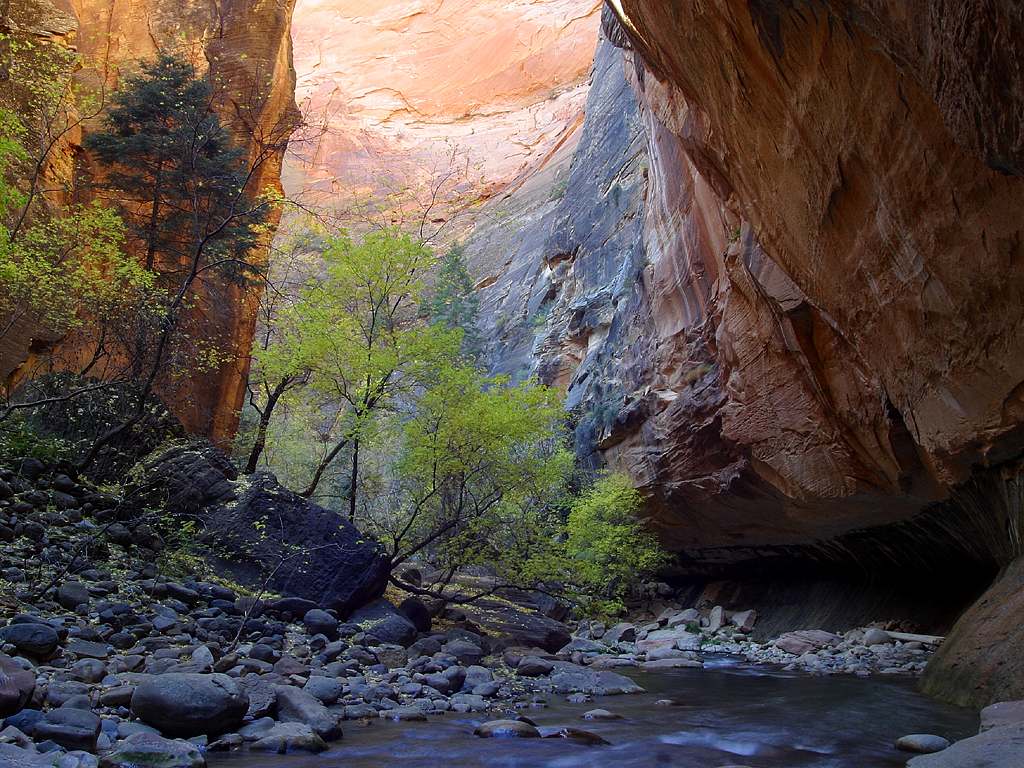
The Narrows is one of those rare places where the land feels untouched, as if time itself has paused to let the rocks and water tell their story. Tucked deep within Zion National Park in southern Utah, this slot canyon is a masterpiece of erosion, where the Virgin River has carved its way through layers of sandstone over millions of years. The name fits perfectly—here, the cliffs press in so tightly that the sky narrows to a sliver above, and the river becomes the only path forward. There are no crowds, no distractions, just the sound of rushing water and the occasional rustle of wind through the juniper bushes. It’s a place where you don’t just visit the landscape; you step inside it.
The history of The Narrows is woven into the broader story of Zion. Long before hikers began wading through its waters, the canyon was sacred to the Southern Paiute people, who called it *Mukuntuweap*—"straight water flowing between rocks." For them, it wasn’t just a geological wonder but a living entity, filled with the presence of ancestors and the quiet power of the earth. European settlers arrived in the late 1800s, but the harsh terrain and isolation kept most away. It wasn’t until Zion was designated a national monument in 1909, and later a national park, that outsiders began to take notice. Even then, reaching The Narrows meant a long journey on foot or horseback, with nights spent under the stars. The canyon has always demanded effort, and that’s part of what makes it special.
Today, The Narrows remains one of the most iconic hikes in the park, but it hasn’t lost its sense of wildness. The trail starts at the Temple of Sinawava, where the Virgin River spills out of the canyon’s mouth into a wider valley. From there, it winds upstream, the walls closing in until the river becomes the only way forward. In some sections, the canyon is barely wide enough to stretch your arms, while the cliffs soar hundreds of feet overhead. The water is clear, with a faint greenish tint, and in the summer, it’s shallow enough to wade through for miles. But the river is unpredictable—after heavy rains or during spring runoff, it can swell into a raging torrent, turning the canyon into a dangerous obstacle. Those who come here must respect its moods.
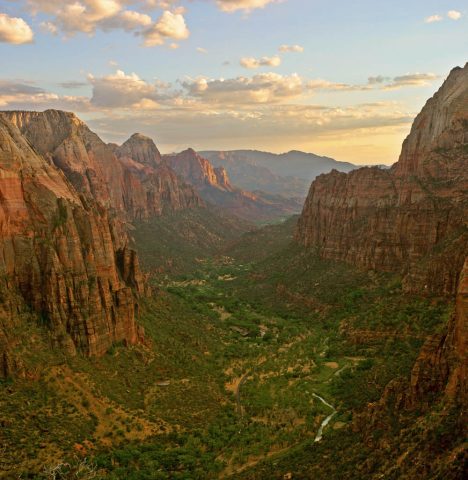
The architecture of The Narrows is written in stone, layer upon layer of geological history. The oldest rocks at the base of the canyon date back nearly 270 million years, formed when this part of Utah was covered by a shallow sea. Above them lie younger strata, each marking a different era—deserts, ancient rivers, volcanic activity. The highest cliffs are made of limestone, remnants of an ocean floor that once stretched across the continent. The colors shift with the light, from soft pinks and golds at dawn to deep reds and purples as the sun sets. The canyon doesn’t just stand still; it changes, revealing new details with every passing hour. There’s no human design here, no grand monuments—just the slow, relentless work of water and time.
Hiking The Narrows is less about following a trail and more about surrendering to the landscape. There are no paved paths or handrails, just the riverbed, slick boulders, and the occasional logjam to navigate. Some sections require wading waist-deep in cold water, while others demand careful footing on slippery rocks. The experience is physical, but it’s also strangely meditative. The rhythm of the water, the way the light filters down between the cliffs, the occasional glimpse of a deer or a raven—it all pulls you into the present moment. There are small waterfalls to rest beside, quiet pools where the cliffs reflect perfectly in the still water, and moments when the canyon feels like a cathedral, vast and silent.
Yet The Narrows isn’t just a place for adventure. It’s also a place for reflection. The sheer walls create a sense of enclosure, as if the outside world has faded away. The sound of the river drowns out everything else, and for a while, it’s easy to forget about schedules, emails, or the noise of daily life. Many people come here not just for the challenge of the hike but for the way it strips things down to essentials—water, rock, sky. There’s a quiet humility in walking through a place that has existed for millions of years, long before humans ever set foot in it. It’s no wonder artists, writers, and dreamers have been drawn here for decades, searching for something that can’t be found in cities or books.
Of course, The Narrows’ popularity comes with challenges. Zion National Park has struggled with overcrowding in recent years, and The Narrows is no exception. During peak season, the trail can feel busy, especially in the morning when most hikers set out. Those who prefer solitude often start at dawn or hike later in the day, when the light is softer and the crowds have thinned. It’s also important to remember that the canyon is a fragile ecosystem. Litter, loud noises, and even the oils from human skin can disrupt the delicate balance. The park asks visitors to tread lightly—no fires, no collecting rocks, and no leaving anything behind. The goal isn’t just to preserve the landscape for future visitors but to respect the place on its own terms.
What makes The Narrows unforgettable isn’t just its beauty but the way it makes you feel. Some leave with a sense of accomplishment, others with a quiet awe, and many with the urge to return. But for most, the canyon leaves something deeper—a reminder that nature isn’t just scenery. It’s alive, powerful, and indifferent to our plans. There are no hotels here, no gift shops, no distractions. Just the river cutting through stone, the wind moving through the canyon, and the sky overhead. In a world that often feels overbuilt and overmanaged, The Narrows offers something rare: a place that hasn’t been tamed. It doesn’t need to be anything other than what it is. And maybe that’s the real magic of it.