Springdale’s art museum is one of those quiet places that doesn’t announce itself with fanfare but lingers in the memory long after you’ve left. Tucked into the heart of a small Utah town where the desert meets the mountains, it feels like a natural part of the landscape—unassuming, yet deeply rooted in the rhythms of local life. Unlike the grand museums of big cities, it doesn’t draw crowds or demand attention. Instead, it offers something rarer: the chance to slow down, to really look at the art on the walls, and to sense how creativity takes shape in a place where the everyday and the extraordinary exist side by side.
The building itself tells a story of adaptation. Originally constructed in the mid-20th century as a community center, it was never meant to be a museum. Over time, though, it became exactly that—a home for art that reflects the tastes, struggles, and passions of the people who live here. The architecture is straightforward, almost modest: low ceilings, large windows that flood the rooms with natural light, and uncluttered galleries where the art isn’t overwhelmed by its surroundings. There are no sweeping staircases or gilded frames, just a sense of warmth, as if you’ve stepped into someone’s living room where every piece has a reason for being there.
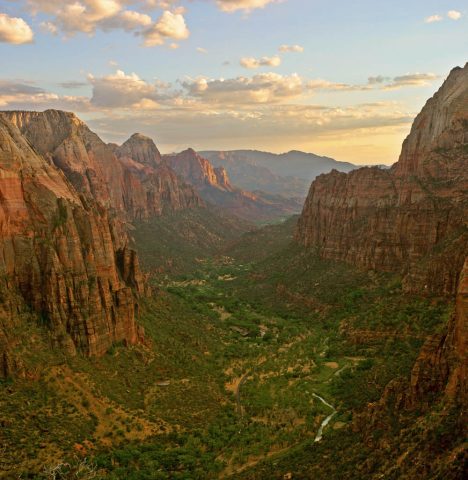
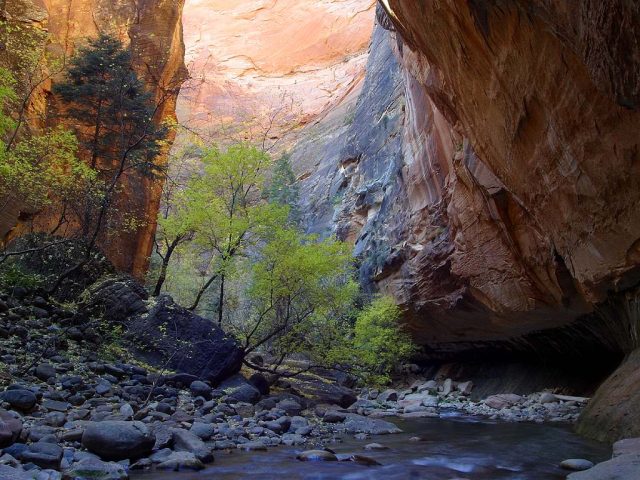
The collection isn’t trying to compete with the Met or the Louvre, and that’s precisely what makes it compelling. Most of the works come from artists in Utah and the surrounding states, many of them inspired by the stark beauty of the region. Red rock canyons, endless desert skies, and jagged mountain peaks aren’t just backdrops in these paintings and sculptures—they’re the heart of the work. The museum holds everything from 19th-century landscapes that capture the romance of the American West to contemporary pieces that play with color and form in unexpected ways. A special place is reserved for local artists, whose work often feels like a love letter to the land they call home.
Beyond the permanent collection, the museum regularly hosts temporary exhibitions that keep the space feeling alive and evolving. These might focus on a single artist’s career, explore themes tied to the region’s history, or showcase experimental work by emerging creators. The exhibitions often spark conversations among visitors, whether through guided tours, artist talks, or hands-on workshops. The museum isn’t just a place to passively observe art; it’s a hub where creativity is actively shared, debated, and celebrated. For locals, these events become a way to connect, to see familiar faces, and to engage with ideas that might not otherwise cross their paths.
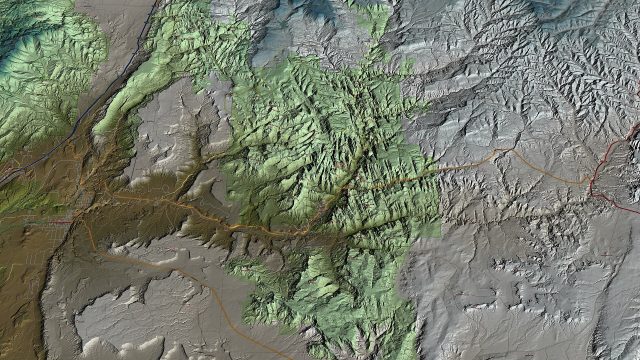
Springdale sits at the gateway to Zion National Park, and many travelers stop here on their way to or from the park’s famous trails. For them, the museum offers a different kind of experience—one that shifts the focus from the grandeur of nature to the ways people interpret and respond to it. Some visitors wander the galleries in silence, lingering over details in a painting or the texture of a sculpture. Others join a tour, where a guide might share stories about the artists or the techniques behind their work. Occasionally, the museum hosts lectures or meet-and-greets with creators, turning the space into a lively forum for discussion. Even if you’re just passing through, it’s a reminder that art isn’t confined to big cities or famous institutions; it thrives in places like this, too.
What makes the museum feel special isn’t just the art on the walls, but the people behind it. Many of the pieces were donated by locals or acquired through community fundraising efforts. There’s a sense of ownership here, a feeling that this place belongs to the town as much as the town belongs to it. The atmosphere is welcoming, even casual—no stiff rules or pretentiousness, just an open invitation to engage. Visitors can do more than look; they can participate. Some volunteer to help set up exhibitions, others attend workshops to try their hand at painting or printmaking. There’s even a small café where people gather for coffee and conversation, turning the museum into a social space as much as a cultural one.
Springdale itself is a small town, but its cultural life runs deeper than you might expect. The museum plays a key role in that, bridging the gap between past and present, between the art world and the everyday. It doesn’t have blockbuster exhibitions or household-name artists, but that’s not the point. What it does have is a sense of authenticity, a way of showing how creativity seeps into the lives of ordinary people. For some, it’s a brief detour on the way to Zion. For others, it’s a place they return to again and again, drawn by the quiet conversations the art seems to invite.
Time moves differently inside the museum. The outside world, with its rush and noise, fades into the background. There’s no need to hurry, no checklist of must-see pieces. You can stand in front of a painting for as long as you like, letting your thoughts wander. Maybe you’ll notice something you missed at first glance—the way a brushstroke captures the light, or how a sculpture’s curves echo the shapes of the mountains outside. The museum doesn’t try to impress or overwhelm. It simply offers a space to pause, to look, and to feel. In an age where everything seems to move too fast, that kind of quiet invitation is increasingly rare.