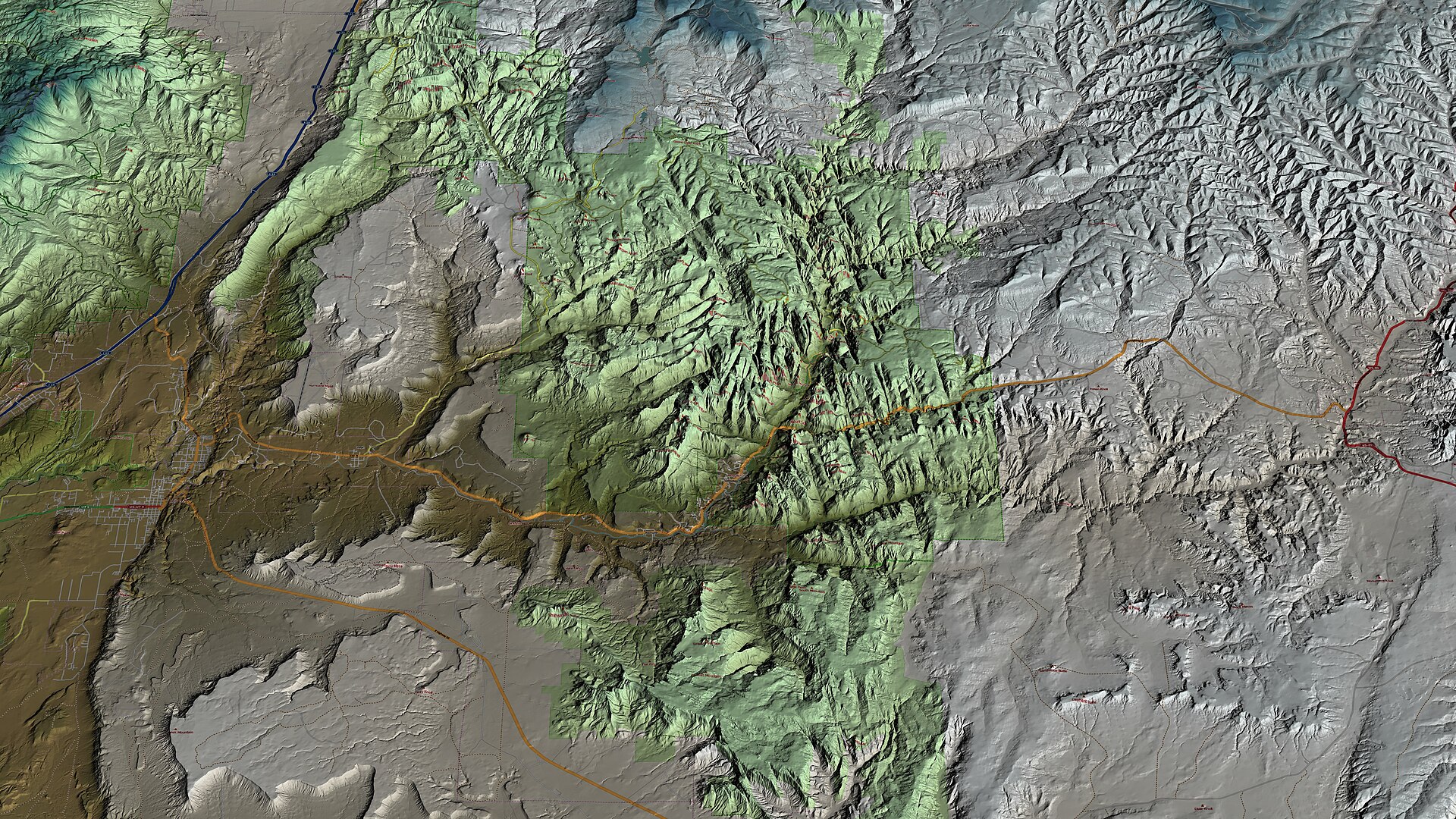
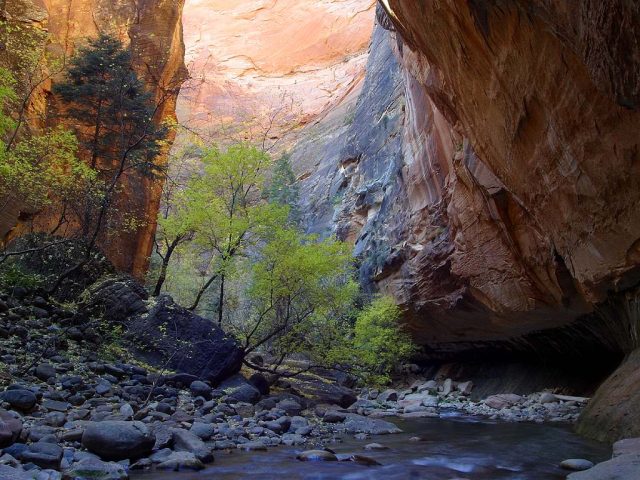
Zion National Park feels like a place where nature set out to prove just how dramatic and varied it could be. Tucked into the southwestern corner of Utah, the park covers over five hundred square kilometers of landscapes that shift from narrow slot canyons with sheer sandstone walls to open plateaus dotted with juniper and pine. Every turn on the trail reveals something new—red cliffs glowing in the late afternoon light, green valleys where streams murmur over smooth stones, or hidden waterfalls tucked into shadowed ravines. Unlike some of the more famous national parks in the U.S., Zion isn’t vast like Yellowstone or as heavily marketed as the Grand Canyon. That’s part of its appeal. There are no crowds at every overlook, just the sense that you’ve stumbled into a place where time moves a little slower, where the land still feels wild and untouched.
Long before it became a national park, this area was home to people who understood its power. For thousands of years, Ancestral Puebloans lived here, followed by the Southern Paiute, who called the valley Mukuntuweap—"straight water." To them, it was a sacred landscape where earth and sky met, where the rocks held the memories of those who came before. European settlers arrived in the mid-1800s, among them Mormon pioneers who renamed the valley Zion, inspired by the biblical promised land. In 1909, the area was designated a national monument, and by 1919, it had become a national park. Since then, Zion has drawn those who seek not just natural beauty but also the quiet that’s so hard to find in the modern world.
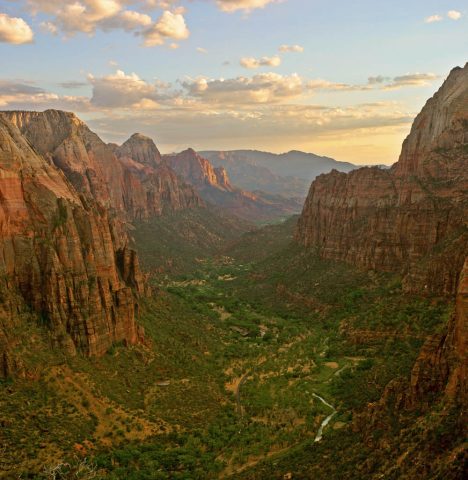
The heart of the park is Zion Canyon, carved over millennia by the Virgin River. Its walls rise up to eight hundred meters, making you feel as if you’re standing at the bottom of a massive stone bowl. The best times to see the canyon are early morning or late afternoon, when the sun casts long shadows and the red sandstone glows in shades of ochre and terracotta. The light shifts constantly, revealing new textures in the rock—layers of sediment, cracks worn smooth by wind and water, patches of desert varnish darkening the stone. The river itself moves lazily through the canyon, sometimes forming small waterfalls or quiet pools where the water is so clear and cold it’s hard to believe it’s summer. Even in the heat, the contrast between the cool green of the valley and the sunbaked cliffs is striking.
Hiking is the best way to experience Zion, and the park offers trails for every level of ability. One of the most famous is Angels Landing, a steep climb that takes about four hours round trip and ends at a narrow ridge with panoramic views of the canyon below. From the top, the Virgin River looks like a silver thread winding through the valley, and the people on the trails below are just tiny specks. For those who prefer something less strenuous, the Riverside Walk follows the riverbank to the entrance of the Narrows, where the canyon walls close in and the water fills the entire space between them. In the summer, the shade of the cottonwoods and the cool air near the water make it feel like an oasis in the desert.
Beyond the canyons, Zion is home to a surprising variety of plants and animals. Desert tortoises, coyotes, and mule deer are common sights, while mountain lions, though rarely seen, still roam the more remote areas. The park changes with the seasons—spring brings wildflowers carpeting the valleys, and fall turns the cottonwoods and maples gold and crimson. Summer can be brutally hot, but it’s also when the cacti and yuccas bloom, and the night sky is so clear it feels like you could reach up and touch the stars. Winter transforms the park into a quiet, almost surreal landscape, with snow dusting the red rocks and the trails nearly empty.
What makes Zion different from many other national parks is the sense of solitude it still offers. There are no sprawling parking lots or crowded visitor centers here. Even in peak season, when the park is busiest, it’s possible to find a quiet corner where the only sounds are the wind in the canyon and the distant rush of the river. Maybe that’s why so many people return year after year—to watch the sun dip behind the cliffs, to see the morning fog drift through the valley, or to stand by the river and feel the weight of the land’s history pressing in around them.
For those who want to stay longer, there are campgrounds inside the park and the small town of Springdale just outside the entrance. Springdale has the feel of an old Western town, with low sandstone buildings, wooden fences, and a handful of shops selling handmade crafts and souvenirs. In the evenings, when the light turns the cliffs pink and purple, the town becomes especially peaceful. You can walk the quiet streets, stop in a bar with live music, or just sit on a bench and watch the lights of the park flicker in the distance.
Zion has a way of staying with you long after you leave. It’s a place that makes you think about how fragile and powerful nature is, how long it took to carve these canyons and shape these cliffs, and how little it takes to feel connected to something bigger than yourself. No two visits are the same—the light changes, the seasons shift, and even the weather can turn a familiar trail into something new. Whether you spend a few hours or a few days here, the park leaves an impression that lingers—the scent of juniper in the air, the sound of the wind through the canyon, the way the silence can suddenly feel so deep you can hear your own heartbeat.