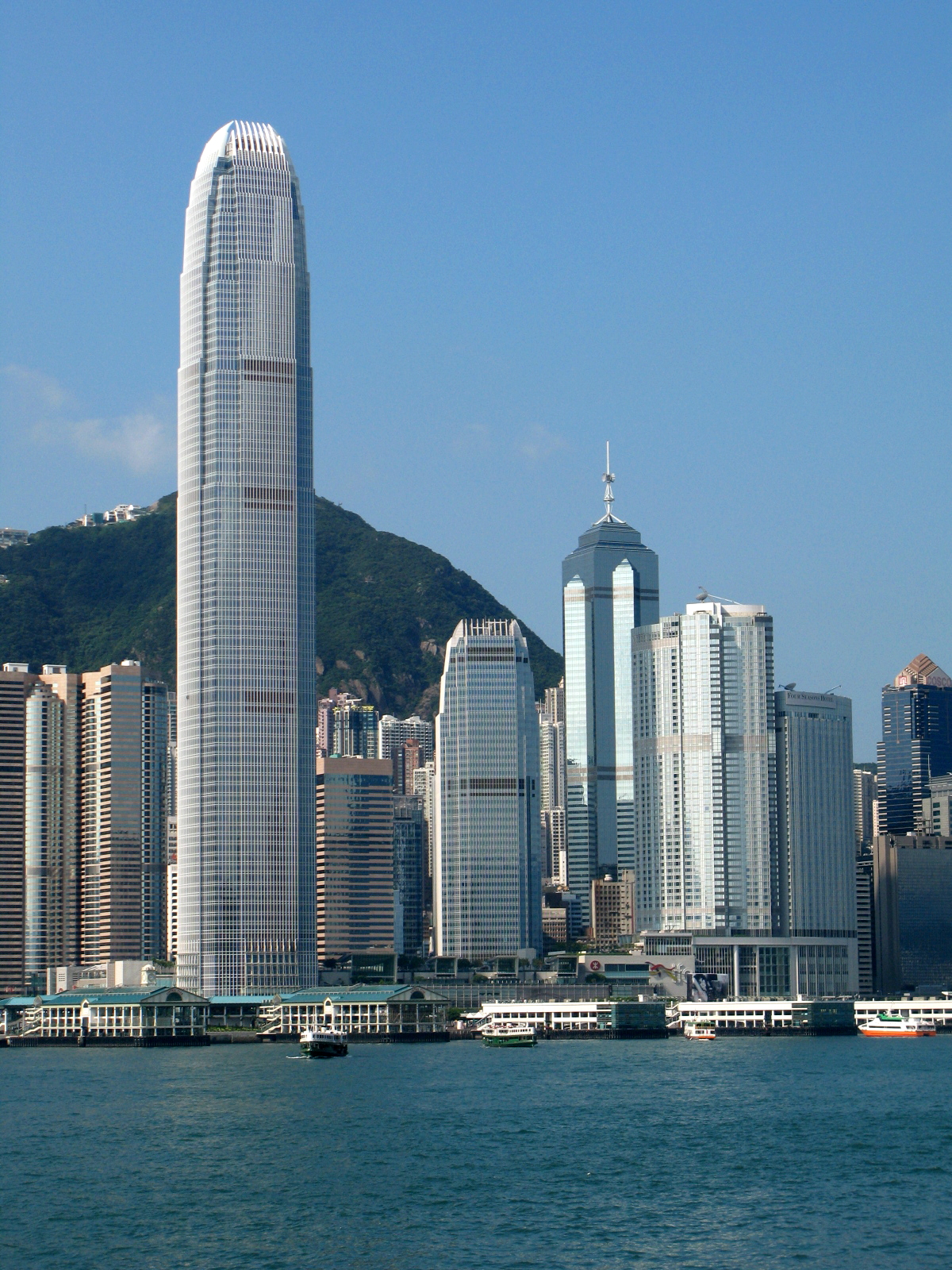
Hong Kong’s International Finance Centre, or IFC, isn’t just the tallest building in the city—it’s a symbol of its relentless energy and ambition. Rising along the edge of Victoria Harbour, the complex stands as a defining feature of the skyline, blending the precision of corporate architecture with spaces meant for everyone. Inside its sleek towers, banks and multinational firms operate alongside a shopping mall, a luxury hotel, and an observation deck that draws both tourists and locals. It’s a place where the city’s financial pulse meets its public life, where deals are made in the morning and evening strolls unfold under the same glass-and-steel canopy.
The idea for IFC took shape in the late 1990s, when Hong Kong had already cemented its reputation as Asia’s financial hub. The project wasn’t just about building another office tower; it was meant to redefine the Central District, giving the area a new focal point. Construction unfolded in stages, with the first tower completed before its taller sibling, followed by the shopping mall that would anchor the complex. Today, the IFC consists of two skyscrapers, a hotel, and a sprawling retail space, but its real achievement lies in how seamlessly these elements coexist. It’s a vertical city within a city, where work, commerce, and leisure intersect without friction.
Architecturally, the IFC is a study in modern efficiency and elegance. The towers were designed with Hong Kong’s climate in mind—glass facades that reflect sunlight while reducing the need for excessive air conditioning. The second tower, at 484 meters, dominates the skyline, its upper floors tapering into the sky. At night, the building’s illumination turns it into a beacon, visible from across the harbor and beyond. The architects didn’t just want to create another office block; they aimed to craft a landmark that would feel like a natural part of the city’s fabric, and in that, they succeeded.
For many, the IFC is synonymous with its shopping mall, a space that feels more like a European arcade than a typical Hong Kong retail hub. The atmosphere is subdued, with wide walkways, soft lighting, and a curated selection of brands—mostly high-end, though there are also accessible options. Cafés and restaurants offer places to pause, and on rainy days, the glass ceilings make the space feel sheltered, as if the city outside has momentarily receded. It’s a rare spot in Hong Kong where the pace slows just enough to let you catch your breath.
The observation deck on the 55th floor of the second tower is one of the IFC’s biggest draws. A high-speed elevator whisks visitors upward in seconds, and the view from the top is nothing short of breathtaking. Victoria Harbour stretches below, its waters alive with ferries and cargo ships, while the dense grid of Hong Kong Island rises in the distance. On clear days, the surrounding islands are visible, and at night, the city transforms into a glittering expanse of lights. It’s a perspective that makes the scale of Hong Kong feel both overwhelming and intimate.
Beyond its role as a commercial and tourist hub, the IFC is a vital part of the city’s economic engine. Its offices house some of the world’s largest financial institutions, consulates, and multinational corporations, making it a nerve center for global business. Yet the complex doesn’t feel like an isolated corporate enclave. Public spaces around the towers connect to the waterfront, and pedestrian pathways weave through the area, linking it to the rest of Central. It’s a place where the rhythms of work and daily life overlap, where a banker’s lunch break might coincide with a tourist’s first glimpse of the harbor.
Over time, the IFC has become more than just a building—it’s woven into the cultural identity of Hong Kong. It appears in films, on postcards, and in countless photographs, serving as a shorthand for the city’s modernity. For locals, it’s a familiar landmark, a point of reference in the urban sprawl. The complex also hosts events and exhibitions, drawing crowds for everything from art installations to seasonal displays. During the holidays, festive decorations at its base turn the area into a gathering spot for families, adding a touch of warmth to the sleek surroundings.
The waterfront around the IFC has evolved into one of Hong Kong’s most popular public spaces. The promenade is a favorite for evening walks, with benches facing the harbor and street performers adding a layer of spontaneity. On warm nights, musicians set up along the path, and the air fills with the hum of conversation and the occasional burst of laughter. An escalator connects the waterfront to the mall, offering a gradual ascent that reveals the city’s contrasts—from the bustling harbor below to the quieter residential neighborhoods above.
What makes the IFC special is how it encapsulates Hong Kong’s contradictions. It’s a monument to global ambition, yet it feels deeply local. It’s a place of high-stakes finance, but also of quiet moments—a spot to grab coffee, watch the sunset, or simply sit and take in the view. For some, it’s just another office building; for others, it’s a destination. But for anyone who spends time there, it becomes clear why Hong Kong never fails to captivate. The city is always moving forward, and the IFC is one of the places where that momentum feels most alive.