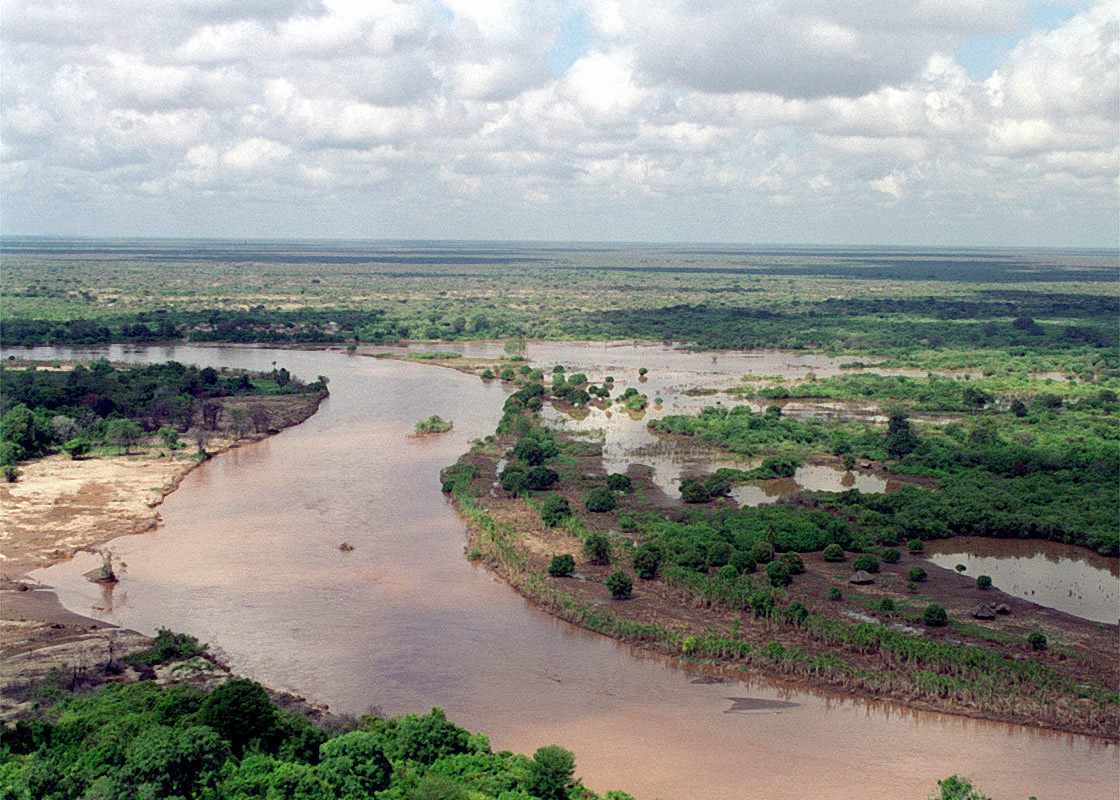
Kora lies in eastern Kenya, far from the crowds of the Maasai Mara or Amboseli. The savanna here stretches to the horizon, broken only by the Tana River and the occasional acacia. This is a place where wildlife moves without schedules, and where your presence feels like an exception, not the norm. The park covers 1,500 square kilometers of dry plains—until the rains arrive. Then the land turns green, the river swells, and animals gather as if drawn by an invisible signal.
George Adamson spent his last years in Kora. The man who raised Elsa the lion and fought poachers made this his final sanctuary. He was killed here in 1989, but the park still feels like his creation. There are no paved roads, no visitor centers, no lines of safari vehicles. Just dusty tracks worn by rangers and the rare traveler, cutting through land that hasn’t changed much in decades.
You won’t find the dense concentrations of wildlife you see in other Kenyan parks. That’s part of the point. Elephants move through the grass, giraffes browse the acacias, and buffalo herds graze in the distance. Lions, leopards, and cheetahs are here too, but they don’t perform for an audience. Birdwatchers will notice the weavers—tiny, bright flashes of yellow—and the marabou storks standing like sentinels. The Tana River draws them all, especially in the dry season when zebras and antelope crowd its banks. Crocodiles lie half-submerged, watching.
The landscape is different here. No mountains, no forests—just the inselbergs. These granite outcrops rise suddenly from the plains, their surfaces carved by time. The Pokomo and Orma people have lived among them for generations. Some still use the caves at their bases for rituals. At sunset, the rocks glow, casting long shadows over the savanna.
Kora doesn’t offer guarantees. One day you might see nothing but dust and sky. The next, elephants could block the road, their trunks reaching for the last leaves of a thorn tree. Most visitors stay in basic tented camps or small lodges on the park’s edge. Nights are loud with the sounds of the bush—the snap of a twig, the distant cough of a lion, the sudden flutter of wings. Mornings start early, with the sun burning off the mist and the call of a fish eagle.
There are no luxury lodges here. No restaurants, no guided tours waiting to hand you a schedule. The road from Nairobi takes ten hours, much of it on rough tracks that leave your clothes coated in red dust. But if you’re willing to trade comfort for something real, Kora delivers. It’s not easy. It’s not always comfortable. But it’s one of the last places in Kenya where nature still sets the rules.
Poaching and illegal grazing threaten the park. Climate change dries the river a little more each year. Conservation efforts exist, but they’re stretched thin. Still, Kora endures. For now, it remains a place where the wild hasn’t been tamed—where the savanna feels endless, and where the only schedule is the one set by the land itself.