Garissa
Kenya · 1 place
Photo: SGT R. A. WARD, USMC, Public domain
Garissa is one of those places that rarely makes it onto the usual tourist trail, and that’s precisely what makes it worth discovering. Tucked away in eastern Kenya, not far from the Somali border, it moves at the unhurried pace of a provincial hub where tradition and modernity exist side by side. There are no crowds here, no polished facades—just the raw, unfiltered rhythm of Kenyan life. Dusty streets hum with activity, markets overflow with spices and ripe fruit, and herds of camels amble along the roads as if they own them. The people, too, are different; they meet strangers with a curiosity that feels genuine, untainted by the weariness of over-touristed destinations.
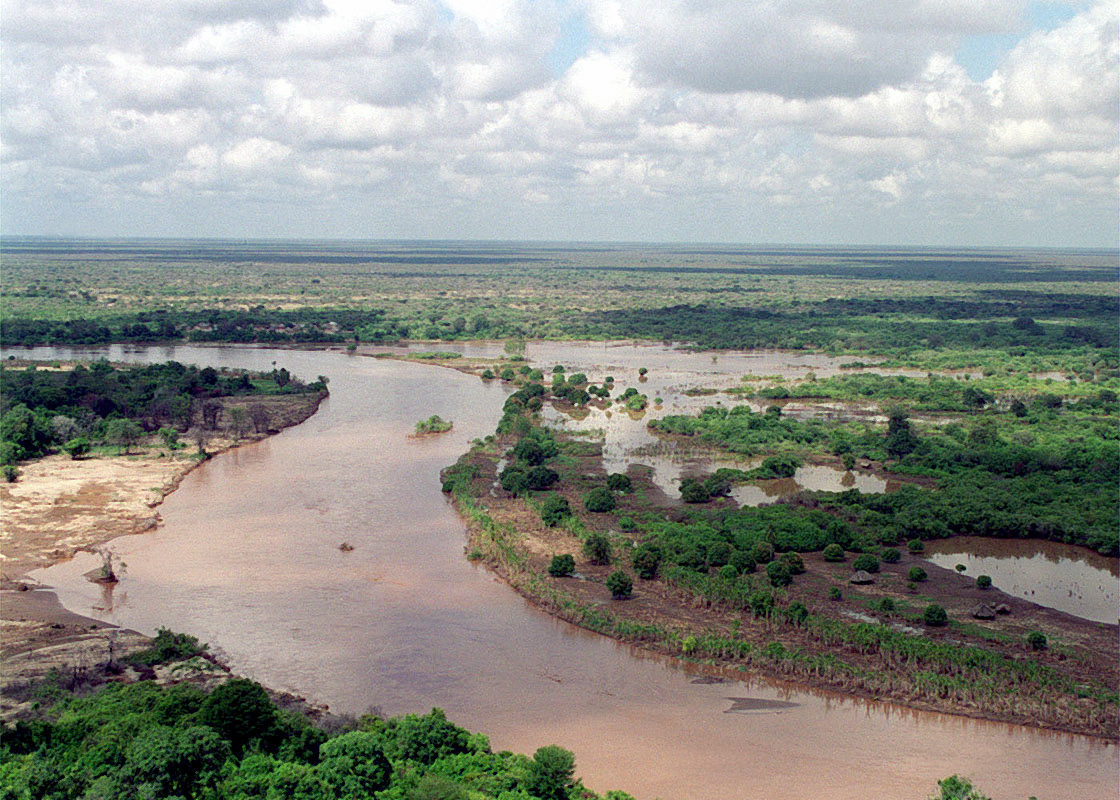
The Tana River, one of Kenya’s largest, cuts through the city and shapes its daily existence. During the rainy season, it swells into a life-giving force, turning the surrounding land into a lush green belt. In the dry months, its waters become even more precious, sustaining the communities that depend on it. Most of Garissa’s residents are ethnic Somalis, many of whom raise livestock or trade goods, relying on the river for fish, irrigation, and drinking water. You’ll see women balancing colorful cloth-wrapped jugs on their heads, men haggling over bundles of herbs or sacks of grain at the market, and children playing along the banks. Even the busiest market days feel unhurried, as if time itself has settled into a slower gear.
For those willing to venture beyond the city, Garissa serves as a gateway to wilder, less-explored corners of Kenya. From here, it’s easy to reach national parks like Arabuko-Sokoke or Boni, where rare birds and animals roam landscapes untouched by mass tourism. The surrounding semi-arid plains stretch endlessly, dotted with antelope and zebra, while hyenas call out under the cover of night. Adventurous travelers can opt for camel safaris or guided walks through the savanna, where every turn reveals something unexpected—whether it’s a hidden watering hole or a baobab tree standing sentinel over the land.
There are no luxury resorts or fine-dining restaurants in Garissa, and that’s part of its charm. The guesthouses are simple but welcoming, and the food is a flavorful blend of Somali and Kenyan traditions. Meals revolve around hearty stews, fragrant rice, and bold spices, while street vendors serve up mandazi—crispy, pillowy doughnuts that are best eaten fresh from the fryer. In the evenings, the streets come alive with the scent of cardamom tea brewing in tiny glasses and the sound of music drifting from open doorways. It’s a place where life unfolds without pretense, where the rhythms of the day are dictated by the sun and the seasons rather than the clock.
Garissa doesn’t try to impress visitors, and that’s why it leaves a lasting impression. There’s no rush here, no pressure to perform for outsiders—just the quiet, steady pulse of a community living as it always has. It’s a city that offers something rare: a chance to see Kenya not as a postcard, but as it truly is. If you’re looking for more than just a place to pass through, if you want to step into a world that moves to its own beat, Garissa is waiting.
See & Do
All of them
Places on the map
Marker colour follows the categoryClimate and weather
Detailed weather: Garissa- Average temperature
- 30 °C
- Precipitation per year
- 324 mm
Average air temperature
°C
30
31
32
31
30
29
28
28
29
30
29
29
Jan
Feb
Mar
Apr
May
Jun
Jul
Aug
Sep
Oct
Nov
Dec