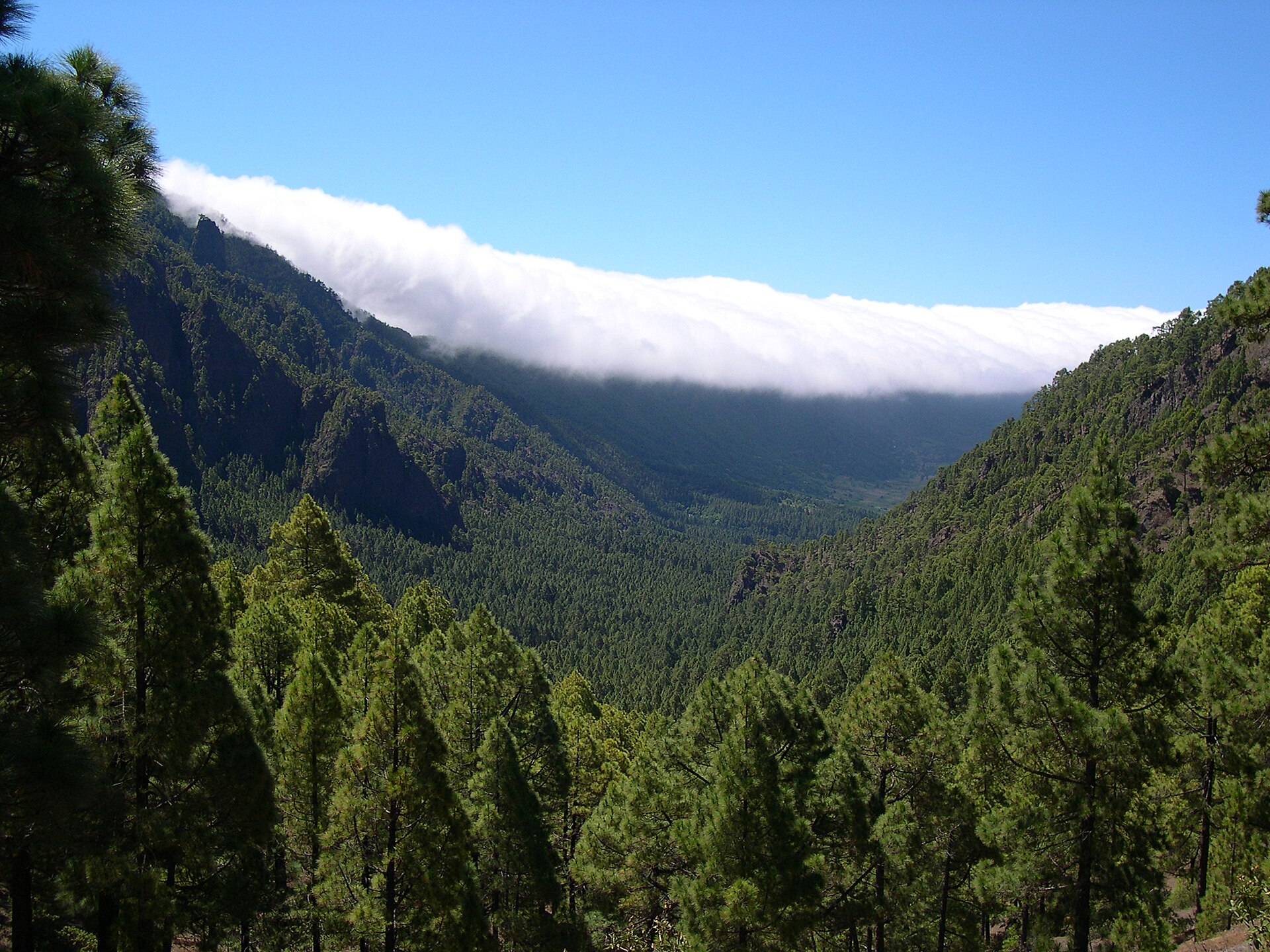
Nestled on the island of La Palma, where the Atlantic Ocean blurs into the horizon, Caldera de Taburiente National Park is one of the Canary Islands' most striking natural wonders. This isn’t just a park—it’s a vast volcanic crater, a geological marvel shaped over millions of years by the collapse of an ancient volcano. The caldera stretches nearly ten kilometers across, its sheer walls rising up to two thousand meters, creating a landscape so dramatic it feels like stepping into another world. There are no crowds here, no tourist chatter, just the wind whispering through the rocks and the occasional call of a Canary Islands finch or the rustle of lizards darting across the stones.
The history of this place runs deep. For the island’s original inhabitants, the Guanches, the caldera was a sacred space, a place where the spirits of their ancestors were said to dwell. They called it Taburiente, meaning something close to "sacred valley," and it held great significance in their culture. The Guanches used it as a refuge during invasions and as grazing land for their livestock, but above all, it was a site for rituals. Archaeologists still uncover traces of their presence—rock carvings, stone dwellings, and tools—hinting at a way of life long gone. When Spanish conquerors arrived in the 15th century, they recognized the caldera’s strategic value as a natural fortress, though its harsh terrain and remoteness made it difficult to settle. Even the most determined colonists struggled to tame this wild, untamed land.
Today, Caldera de Taburiente is a haven for those who crave untouched nature and long hikes. The park covers nearly forty-seven square kilometers, much of it blanketed in dense Canary pine forests that stand in stark contrast to the black volcanic rock. These aren’t ordinary pines—they’re a unique species, with long needles and a resinous scent that fills the air after rain. They cling to even the steepest slopes, their roots gripping the cracks in the stone. The underbrush is a mix of shrubs and ferns, with pockets of laurel trees that hint at the island’s ancient forests. The park is home to countless endemic species, some found nowhere else on Earth, making it a living museum of evolution.
The caldera itself is the park’s centerpiece. While you can catch glimpses of it from several viewpoints, the best way to appreciate its scale is on foot. The most popular trail starts at the park entrance and leads to La Cumbrecita, a lookout point offering a sweeping view of the entire crater. The hike takes about two hours each way, but the reward is worth every step. Along the way, you’ll pass small streams, waterfalls, and even tiny pools nestled in the rocks. On clear days, the view extends all the way to Tenerife and the snow-capped peak of Mount Teide. For those who prefer a gentler walk, shorter routes lead to spots like the Colorado Waterfall or the Marcos y Cordero springs, where the Guanches once drew water for their ceremonies.
The weather in Caldera de Taburiente is unpredictable. Mornings can be sunny and warm, only for fog to roll in within hours, obscuring the mountaintops. Rain is rare but can turn the trails slippery and treacherous when it does arrive. The best times to visit are spring and autumn, when temperatures are mild and the landscape is at its most vibrant. Summer can be too hot for long hikes, while winter occasionally brings snow to the peaks, though it melts quickly in the lower elevations. No matter when you go, it’s wise to pack warm layers—even in summer, the evenings in the mountains can be chilly.
There’s no grand architecture here, but the landscape itself tells a story. Scattered throughout the park are remnants of human history woven into the terrain—old stone walls that once marked grazing boundaries, the ruins of terraces where the Guanches grew crops, and caves carved into the rock that served as homes for the island’s earliest inhabitants. Later, the Spanish used these caves for storage or shelter, and though they now stand empty, they still carry a sense of the past. These quiet, unassuming traces are more compelling than any man-made structure, offering a glimpse into lives lived in harmony with this rugged land.
Caldera de Taburiente has a way of slowing time. There’s no rush here, no need to hurry. You could spend hours sitting on a rock, watching clouds drift over the crater or listening to the steady murmur of a stream that never runs dry. Locals speak of an energy that lingers in the caldera, and perhaps there’s some truth to it. Many visitors find themselves drawn back, as if pulled by something deeper than scenery. Maybe it’s the raw beauty of the place, or maybe it’s the echoes of those who walked these paths centuries ago, leaving behind little more than stones and legends.
For those who want to linger, the park offers basic campsites and mountain huts where you can spend the night. They’re simple, with few amenities, but waking up surrounded by pines and peaks as the sunrise gilds the ridges is an experience in itself. Most people, though, visit for the day—hiking the trails, taking photos, and leaving with the sense that they’ve witnessed something rare. Caldera de Taburiente isn’t just a national park; it’s a place where nature and history merge, creating an atmosphere that stays with you long after you’ve left.