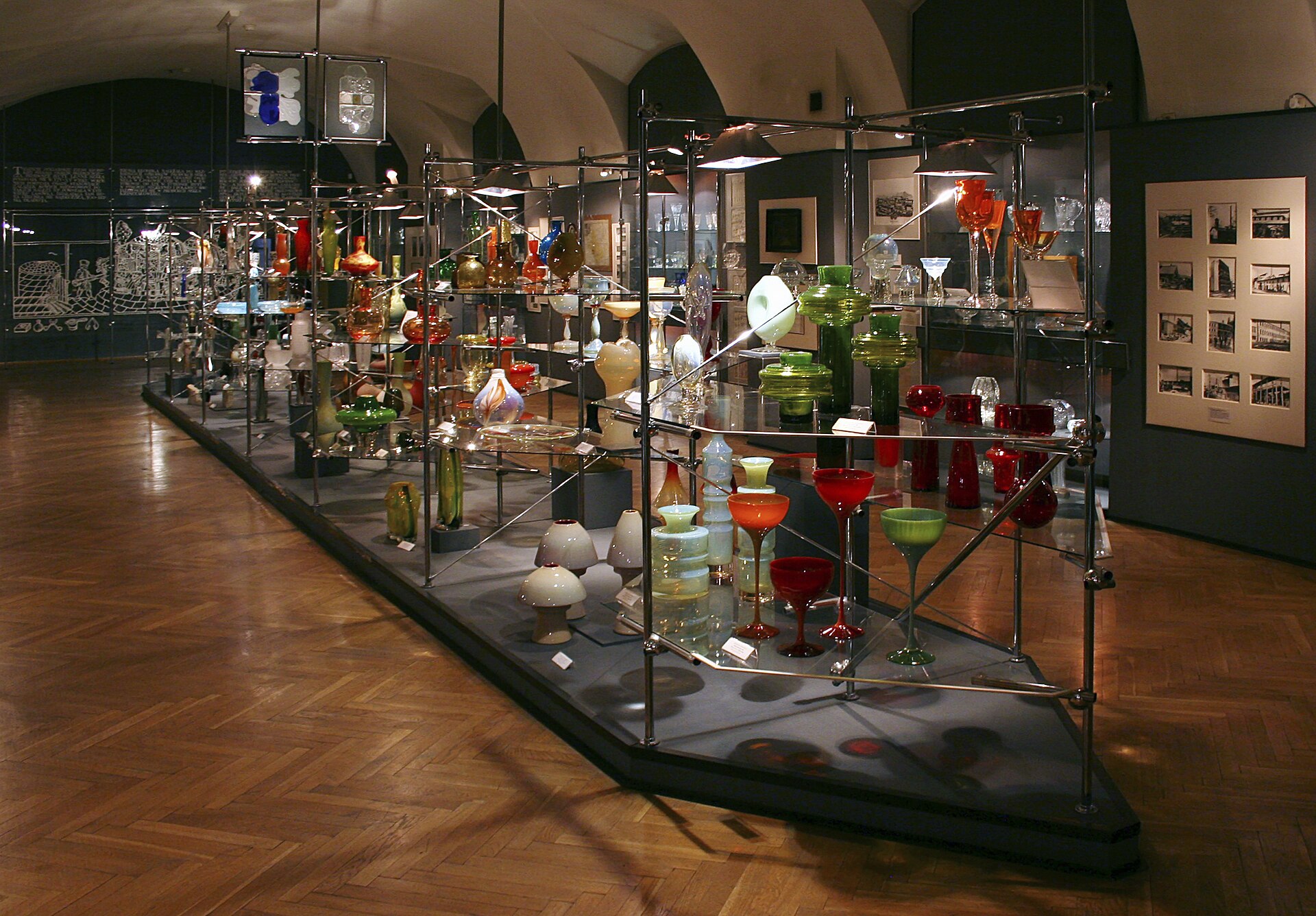
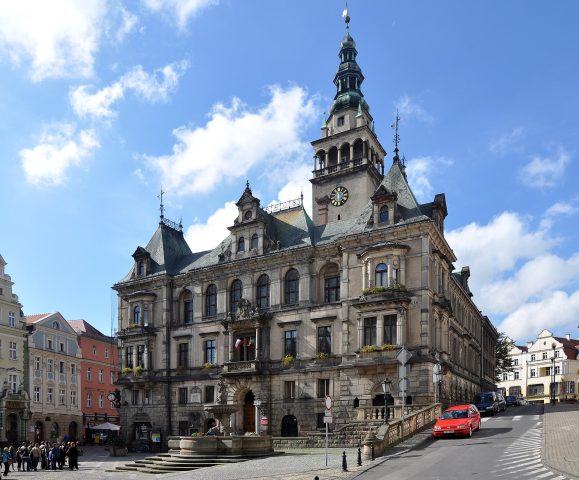
The Museum of the Kłodzko Land offers more than just a walk through history—it’s an invitation to step into the lives of the people who shaped this corner of Poland. Housed in a building that has witnessed centuries of change, the museum feels less like a formal institution and more like a quiet conversation with the past. The exhibits don’t just display artifacts; they weave together the stories of merchants, craftsmen, soldiers, and ordinary families who called Kłodzko home. There’s no grand spectacle here, just the quiet weight of authenticity, as if each object still carries the echoes of the hands that once held it.
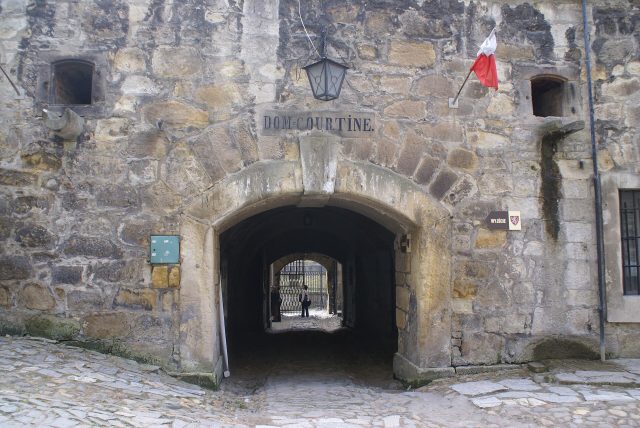
The building itself is a piece of history. It stands where a monastery once did, later serving as an administrative hub for the town. The thick walls, arched ceilings, and old window frames hint at Kłodzko’s long-standing importance as a crossroads between Czech, German, and Polish lands. The city changed hands many times over the centuries, and each era left its mark. The museum preserves these layers, showing how wars, trade, and cultural shifts shaped the region. It’s a place where you can almost hear the footsteps of those who walked these halls before—bureaucrats, monks, and townspeople going about their daily lives.
The exhibits begin with the earliest days of the region, long before Kłodzko was even a name on a map. Archaeological finds—clay pots, tools, and jewelry—paint a picture of the Lusatian people who lived here thousands of years ago. These objects tell a story of survival, of communities adapting to the land and the seasons. As you move through the museum, the focus shifts to the Middle Ages, when Kłodzko was founded as a fortress. Models of fortifications, weapons, and documents reveal a town built for defense, its fate tied to the conflicts and alliances of the time. The castle that once loomed over the city was more than just a stronghold; it was a symbol of power, contested and rebuilt again and again.
One of the most compelling sections of the museum explores Kłodzko’s role as a center of craftsmanship and trade. In the Middle Ages, the town was known for its skilled artisans—blacksmiths, potters, weavers—whose goods traveled across Central Europe. The museum displays the tools of their trades, samples of their work, and records of the guilds that organized their labor. There’s a particular focus on brewing, a tradition that thrived here for centuries. The exhibits include old brewing equipment and documents that trace the rise and fall of Kłodzko’s beer industry, a reminder of how deeply local economies were tied to the rhythms of production and trade.
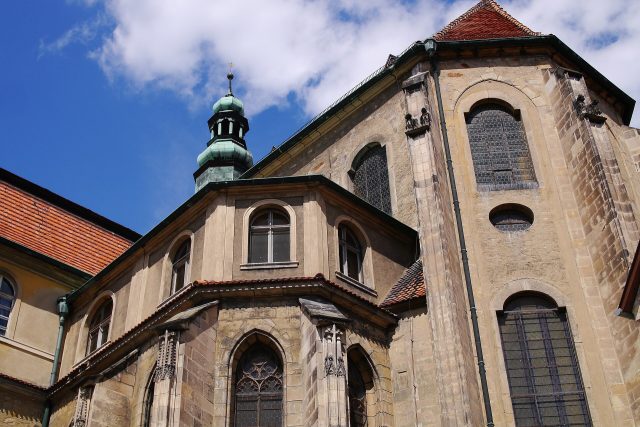
Religion has always been a defining force in Kłodzko, and the museum dedicates space to the spiritual life of the region. Over the centuries, the town became a meeting point for Catholic and Protestant influences, and in the 19th century, one of Silesia’s earliest Jewish communities took root here. The exhibits show how faith shaped the city’s architecture, from the grand churches that still dominate the skyline to the synagogues that once stood in its streets. Old prayer books, ritual objects, and photographs of congregations offer a glimpse into the daily practices of worship. It’s a reminder of how deeply religion was woven into the fabric of life, influencing everything from family traditions to the layout of the town itself.
The 20th century brought some of the most dramatic changes to Kłodzko, and the museum doesn’t shy away from this turbulent period. The exhibits cover the two world wars, the shifting borders, and the struggles of a city caught between empires. Photographs, personal letters, and everyday objects tell the stories of those who lived through occupation, displacement, and rebuilding. There’s a rawness to this part of the museum, a sense of lives upended and communities fractured. Yet there’s also resilience—documents and artifacts from the post-war years show how the city slowly pieced itself back together, forging a new identity in the process.
What makes the Museum of the Kłodzko Land special is its focus on people, not just events. The exhibits are filled with personal stories—letters, diaries, and photographs that make history feel immediate. Temporary exhibitions, lectures, and workshops add another layer, often featuring descendants of Kłodzko’s past residents or scholars studying the region’s history. These events create a sense of connection, as if the past isn’t just something to observe but something to engage with. The museum doesn’t just preserve history; it invites visitors to see themselves as part of it.
Walking through the museum, you begin to understand Kłodzko not as a place defined by its borders or its rulers, but as a community shaped by the people who lived there. The exhibits don’t offer a polished narrative or a heroic version of the past. Instead, they present history as it was—messy, complicated, and deeply human. There are no easy answers here, just the quiet accumulation of lives lived, choices made, and challenges overcome. In that way, the museum does more than inform; it makes you think, not just about Kłodzko, but about how history is made in every town, in every generation.