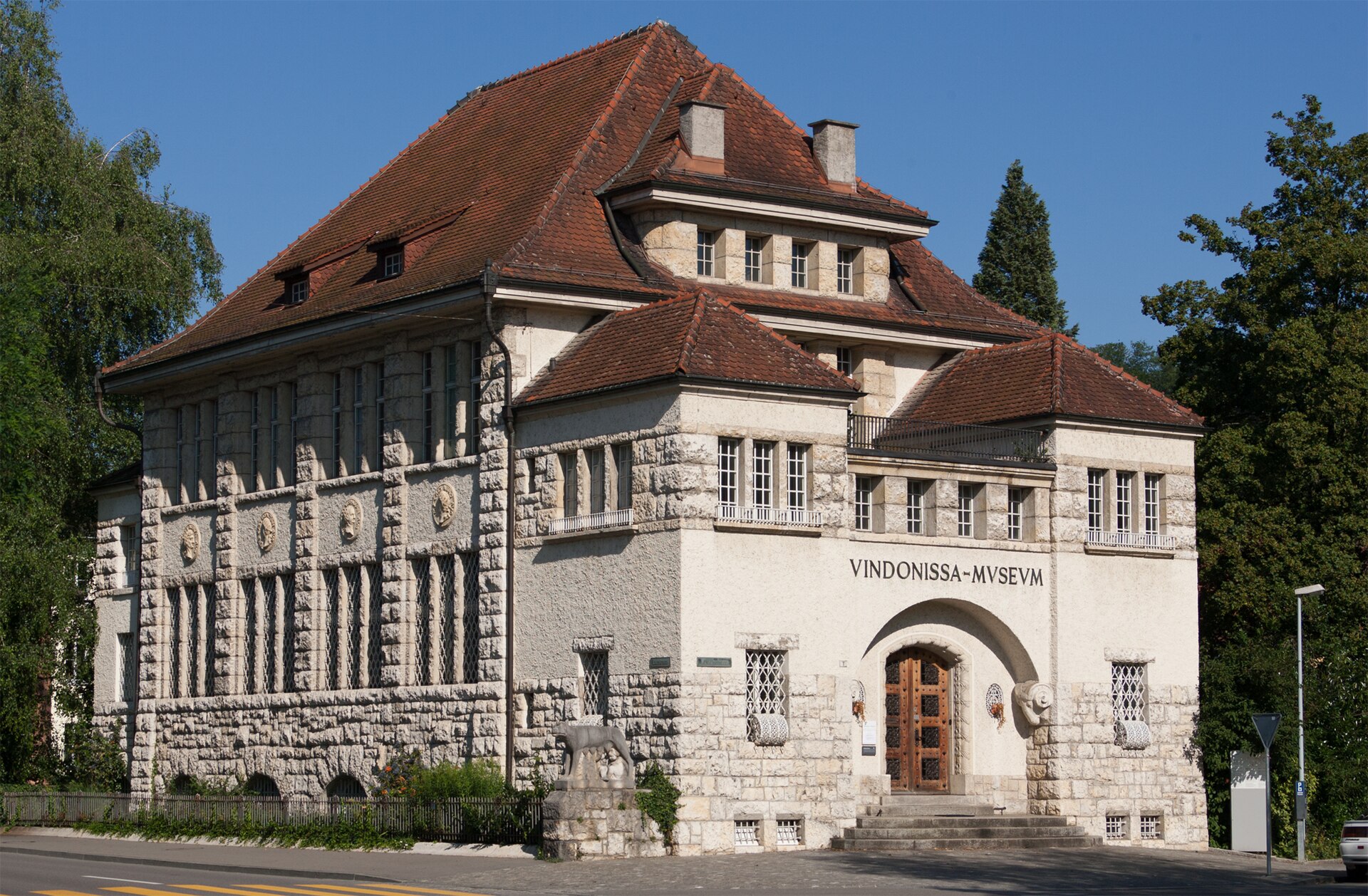
The Vinthaler Museum in Brugg is one of those quiet places where the past feels tangible, not because it’s been polished for tourists, but because it’s been left largely as it was. Housed in a 19th-century industrial building, the museum doesn’t rely on flashy displays or dramatic storytelling. Instead, it lets the objects speak for themselves—tools, machines, and everyday items that once played a role in Switzerland’s early industrial rise. There’s something unassuming yet compelling about walking through rooms where the floorboards creak underfoot and the walls bear the faint marks of decades of labor. It’s not a grand narrative of progress, but a grounded one, told through the things people used and the spaces they inhabited.
The core of the museum’s collection revolves around the production of screws, nuts, and other metal components, an industry that might seem mundane until you consider its significance. In the 19th century, Switzerland’s small workshops and factories were part of a global shift, supplying precision parts to markets far beyond the country’s borders. The exhibits trace this evolution, from hand-forged tools to early semi-automatic machines, showing how craftsmanship and mechanical innovation intersected. What stands out isn’t just the technical skill on display, but the sheer patience required to produce something as simple as a screw—something we now take for granted. The machines, some still in working order, hint at the rhythm of factory life: the repetitive motions, the focus, the quiet pride in work well done.
The building itself is as much a part of the story as the objects inside. Constructed in the mid-1800s as part of a larger industrial complex, it was designed with practicality in mind—high ceilings to accommodate machinery, large windows to let in natural light, and sturdy wooden beams to support the weight of production. Walking through the rooms, you can almost hear the hum of the machines and the voices of the workers who spent their days here. Some details have been left intentionally untouched: the worn patches on the floor where equipment once stood, the faint pencil marks on the walls, the occasional scribbled note left behind. These aren’t staged relics; they’re the kind of traces that accumulate over time, giving the place a sense of authenticity that no curated exhibit could replicate.
Beyond the machinery, the museum offers a glimpse into the lives of the people who worked here. Photographs, documents, and personal items paint a picture of daily existence in a factory town. There are ledgers recording wages, tools crafted by workers in their spare time, and even the occasional handwritten note. These small artifacts reveal a world where work wasn’t just a job, but a way of life—one that demanded skill, endurance, and a certain camaraderie. The exhibits don’t romanticize the past; they show the long hours, the cramped conditions, and the economic pressures that shaped people’s lives. Yet there’s also a sense of community, of shared purpose, that comes through in the way the stories are told.
At the heart of the museum is the story of the Vinthaler family, whose name became synonymous with quality in Swiss manufacturing. The exhibits trace their journey from a modest workshop to a major regional enterprise, one that weathered economic crises, wars, and shifting markets. It’s a story of adaptation and resilience, but also of eventual decline—a reminder that even the most successful industries can fade with time. The museum doesn’t shy away from these complexities; it presents the rise and fall of the Vinthaler factory as part of a larger narrative about how industry shapes communities and how those communities, in turn, shape industry.
What makes the Vinthaler Museum unusual is its refusal to oversimplify. It doesn’t present Switzerland’s industrial past as a straightforward tale of progress, nor does it dwell solely on nostalgia. Instead, it offers a nuanced look at how manufacturing once functioned as the backbone of local economies, providing jobs, identity, and a sense of place. In an era where automation and globalization have transformed the way we think about work, the museum serves as a quiet corrective—a reminder that behind every mass-produced item, there was once a person who made it, often by hand. The exhibits don’t just show how things were made; they show what it meant to make them.
Brugg itself is a town that wears its history lightly. Nestled in a region that was once a hub of Swiss industry, it’s now a quiet place where the past lingers in the architecture and the occasional factory building repurposed for new uses. The Vinthaler Museum fits seamlessly into this landscape, not as a relic of a bygone era, but as a living connection to it. Visiting feels less like stepping into a time capsule and more like wandering through a space that has simply continued to exist, even as the world around it changed. There’s no grand finale, no dramatic reveal—just the quiet satisfaction of having spent time in a place where history isn’t performed, but preserved.
For those who appreciate industrial history, the museum is a treasure trove of details, from the evolution of screw-making techniques to the social dynamics of factory life. But even casual visitors will find something to hold their attention. The absence of spectacle is part of the appeal; there’s no pressure to be dazzled, only an invitation to look closely, to notice the small things that usually go unremarked. In a way, the Vinthaler Museum is a testament to the value of paying attention—not just to the big moments in history, but to the everyday ones that shape how we live. It’s a place that rewards curiosity without demanding it, and that, in the end, might be its greatest strength.