The Soumaya Museum in Mexico City is one of those places that doesn’t reveal itself all at once. From the outside, it resembles a giant silver droplet suspended in the middle of Plaza Carso, its surface covered in thousands of hexagonal aluminum tiles that catch the light and reflect the surrounding cityscape. Depending on the angle, the building seems to shift shape, as if it’s alive. Designed by architect Fernando Romero—son-in-law of the museum’s founder, Carlos Slim—the structure manages to feel both futuristic and timeless. Inside, it becomes clear that this isn’t just another gallery. The museum is a maze of art, where each room opens into a different era or style, inviting visitors to wander without a set path.
The collection belongs to the Carlos Slim Foundation and includes over 66,000 works, spanning everything from ancient Mesoamerican artifacts to European masterpieces, Rodin sculptures, and 20th-century Mexican art. Unlike traditional museums, the exhibits aren’t arranged chronologically. Instead, they create unexpected conversations between different periods and cultures. A medieval religious painting might hang near a Diego Rivera abstraction, while ancient busts share space with contemporary installations. The effect is disorienting at first, but in a way that makes the art feel more alive, as if the pieces are in dialogue with one another.
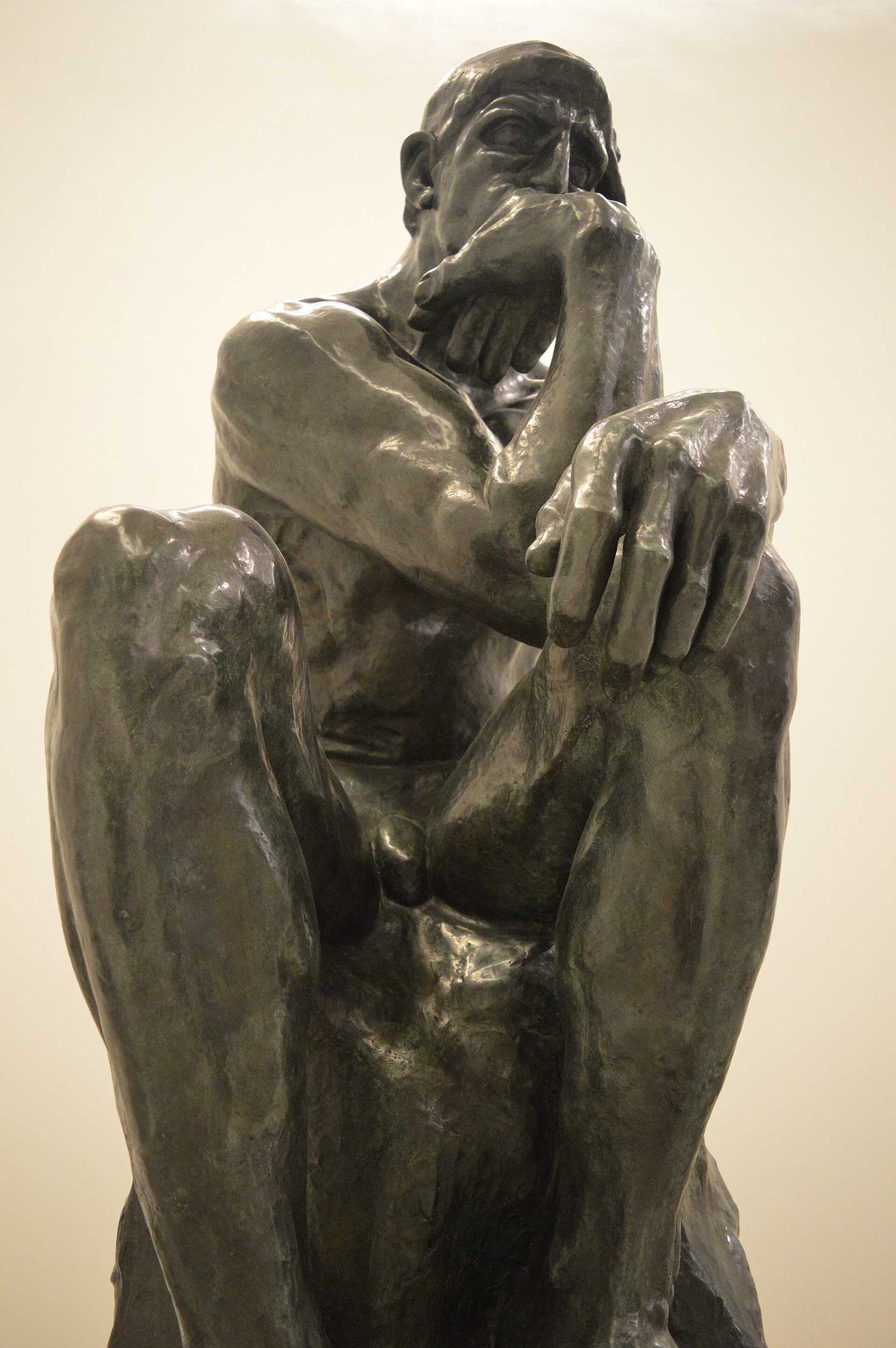
One of the museum’s highlights is its Rodin collection, one of the largest in the world. The bronze figures—including *The Thinker* and *The Burghers of Calais*—seem to breathe in the dimly lit halls. Their poses and expressions demand attention, slowing visitors down as they take in the details. Nearby, works by other sculptors pale in comparison, not because they’re lesser, but because Rodin’s pieces carry a weight that lingers. They don’t just represent human emotion; they embody it, making the experience feel almost intimate.
European art is well represented here, with names that usually belong in the Louvre or the Prado. Paintings by El Greco, Rubens, Rembrandt, Monet, Van Gogh, and Picasso share space with Mexican works, blurring the lines between cultures and centuries. A Monet landscape might hang near a piece by José María Velasco, a 19th-century Mexican artist who captured his country’s nature with the same sensitivity to light and color. The juxtaposition isn’t accidental—it’s a reminder that art has always been a universal language, one that transcends borders.
The museum doesn’t stop at classical works. Its collection also includes modern and contemporary pieces, from abstract compositions to photography, video installations, and design objects. One of the most compelling sections is dedicated to Mexican modernism, featuring works by Frida Kahlo, David Alfaro Siqueiros, and José Clemente Orozco. Their paintings, filled with symbolism and social commentary, stand in stark contrast to the more serene European pieces nearby. Yet instead of clashing, they complement each other, adding depth to the museum’s narrative.
The building itself is a work of art. Six floors are connected by spiral ramps that guide visitors from one gallery to the next, creating a sense of flow rather than rigid progression. At the center is a vast, light-filled atrium where temporary exhibitions and events often take place. The architecture doesn’t overshadow the art; it enhances it, providing a neutral backdrop that lets each piece shine. The curves of the building and the way it reflects the sky give it a sense of movement, as if the space itself is alive.
Unlike traditional museums with their strict rules and academic labels, the Soumaya Museum feels open-ended. There are no lengthy explanations forcing a single interpretation. Instead, the experience is about discovery—letting the art speak for itself. You could spend hours wandering the halls and still find something new each time. Even after a long visit, there’s no sense of exhaustion, just a quiet contemplation, as if the museum has left you with more questions than answers.
Plaza Carso, where the museum is located, is more than just an address. It’s a cultural hub, surrounded by other museums, galleries, restaurants, and shops. The area often hosts concerts, lectures, and festivals, making it easy to combine a visit to the Soumaya with a stroll through the neighborhood. The district of Tacubaya, once a suburb of Mexico City, has evolved into one of the city’s most vibrant areas. Old mansions stand alongside modern buildings, creating a mix of past and present that feels distinctly Mexican.
The Soumaya Museum isn’t just for art lovers. It’s a place where anyone can begin to understand Mexico through its cultural heritage. Carlos Slim’s collection, despite its eclecticism, reflects the country’s global connections—its history, European influences, artistic traditions, and contemporary trends. Here, you can see how Mexican art absorbed outside ideas while maintaining its own identity. In that sense, the museum isn’t just a repository of art; it’s a bridge between cultures and eras.
A visit to the Soumaya leaves you with a sense of lightness, despite the wealth of impressions. Maybe it’s because there are no rigid boundaries—neither in the architecture nor in the way the art is presented. The building doesn’t compete with the works inside; it simply gives them room to breathe. The museum doesn’t try to shock or impress; it invites you to pause, look closer, and perhaps see something familiar in a new way. That’s its strength—it doesn’t dictate, it inspires. And that’s why it’s a place you’ll want to return to.