Savonlinna Museum is one of those quiet places where history doesn’t just sit behind glass—it lingers in the air, in the creak of old floorboards, in the way sunlight filters through tall windows onto faded photographs and rusted tools. Housed in a former provincial prison built in the late 19th century, the museum itself is a piece of the past, its thick stone walls and iron bars a reminder of the building’s original purpose. The prison closed in the 1970s, but the structure was preserved, repurposed into a space where the stories of Savonlinna and the surrounding Lake Saimaa region could be told. Walking through its corridors, you can almost hear the echoes of the past—not just the voices of inmates, but the everyday lives of the people who shaped this corner of Finland.
The museum’s collections are a mix of the ordinary and the extraordinary, reflecting the rhythms of life in a small Finnish town over the centuries. There are tools used by local fishermen and farmers, their worn handles speaking of generations of labor. Household items—wooden spoons, hand-stitched quilts, old coffee grinders—paint a picture of domestic life that feels both familiar and distant. One of the most striking exhibits is the reconstruction of a traditional Savonian farmhouse interior, complete with a massive stone hearth and low wooden benches. It’s easy to imagine a family gathered here on a long winter night, the fire crackling as they shared stories or simply sat in comfortable silence.
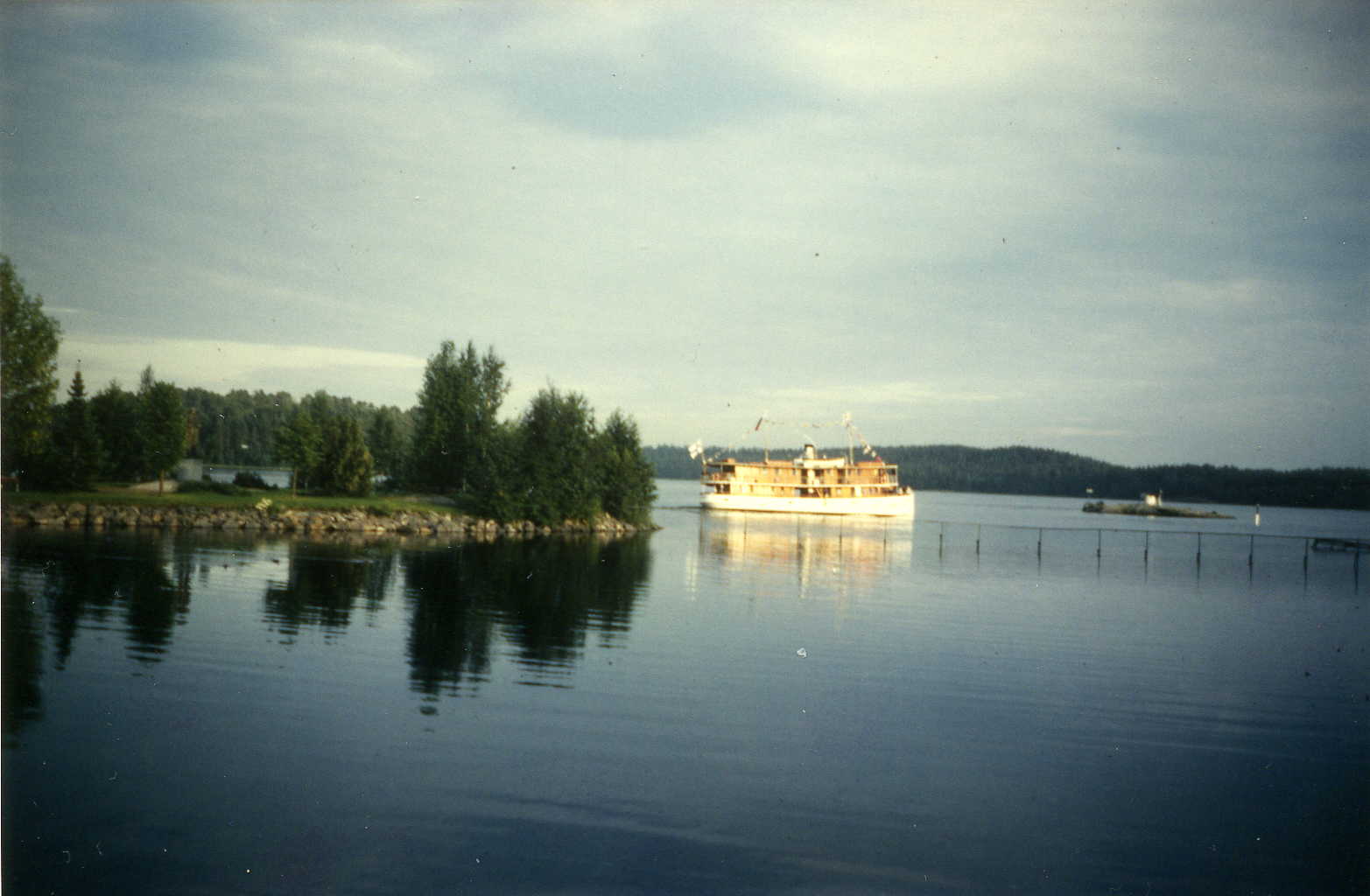
Savonlinna’s location on the shores of Lake Saimaa has always defined its identity, and the museum does a good job of capturing that connection. The lake isn’t just a backdrop here—it’s a character in its own right. Exhibits on fishing, boatbuilding, and the timber trade show how deeply the town’s fortunes were tied to the water. There are models of old steamships that once plied the lake’s vast network of waterways, carrying goods and passengers between isolated communities. A particularly interesting display focuses on the *puuveneveistys*, or wooden boat carving, a craft that was both practical and artistic. The boats on display, with their sleek lines and intricate details, are a testament to the skill of local shipwrights.
The museum also delves into the cultural life of the region, particularly its musical heritage. Savonlinna is famous for its annual opera festival, held in the medieval Olavinlinna Castle, and the museum pays homage to this tradition with exhibits on local composers and musicians. There are old concert posters, sheet music, and even a few instruments, including a beautifully preserved kantele, the traditional Finnish string instrument. The connection between the town and its opera festival is a reminder of how even small places can have an outsized cultural impact.
One of the most compelling parts of the museum is its focus on the Winter War and the Continuation War, conflicts that left deep scars on Finland in the 20th century. The exhibits here are understated but powerful, with personal letters, photographs, and military equipment telling the story of a town—and a nation—caught in the crosscurrents of history. There’s a sense of resilience in these displays, a quiet pride in how ordinary people endured extraordinary hardships. It’s not an easy part of the museum to walk through, but it’s an important one, offering a glimpse into a chapter of Finnish history that still shapes the country today.
The building itself is worth lingering over. The prison’s original layout has been largely preserved, with cells now serving as exhibit spaces. Some of the old iron doors and barred windows remain, a stark contrast to the warm wooden displays inside. The architecture is a mix of functional and austere, with high ceilings and large windows that let in plenty of natural light. It’s a space that feels both solemn and welcoming, a place where history is treated with respect but not reverence—where the past is allowed to speak for itself.
What makes Savonlinna Museum special is its lack of pretension. It’s not trying to be a grand institution or a flashy tourist attraction. Instead, it feels like a conversation with the town’s history, one that unfolds at a leisurely pace. There are no dramatic recreations or interactive gimmicks—just well-curated exhibits that let the objects and stories speak for themselves. It’s the kind of place where you might spend an hour or two, or where you might lose track of time entirely, absorbed in the details of a life that once was.
For anyone visiting Savonlinna, the museum offers a quiet counterpoint to the town’s more famous landmarks, like Olavinlinna Castle. While the castle draws crowds with its medieval grandeur, the museum provides a more intimate look at the lives of the people who lived in its shadow. It’s a reminder that history isn’t just about kings and battles—it’s also about the daily rhythms of work, family, and community. And in a town as steeped in history as Savonlinna, those rhythms are still very much alive.