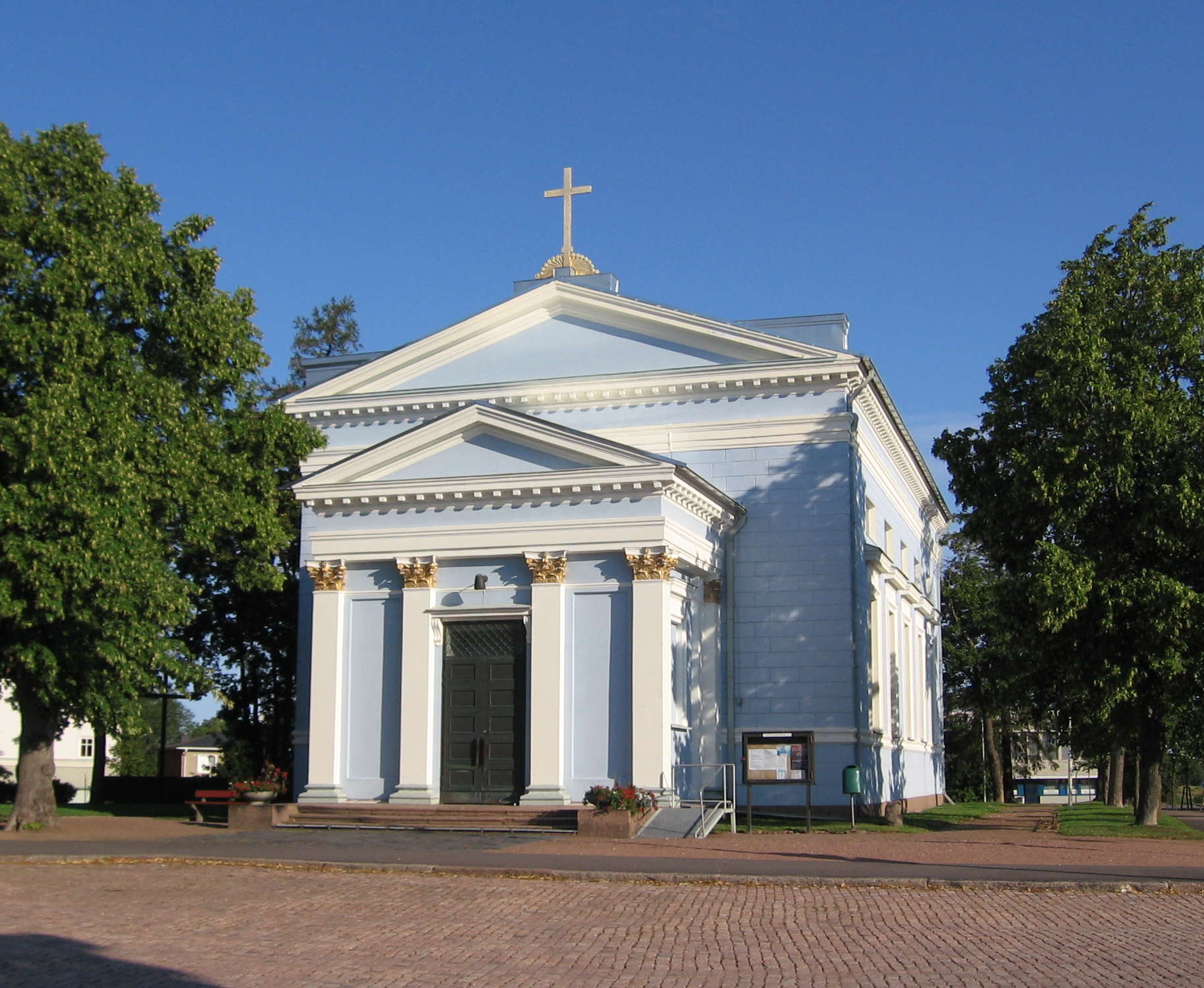
Savonlinna’s St. John’s Church stands quietly along the shore of Lake Saimaa, its red-brick silhouette a familiar sight against the Finnish sky. Built in the late 19th century, it was designed by architect Josef Stenbäck, whose work helped shape the architectural identity of many Finnish towns during that era. The church is one of the few remaining examples of Gothic Revival style in the region, a deliberate choice that reflects both the romantic ideals of the time and the practical needs of a growing community.
The exterior is striking yet understated, with pointed arches, tall lancet windows, and a slender spire that reaches toward the clouds. The red brick, a material uncommon in traditional Finnish wooden churches, gives the building a warmth that contrasts with the often overcast weather. The church sits on a small hill, surrounded by old trees and a low stone wall, creating a sense of seclusion despite its central location in the town.
Inside, the space feels intimate yet grand, with high vaulted ceilings and rows of wooden pews that lead the eye toward the altar. The stained-glass windows, though not as elaborate as those in larger European cathedrals, cast soft, colored light across the whitewashed walls, adding a gentle glow to the interior. The organ, installed in the early 20th century, still fills the church with music during services and occasional concerts, its sound resonating through the open space.
St. John’s Church has always been more than just a place of worship. In a town like Savonlinna, where life has long revolved around the lake and the rhythms of nature, the church has served as a gathering point for the community. Over the decades, it has witnessed weddings, funerals, and countless Sunday services, its walls holding the stories of generations. During the harsh Finnish winters, the church’s thick brick walls and sturdy construction offered shelter and warmth, while in summer, its doors remained open, inviting both locals and visitors to step inside.
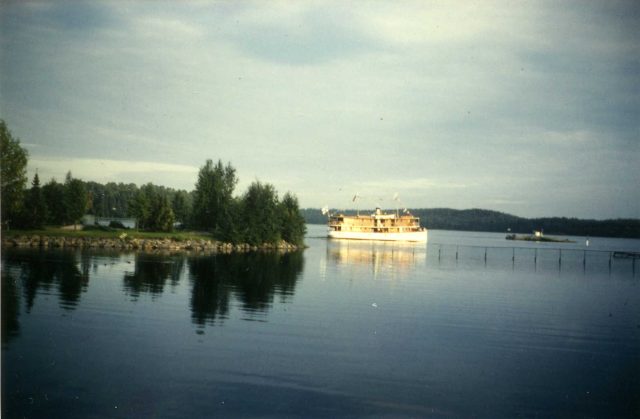
The church’s location near the water is no accident. Savonlinna was founded in the 17th century as a fortress town, and its growth was closely tied to the lake, which provided transport, trade, and sustenance. St. John’s was built at a time when the town was expanding beyond its medieval walls, and its placement near the shore symbolized the connection between the community and the natural world. Even today, standing on the church steps, you can see the water glinting in the distance, a reminder of the lake’s enduring presence in the town’s life.
Unlike many older Finnish churches, which were constructed from wood and often fell victim to fire or decay, St. John’s has stood the test of time. Its brick construction was a practical choice in an era when durability mattered, but it also reflected a shift in Finnish architecture toward more permanent, European-influenced styles. The church’s design was part of a broader movement in late 19th-century Finland, where national identity was being redefined through art, literature, and architecture. While not as famous as some of Stenbäck’s other works, St. John’s embodies the same spirit of quiet elegance and functionality.
For visitors, the church offers a moment of stillness in a town that, while small, is lively in its own way. Savonlinna is best known for its annual opera festival, which draws crowds to the medieval Olavinlinna Castle, but St. John’s provides a different kind of experience. There are no grand performances here, no guided tours with dramatic storytelling—just a simple, well-loved building that has served its purpose for over a century. On a weekday morning, you might find only a handful of people inside, perhaps lighting a candle or sitting quietly in the pews.
The churchyard is just as much a part of the experience as the building itself. The old gravestones, some weathered beyond legibility, tell their own stories of the town’s past. In summer, wildflowers grow between the stones, and the scent of pine drifts from the surrounding trees. In winter, the snow blankets everything in white, softening the edges of the church and the graves alike. It’s a place where time seems to slow down, where the past and present coexist without fanfare.
St. John’s Church may not be the most famous landmark in Finland, but that’s part of its charm. It doesn’t demand attention; it simply exists, as it has for generations, a steady presence in a town that has seen its share of change. Whether you visit for a service, a moment of quiet reflection, or just to admire the architecture, the church offers a glimpse into the everyday life of Savonlinna—a life shaped by the lake, the seasons, and the quiet resilience of its people.