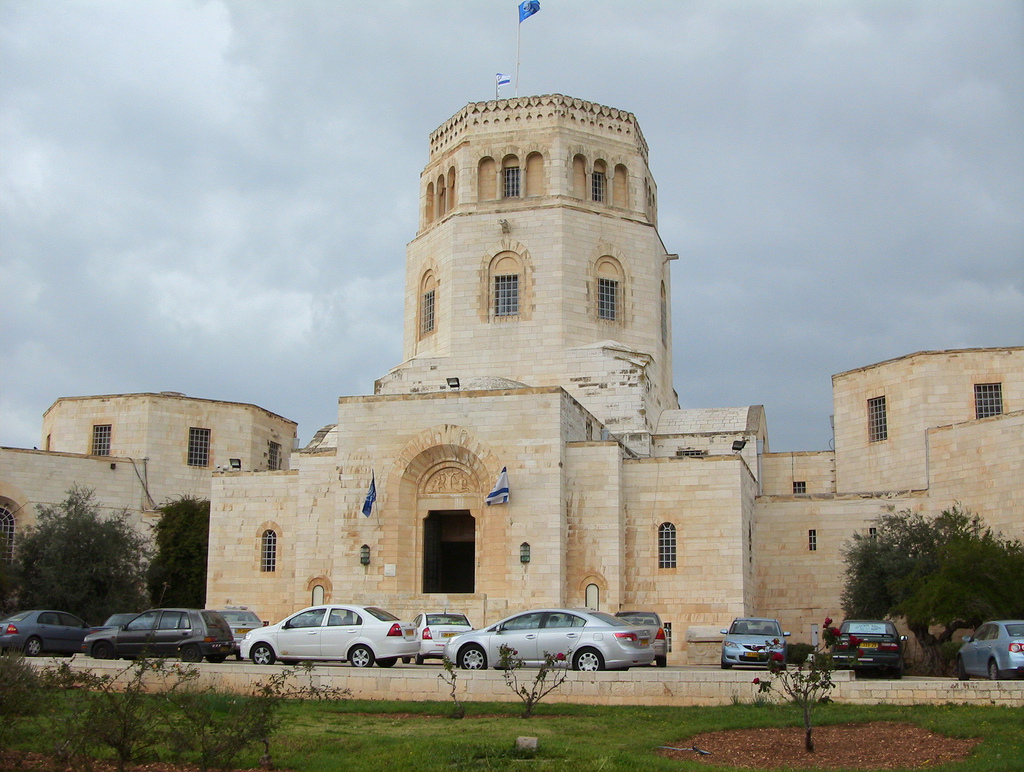
The Rockefeller Museum is one of those places in Jerusalem where history doesn’t just sit behind glass—it seeps through the very walls. Perched on a hill in the eastern part of the city, it occupies a neighborhood that has been at the heart of change for the past century. The building itself is a relic of an era when archaeology was as much about politics as it was about science, and excavations in the Holy Land captivated the world’s attention.
Construction began in the 1930s, funded by American philanthropist John D. Rockefeller Jr., who donated two million dollars to create Palestine’s first major archaeological museum. The design was entrusted to British architect Austin Harrison, who was working in the British Mandate at the time. He blended elements of Mamluk and Ottoman architecture with the modernist sensibilities of the period—thick stone walls, soaring ceilings, and expansive halls bathed in natural light. The most striking feature is the central courtyard, with its fountain and arched walkways, evoking the quiet grandeur of traditional Arab madrasas.
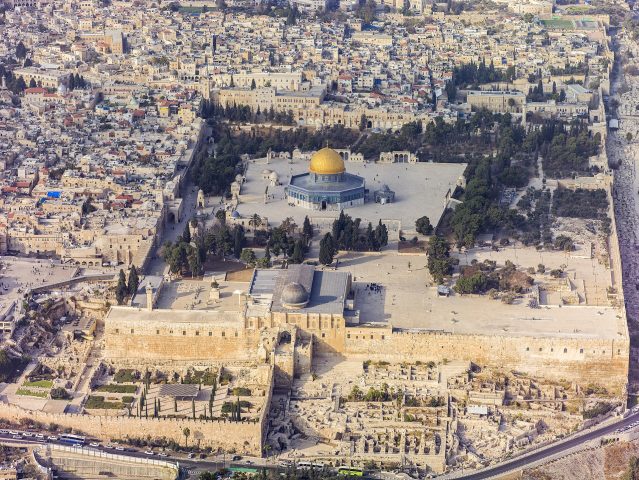
The museum opened in 1938, a time of growing tension in the region. Under British rule, it was part of an ambitious vision to position Jerusalem as a cultural and intellectual hub. Its collections housed artifacts unearthed across Palestine, from prehistoric tools to Byzantine mosaics. Among the most significant were relics from Jerusalem itself, including fragments from the Second Temple and objects discovered on the Temple Mount.
After the 1948 Arab-Israeli War, the museum found itself under Jordanian control, and its holdings expanded to include finds from Jericho and other sites in the West Bank. For a time, it became one of the few places where Palestinian archaeology could develop with a degree of independence. But in 1967, following the Six-Day War, Israel took over the museum, and its fate once again became intertwined with the shifting politics of the region.
Today, the Rockefeller Museum operates as a branch of the Israel Museum, though its collection retains its own distinct identity. Visitors can see the famous Megiddo hoard, a trove of Bronze Age gold and silver jewelry, as well as steles and inscriptions that offer glimpses into the ancient kingdoms of the area. The Byzantine mosaics, discovered in churches around Jerusalem, are particularly striking—vibrant and remarkably well-preserved, they transport viewers to a time when Christianity was first taking root in the region.
The museum’s atmosphere is unlike that of most modern exhibition spaces. There are no interactive screens or multimedia displays, just silence, high ceilings, and sunlight streaming through large windows. The artifacts are presented in the style of mid-20th-century museums—under glass, with minimal labels. Some might find this approach outdated, but the simplicity allows the objects themselves to take center stage, many of which carry a palpable sense of the past.
While the Rockefeller Museum often gets overshadowed by Jerusalem’s more famous attractions, it remains a must-visit for those interested in the region’s history. There are no crowds here, just quiet halls where you can wander and reflect on the countless stories these walls have witnessed. The museum isn’t just a repository of antiquities; it’s a testament to how the interpretation of history has shifted depending on who controlled the narrative.
The surrounding neighborhood is a historical site in its own right. The streets of East Jerusalem, with their Ottoman-era buildings and traces of the British Mandate, move at a slower pace. A walk through the area complements the museum visit, serving as a reminder that Jerusalem is more than just a collection of holy sites—it’s a city where layers of history overlap, creating something far more complex and compelling.