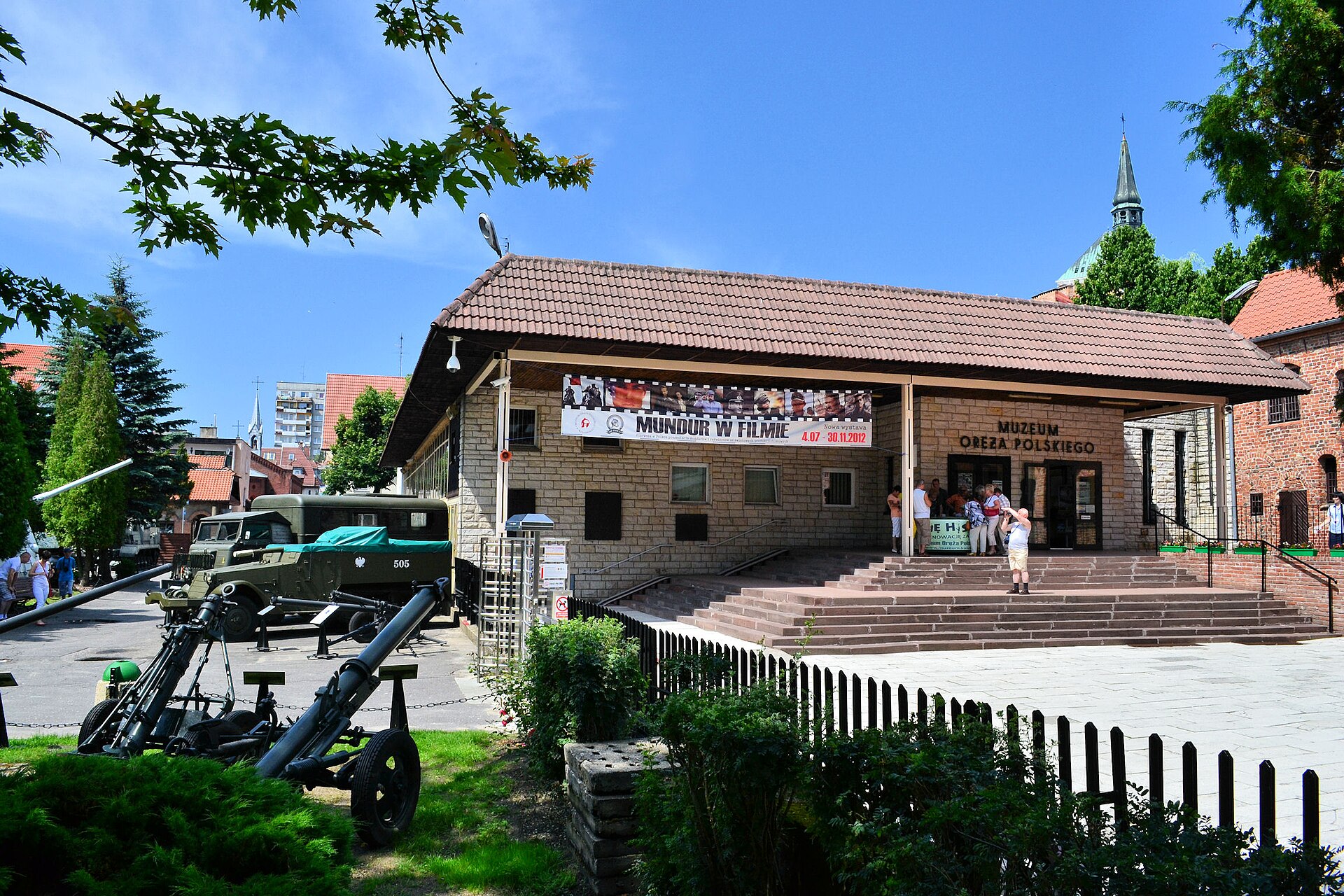
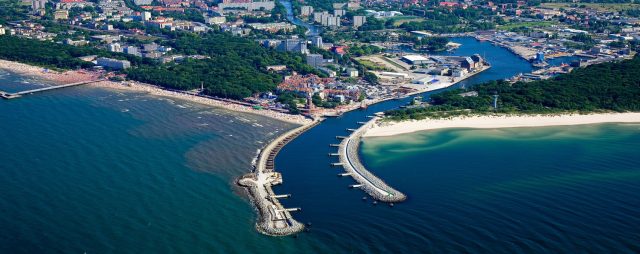
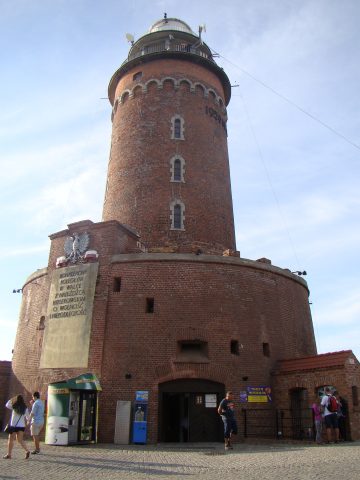
Kołobrzeg’s Museum of Polish Weaponry is one of those places where history isn’t just displayed—it lingers in the air, heavy with the weight of the past. The town itself carries deep military scars, having been a battleground during World War II and later a symbol of resilience and rebirth. The museum stands in the heart of Kołobrzeg, its collection spanning centuries, from medieval blades to modern military hardware. But it’s not just about weapons; it’s about how conflict and defense have shaped Poland’s identity over time.
The building housing the museum is part of the story. It’s an old mansion, its origins somewhat mysterious—once owned by local merchants or nobility, though no records confirm the exact details. The façade is classic, with tall windows and sturdy doors that give it a dignified, almost solemn presence. Inside, the space has been adapted for exhibits, but traces of its past life remain: ornate ceiling moldings, original parquet floors. The atmosphere isn’t that of a typical museum; it feels more like stepping into a private collection where every item has a backstory waiting to be uncovered.
The core of the museum is, of course, its weaponry, but the exhibits go beyond guns and armor. Uniforms, medals, documents, photographs, and even soldiers’ personal belongings fill the rooms. World War II takes center stage here, as Kołobrzeg was the site of brutal fighting. Soviet and German weapons stand alongside Polish partisan rifles and captured enemy gear. Some pieces come with accounts of the people who used them, turning abstract history into something personal. A rusted helmet isn’t just an artifact; it’s a reminder of the person who once wore it.
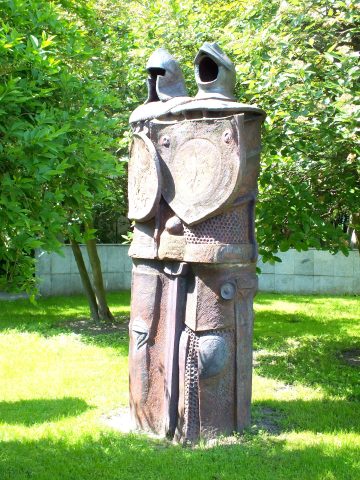
A separate hall is dedicated to edged weapons—swords, sabers, daggers, and halberds from different eras. The Polish winged hussar sabers are particularly striking, symbols of the Commonwealth’s military prowess. Nearby, simpler but no less significant items tell quieter stories: knives carried by January Uprising rebels or bayonets from World War I. Each piece has a label, but the real value lies in the rare instances where the weapon’s history is known—who wielded it, where it saw battle, how it survived.
Modern Polish military history gets its due in another section, showcasing post-war and contemporary equipment. Assault rifles, grenade launchers, communication devices, and even scale models of armored vehicles illustrate how warfare has evolved over the decades. For military history buffs, there are intriguing details about Poland’s arms industry and its foreign acquisitions. It’s a reminder that even in peacetime, the country’s defense needs have always been a priority.
The museum pays special attention to the 1945 Battle of Kołobrzeg, one of the last major engagements of World War II in Poland. Maps, photographs of the ruined city, and soldiers’ personal effects bring the conflict to life. Documents about the town’s post-war reconstruction highlight how Kołobrzeg rose from the ashes, becoming a symbol of hope. This part of the exhibit isn’t just about the battle; it’s about what came after—the slow, painful process of rebuilding.
Beyond the weapons and battles, the museum also offers glimpses into the everyday lives of soldiers. Mess kits, letters from the front, and personal diaries reveal the human side of war. These items show how ordinary people endured extraordinary hardships, holding onto their humanity amid chaos. Some of the most moving pieces are the photographs—snapshots of lives interrupted, faces of those who fought and never returned.
Visiting the museum leaves a mixed impression. It’s a place of remembrance, a reminder of the cost of peace. Yet there’s no grand narrative or ideological slant, just an attempt to preserve history as it was—messy, tragic, and sometimes heroic. The collection isn’t exhaustive or overly academic, which makes it feel more approachable. For anyone trying to understand Poland’s past and the people who defended it, this museum offers a quiet, thoughtful starting point.