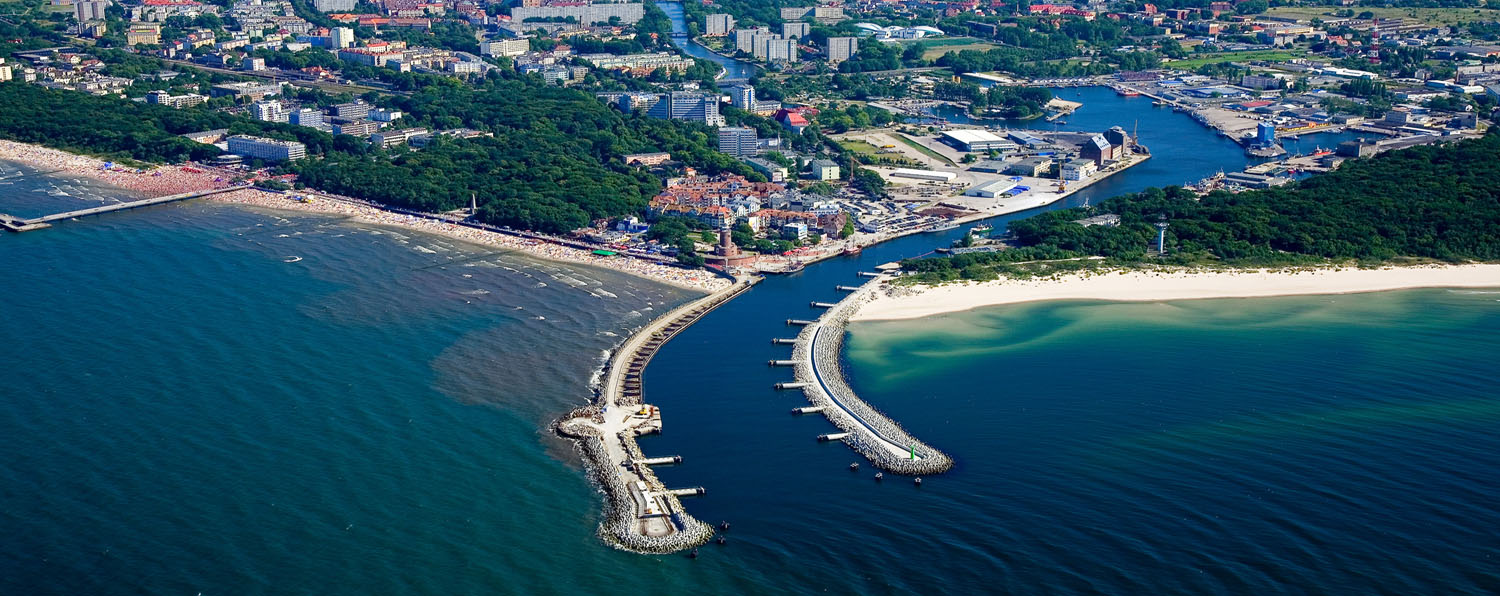
Kołobrzeg sits where the Parsęta River spills into the Baltic, its streets layered with stories. Medieval walls stand near 19th-century villas, wartime memorials share space with lively promenades. The town balances modern tourism with echoes of its past—whether you want to relax, explore, or step into history.
The first traces of Kołobrzeg appear in the 9th century, when a Slavic settlement took root here. By the 12th century, it had become a key trading hub in the Duchy of Pomerania, later joining the Hanseatic League. Salt, amber, and herring passed through its port, linking Scandinavia to Europe. The town’s wealth made it a target, so thick walls and watchtowers were built. Some still stand in the Old Town, where gates and ramparts hint at battles fought centuries ago.
St. John the Baptist Cathedral dominates the skyline, a Gothic structure built in the 13th century. Its spire has witnessed wars, fires, and time’s slow passage. Inside, frescoes, carved altars, and tombstones bear the names of townspeople long gone. The square outside was once a medieval marketplace. Today, it’s where you sip coffee or browse shops selling amber jewelry and local crafts. The scent of saltwater mixes with fresh pastries.
In the 19th century, Kołobrzeg transformed into a spa destination. The wealthy and middle class came for sea air, mineral springs, and sandy beaches. Grand villas and sanatoriums lined the coast, many now repurposed as hotels and restaurants. The spa park, designed in the English style, remains a quiet escape. Winding paths lead past ponds and sculptures. In summer, concerts and festivals fill the air; in winter, frost covers the trees.
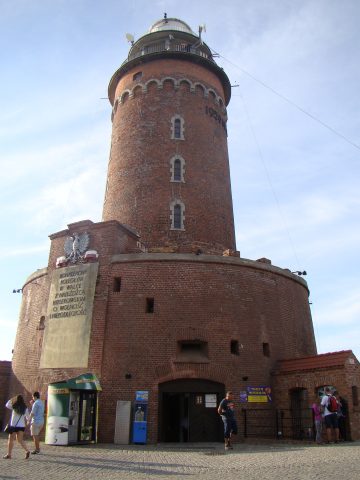
World War II scarred Kołobrzeg deeply. In March 1945, Soviet and German forces clashed here, leaving much of the town in ruins. Reconstruction erased many wounds, but memories remain. The Soviet War Memorial on the waterfront draws visitors, especially on Victory Day. Nearby, the lighthouse stands as it has for centuries, guiding ships through shifting tides.
Today, Kołobrzeg is a town of contrasts.
Long sandy beaches stretch for kilometers, packed with sunseekers in summer. The promenades buzz with cyclists and strollers year-round. The Old Town, with its narrow lanes and pastel houses, feels distant from the beachfront bars serving grilled flounder and smoked eel. Winter slows everything down. Snow dusts the streets, and the sea wind carries a sharp bite. It’s a time for quiet walks along the shore, where gulls cry in the distance.
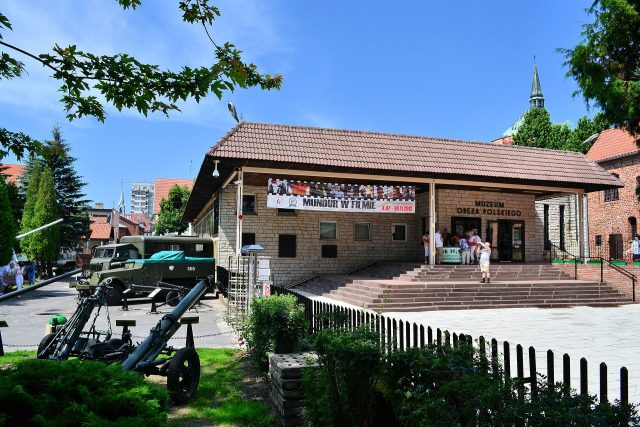
Culture thrives in warmer months. The Street Theater Festival turns the town into an open-air stage, with performers from across Europe filling squares with music and acrobatics. The Sea Festival in autumn celebrates maritime heritage with parades and food stalls—smoked fish, honey-drizzled pierogi. Winter brings the Christmas market, where stalls sell handmade ornaments, spiced wine, and gingerbread. Even in the off-season, museums like the one on Pomeranian history offer glimpses into the past.
Beyond the town, nature takes over. Nearby reserves attract birdwatchers, with rare species nesting in wetlands and coastal forests. Trails wind along the Parsęta River or out to sea cliffs, where pine and salt scent the wind. The countryside holds quiet villages and abandoned manor houses, their stories half-buried in the landscape.
Kołobrzeg feels both timeless and alive. Spend the morning in medieval ruins, the afternoon on the beach, the evening in a candlelit restaurant with fresh seafood. The sea is always there, a reminder of the town’s bond with the water. Whether you come for history, nature, or rest, Kołobrzeg leaves its mark.