Tartu’s Open-Air Museum is one of those places where history doesn’t just sit behind glass—it breathes. Spread across a quiet, wooded area on the edge of the city, the museum feels more like stepping into a living village than a curated exhibit. The site was established in the 1960s, but the buildings here aren’t replicas; they’re original structures, carefully dismantled from their original locations across Estonia and reassembled piece by piece. The oldest dates back to the 18th century, and each tells a story of rural life in a country where traditions were often shaped by the land itself.
Walking through the museum is like moving through time. The first thing you notice is the layout—no rigid paths or forced routes, just dirt tracks winding between farmhouses, windmills, and barns. The buildings are grouped by region, so you might start in a coastal fisherman’s cottage with its low ceilings and soot-stained walls, then find yourself in a Seto farmstead from the southeast, where the architecture is heavier, the roofs steeper, built to withstand harsher winters. The attention to detail is striking: wooden plows lean against fences, smokehouses stand ready for use, and even the gardens are planted with the same crops that would have fed families centuries ago.
What makes the museum feel alive, though, isn’t just the buildings—it’s the way they’re presented. There are no barriers keeping you from stepping inside, no ropes to hold you back. You can duck under the low doorframe of a 19th-century schoolhouse, run your fingers over the rough-hewn benches where children once sat, or peer into the dark corners of a threshing barn where grain was processed by hand. In summer, the scent of woodsmoke lingers in the air, and if you’re lucky, you might catch the sound of a blacksmith’s hammer or the creak of a windmill’s blades. The museum isn’t just about looking; it’s about imagining what it would have been like to live here, to wake before dawn to tend livestock or spend long winter nights spinning wool by the light of a single candle.
The museum also does something rare for open-air sites: it doesn’t shy away from the harder parts of history. Estonia’s past is one of occupation and resilience, and that tension is visible here. Some of the buildings bear the marks of Soviet-era modifications—crude repairs, makeshift extensions—while others stand as they were, untouched by the 20th century’s upheavals. A small chapel, for instance, feels almost sacred in its simplicity, its wooden walls worn smooth by generations of hands. Nearby, a schoolhouse from the 1930s hints at the brief period of independence between the world wars, when Estonian culture flourished before being suppressed again. The museum doesn’t lecture; it lets the buildings speak for themselves, and their silence can be more powerful than any plaque.
One of the most striking things about the place is how unpolished it feels. There’s no attempt to sanitize the past or present it as quaint. The farmhouses are drafty, the floors uneven, the tools rusted. A visit here isn’t about nostalgia for a simpler time—it’s about understanding how people adapted, how they built their lives with whatever was at hand. The museum’s staff, many of whom are dressed in period clothing, add to the authenticity. They’re not actors performing a script; they’re there to answer questions, demonstrate old crafts, or simply go about their work as if the 21st century didn’t exist. On certain days, you might see them baking bread in a wood-fired oven, weaving on a handloom, or tending to the museum’s small herd of Estonian native cattle, a breed that nearly went extinct.
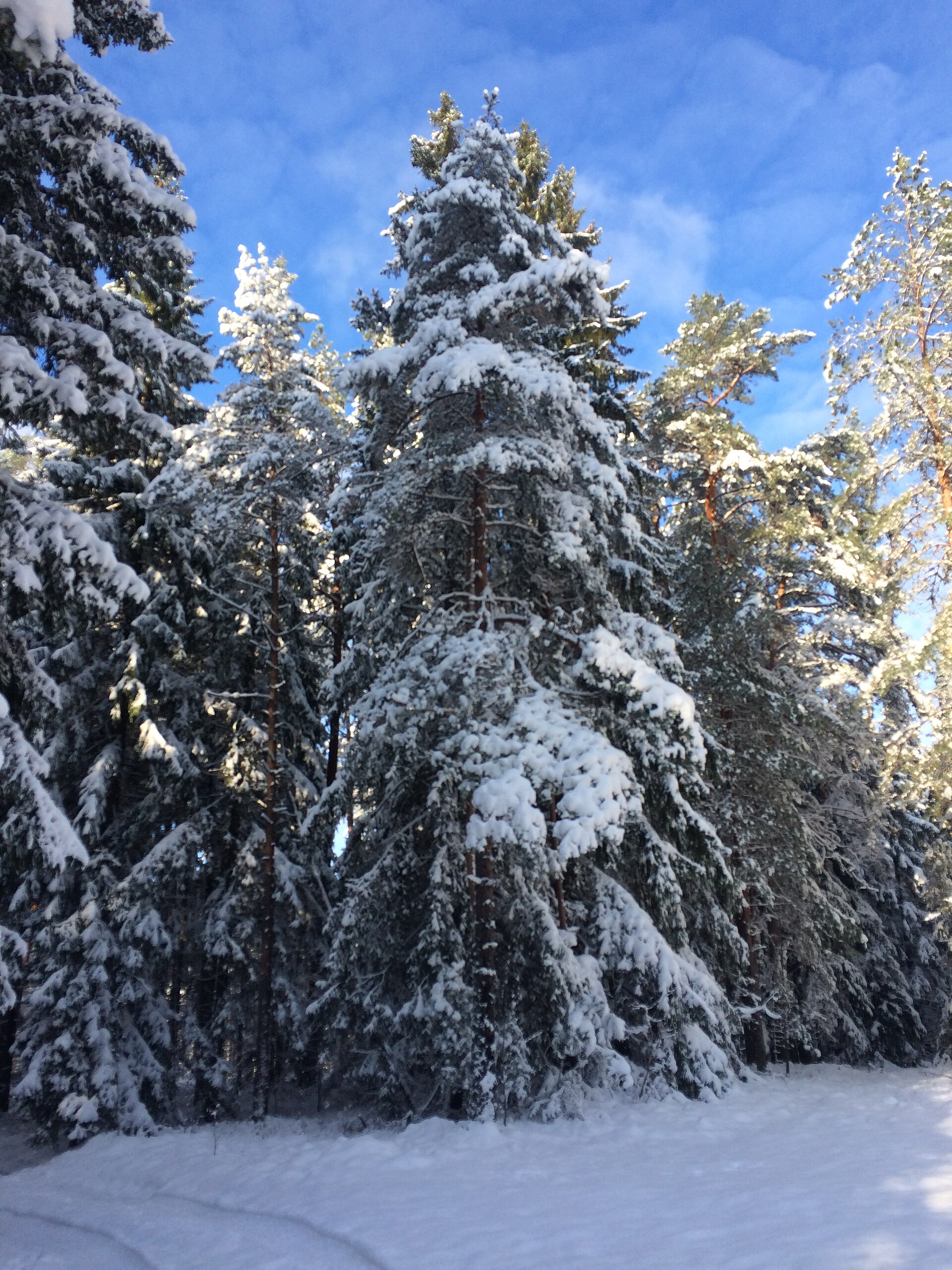
The landscape itself is part of the experience. The museum sits on a gentle slope overlooking the Emajõgi River, and the surrounding forest feels like a natural extension of the exhibits. In autumn, the trees turn gold and russet, their leaves crunching underfoot as you walk between the buildings. In winter, the snow muffles sound, and the smoke from chimneys curls into the cold air. Even the weather plays a role—on a windy day, the old wooden structures creak and groan, as if reminding you that they’ve stood through centuries of storms. The museum isn’t just a collection of buildings; it’s a microcosm of Estonia’s relationship with its environment, where every plank and beam is a testament to the land’s influence on its people.
For all its historical weight, the museum isn’t a place that feels stuck in the past. It’s a reminder that traditions aren’t static—they evolve, adapt, and sometimes disappear, only to be revived later. The museum itself is a product of that process. When it was founded, Estonia was still under Soviet rule, and preserving rural heritage was a quiet act of resistance, a way of holding onto identity when so much else was being erased. Today, it serves a different purpose: a bridge between generations, a place where Estonians can reconnect with their roots and visitors can see a side of the country that’s often overshadowed by its medieval cities and digital innovations.
There’s no grand finale here, no dramatic reveal. The museum ends as it begins, with a slow walk back toward the entrance, past the same buildings you’ve just explored but now seen in a different light. Maybe it’s the way the afternoon sun slants through the trees, or the sound of children playing in the distance, but something about the place lingers. It’s not just the history that stays with you—it’s the sense of continuity, the quiet understanding that the past isn’t as far away as it seems. In a world that moves faster every day, the Open-Air Museum in Tartu offers a rare chance to slow down, to step into a rhythm that’s older than memory, and to leave with the feeling that you’ve touched something real.