The Panama Canal Museum isn’t just a place to learn about an engineering marvel—it’s where the human story behind one of the 20th century’s most ambitious projects comes alive. Tucked away in Panama City, the museum doesn’t merely recount how a narrow strip of land bridged two oceans; it reveals the people, the politics, and the sheer persistence that made it possible. Visitors don’t stumble in by accident. They come because they want to understand how this slender isthmus became the linchpin of global trade, shaping economies and lives far beyond its borders.
The idea of cutting a canal through Panama dates back to the 16th century, when Spanish conquistadors dreamed of a shortcut to ferry Peruvian gold to Europe. But it wasn’t until the 19th century that the dream started to take shape. The French, led by Ferdinand de Lesseps—the man behind the Suez Canal—took the first crack at it. What followed was a disaster. Tropical diseases, miscalculations, and brutal working conditions claimed tens of thousands of lives, bankrupting the company. The museum captures this tragedy without sensationalism, letting letters, photographs, and personal accounts speak for themselves. You can almost hear the clatter of tools and the distant hum of machinery, mingling with the quiet grief of those who never made it home.
The Americans took over in the early 1900s, buying the rights and finally completing the canal. This part of the museum is a testament to ingenuity: intricate blueprints of locks, ship models, and even the personal effects of engineers who solved seemingly impossible problems. How do you manage the elevation difference between two oceans? How do you create an artificial lake like Gatun, the heart of the system? But the museum doesn’t shy away from the darker side of this era. There were debates over Panama’s sovereignty, protests, and a long struggle to return the canal to Panamanian control, which only happened in 1999. It’s a reminder that progress often comes with a cost, and not everyone pays it equally.
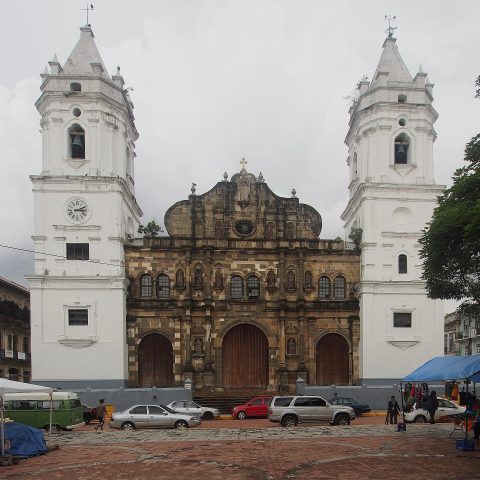
The building itself is part of the story. Located in the historic district of Casco Viejo, it stands among colonial structures that have survived fires and pirate raids. Once the administrative hub for both the French and American canal efforts, its thick walls and high ceilings exude a sense of permanence. Inside, the exhibits aren’t arranged strictly by timeline but by theme—engineering feats, social impacts, economic consequences. This approach lets you see the canal from multiple angles without losing sight of the bigger picture. The space feels open, almost conversational, as if the past is being shared rather than dictated.
One of the most compelling sections focuses on the people who built the canal. There’s no glorification here. The faces in the photographs—workers from the Caribbean, Europe, and Asia—came seeking opportunity but found harsh conditions instead. The museum shows how the region’s demographics shifted, how new communities formed, and how diseases like malaria and yellow fever claimed thousands of lives. A separate gallery highlights the often-overlooked contributions of women, whether they were laboring on the construction sites or nursing the sick in makeshift hospitals. Their stories are woven into the larger narrative, not as footnotes but as essential threads.
The modern section of the museum brings the canal into the present day. Interactive models explain how the locks work, while displays cover the 2016 expansion, which added new locks to accommodate larger ships. But the museum doesn’t just celebrate progress. It asks tough questions: How does the canal affect the region’s ecology? What challenges does climate change pose? How is its role in global trade evolving? There are no easy answers, but that’s the point. The canal isn’t just a relic of the past; it’s a living system with consequences that ripple outward.
Leaving the museum, you’re left with a mix of awe and unease. On one hand, it’s a story of human triumph—of overcoming nature’s obstacles and defying the odds. On the other, it’s a sobering reminder of the price paid for that triumph. The canal, which now seems like an inevitable part of the landscape, was anything but. It was decades of labor, mistakes, and sacrifice. The museum doesn’t sugarcoat the past, nor does it demonize those involved. It simply presents the facts, letting visitors draw their own conclusions about the complexities of progress.
Outside, the contrast between old and new is striking. The colonial buildings of Casco Viejo stand in the shadow of Panama City’s gleaming skyscrapers, while ships line up in the distance, waiting their turn to pass through the canal. It’s a perfect metaphor for the place itself—where history and modernity coexist, and where the story of the canal continues to unfold. The museum doesn’t claim to have all the answers, but it does something just as important: it makes you ask the right questions. What does progress really cost? Where do human limits lie? And what does it mean to be part of something bigger than yourself?