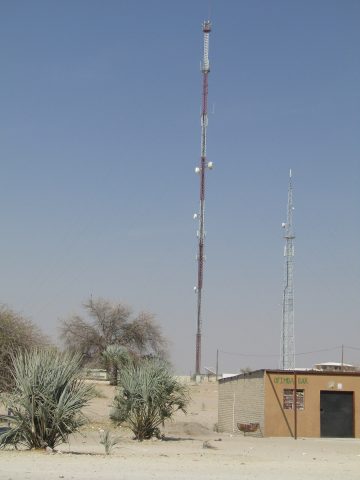
The Omutia Museum is one of those rare places where history isn’t confined to glass cases or reduced to labels on a wall. Instead, it unfolds through the everyday objects, stories, and traces of the people who shaped this corner of northern Namibia. The museum sits in a quiet town far from the usual tourist routes, in a region that once played a pivotal role in the country’s journey toward independence. Though small in size, its significance runs deep—especially for those who want to understand the culture of the Owambo people, who have called these lands home for generations.
The building itself tells a story. Unlike grand museums with marble halls and towering columns, this is a modest, single-story structure built in the mid-20th century, when Omutia was emerging as a local administrative hub. Its architecture is unassuming, practical—the kind of house once reserved for colonial officials or teachers. Over the decades, the building weathered time, but in the early 2000s, it was carefully restored, preserving its original character. Now, it holds more than just exhibits; it carries the weight of a community’s memory, a physical record of how life here has shifted with the tides of history.
The museum’s collection centers on Owambo culture, the largest ethnic group in Namibia. Walking through its rooms, you’ll find tools that once tilled the soil, household items that filled daily routines, and clothing that marked identity and status. There are intricately woven baskets, clay pots shaped by hand, wooden carvings, and musical instruments—objects that aren’t just relics but living traditions, still used in villages today. Old photographs line the walls, offering glimpses of life before European influence and during the colonial era, when the rhythms of Owambo society began to change.
A separate section is dedicated to Namibia’s struggle for independence, a chapter of history that still feels personal to many who visit. Here, documents, personal belongings, and photographs honor the members of SWAPO, the movement that led the fight against South African rule. For some, these aren’t just historical artifacts but pieces of family legacies—items donated by relatives of those who fought, their stories breathing life into the past. Omutia itself was a quiet but crucial part of this struggle, a place where resistance took root, and many locals played their part.
Yet the museum isn’t stuck in the past. Temporary exhibitions often tackle contemporary issues—climate change, the preservation of traditional crafts, or the challenges of modern education. Occasionally, local artisans host workshops on weaving or pottery, turning the space into a hands-on classroom. School groups visit regularly, and on those days, the museum hums with energy as children handle objects, ask questions, and try their hand at skills their ancestors once mastered.
There’s an ease to the way the museum operates. You won’t find strict rules about touching exhibits—unless they’re fragile—or bans on photography. The staff, many of whom are Owambo themselves, don’t just recite facts; they share the kind of stories that rarely make it into textbooks. They might explain how a particular dish was prepared, describe the rituals of a harvest festival, or reflect on how life has changed since independence. Sometimes, these conversations stretch into long discussions, and a visit to the museum becomes less about observing and more about connecting.
Omutia isn’t a place that draws crowds. The museum isn’t designed for mass tourism, and that’s part of its charm. It exists for those who want to see Namibia beyond the safaris and deserts, who are curious about the lives that unfold in its smaller towns. The town moves at its own pace, and the museum is very much a part of that rhythm. Nearby, small cafés serve strong coffee and local beer, while the streets are filled with people who know one another by name. It’s a place where history isn’t just preserved—it’s lived.
What makes the Omutia Museum special isn’t the grandeur of its collection or the rarity of its artifacts. It’s the authenticity of the stories it holds. Here, history isn’t told through dates or famous names but through the objects that ordinary people once used, the photographs that captured their faces, and the memories passed down through generations. For travelers who come to Namibia seeking more than just landscapes, this unassuming museum offers something far more meaningful: a chance to step into the quiet, enduring heart of a culture.