Etosha is one of those rare places where nature doesn’t need grand descriptions or artificial embellishments to speak for itself. Stretching across the northern reaches of Namibia, this national park covers an expanse so vast it feels like its own country, where time moves to a rhythm entirely its own. Here, the stark beauty of the desert merges with the golden grasslands of the savanna, creating a landscape that is both harsh and teeming with life. It’s not just a reserve—it’s a living, breathing ecosystem where every element, from the scorching sands to the scattered waterholes, plays a vital role in the balance of existence.
The story of Etosha begins long before it became known to the wider world. For centuries, local tribes like the Ovambo and Herero knew these lands as a place of abundance, where game was plentiful and water, though scarce, could still be found. In the early 20th century, when Namibia was under German colonial rule, the area was designated a hunting reserve—not out of conservation, but to preserve wildlife for the amusement of colonial hunters. It wasn’t until Namibia gained independence that Etosha was transformed into a national park, with its primary purpose shifting to the protection of its unique flora and fauna.
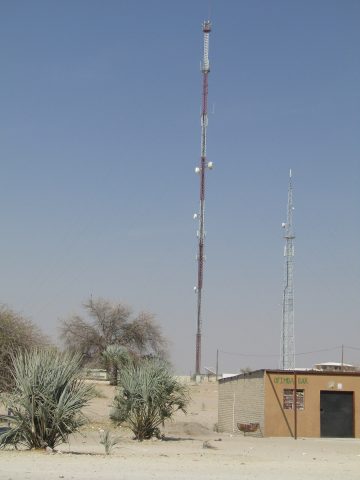
There are no grand architectural marvels here, no man-made structures competing for attention. Instead, the human presence is subtle, almost apologetic. The park’s network of roads and viewing platforms are designed to blend into the landscape, allowing visitors to explore without disrupting the natural order. The main gates, like Anderson Gate in the south and von Lindequist Gate in the east, are sturdy yet unobtrusive, built from stone and wood to remind travelers that they are merely guests in this wild domain. Inside the park, campsites and lodges are intentionally understated, their low profiles ensuring they don’t overshadow the environment. Even the artificial waterholes, essential for the animals during the dry season, are crafted to look as if they’ve always been part of the land.
The true wealth of Etosha lies in its wildlife. This is one of the few places on Earth where you can encounter nearly every iconic species of the African savanna—elephants, rhinos, lions, leopards, cheetahs, zebras, giraffes, and antelopes of every kind. During the rainy season, when temporary pans fill with water, thousands of flamingos descend, turning the landscape into a sea of soft pink. But even in the dry months, life persists. Animals gather around the remaining water sources, creating scenes of both struggle and cooperation that feel almost cinematic. Few sights are as mesmerizing as a herd of elephants trekking across the sunbaked earth, their slow, deliberate movements a testament to their resilience.
Water in Etosha is more than just a resource—it’s the lifeblood of the park. The most famous of its waterholes, the perennial Okaukuejo, is a constant hive of activity. Here, elephants bathe while predators lurk in the shadows, waiting for an opportunity. Even the smallest puddles, formed after a rare rainfall, become vital gathering points for wildlife. In drought years, when water becomes scarce, animals migrate vast distances in search of sustenance, and the park temporarily loses some of its inhabitants. The ebb and flow of water dictates the rhythm of life here, shaping the movements and behaviors of every creature that calls Etosha home.
Visiting Etosha is less about ticking off a checklist of sights and more about immersing yourself in a world where humans are just one small part of a much larger whole. There are no crowds, no guided tours with scripted commentary, no intrusive services—just the quiet hum of the wild. The roads wind through the landscape without disturbing the animals, and the viewing platforms are strategically placed to offer the best vantage points. But the real magic lies in the sense of freedom that comes from being far removed from civilization, surrounded by nothing but endless horizons and untamed nature.
The climate in Etosha is one of extremes—scorching days followed by chilly nights. The best time to visit is between May and October, when temperatures are more bearable and wildlife congregates around the waterholes. This is when the park is at its most vibrant, offering the best chances to see rare and elusive animals. However, Etosha has something to offer year-round. During the rainy season, from November to April, the savanna transforms into a lush green expanse, and the birdlife puts on a spectacular display. That said, some roads can become impassable during this time, making travel a bit more challenging.
Etosha isn’t just a place for photographs or a quick stop on a travel itinerary. It’s a landscape that demands time and patience, where the true experience comes from slowing down and observing the subtle shifts in the environment. To really understand the park, you need to spend days watching how the light changes over the plains, how animals interact, and how the land itself seems to breathe. Even if you don’t spot a lion or an elephant up close, the sheer presence of this wild, untamed world leaves an indelible mark.
For many, Etosha becomes more than just a destination—it’s a place that reshapes perspectives. Here, you’re reminded that nature isn’t just a backdrop to human existence but a living, evolving force with its own rules. No matter how powerful we may believe ourselves to be, in Etosha, humans are just another species navigating the same ancient rhythms. That’s why the park draws not only wildlife enthusiasts but also those seeking solitude, silence, and a chance to reconnect with something deeper. In the end, Etosha isn’t just about the animals—it’s about the people who come here and leave with a new understanding of what it means to be part of the natural world.