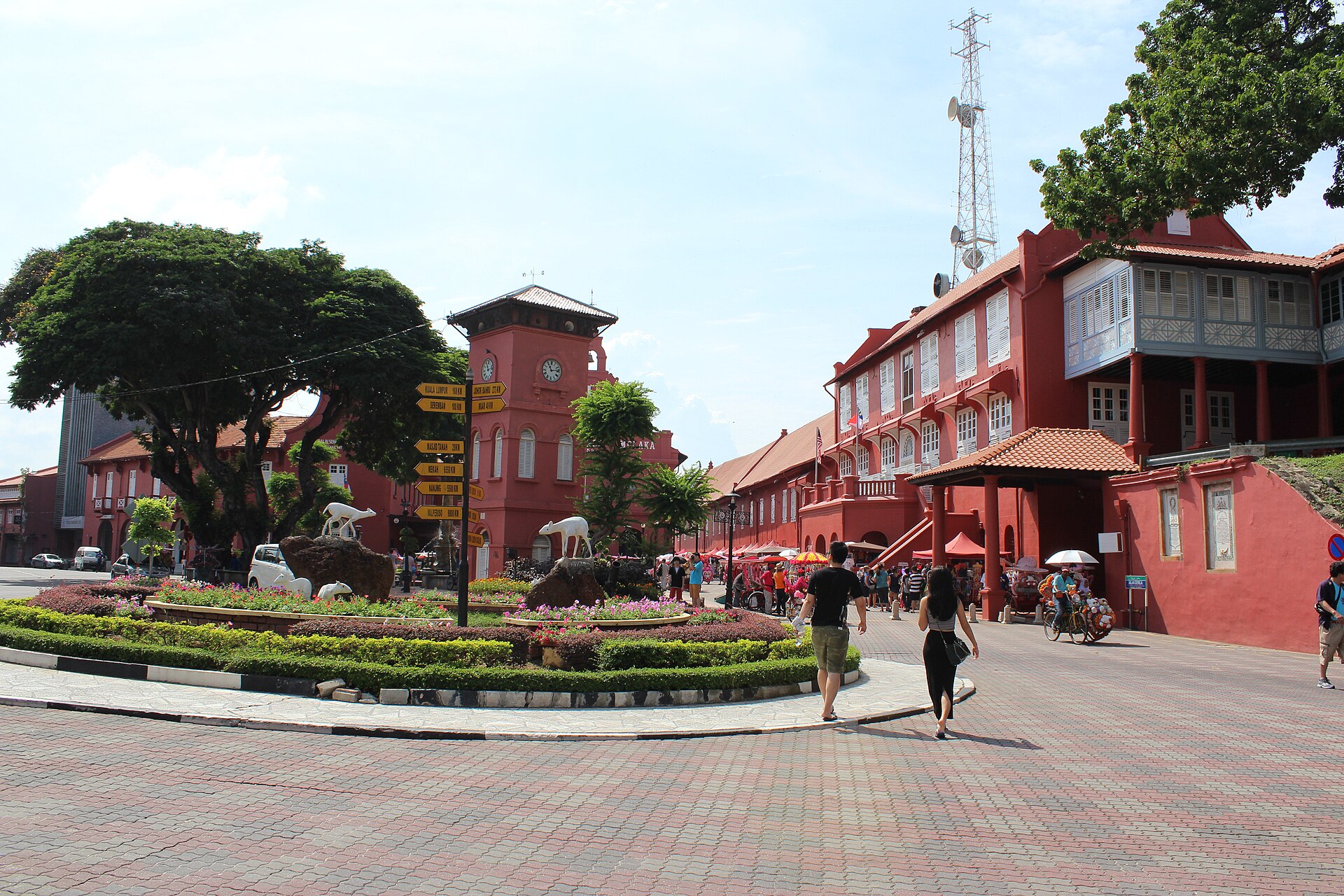
Malacca’s Folk Art Museum is one of those quiet places that doesn’t announce itself with grand facades or tourist crowds, yet it holds the kind of stories that make a city feel lived-in. Housed in a restored Dutch-era shophouse along Jalan Hang Jebat, the building itself is a piece of history—its thick wooden beams, louvred windows, and tiled floors whisper of the generations that passed through its doors. The museum isn’t large, but its collection feels intimate, almost like stepping into a private home where someone has carefully preserved the everyday artistry of the past.
The exhibits here focus on the crafts and traditions that once defined life in Malacca, long before it became a UNESCO World Heritage Site or a stop on the backpacker trail. You’ll find intricately carved wooden screens, delicate batik textiles, and shadow puppets with faces that seem to shift in the dim light. There are also displays of traditional musical instruments, like the rebana drum and the gambus lute, which once filled the air during festivals and family gatherings. What makes these objects compelling isn’t just their craftsmanship, but the way they connect to the rhythms of daily life—how a mother might have embroidered a sarong for her daughter’s wedding, or how a fisherman’s family would have used a handwoven basket to carry their catch to market.
One of the most striking sections is dedicated to the art of wayang kulit, the shadow puppet theatre that has been performed in Malacca for centuries. The puppets, made from buffalo hide and painted in bold colours, are arranged in scenes that hint at the epic tales they once brought to life. The museum doesn’t just show the puppets as static artefacts; it gives a sense of how they were used, with explanations of the stories they told—often adaptations of the Hindu epics Ramayana and Mahabharata, which took on local flavours as they travelled through the Malay archipelago. The performances were more than entertainment; they were a way of passing down moral lessons and cultural values from one generation to the next.
The building’s architecture is worth lingering over. The shophouse, like many in Malacca’s historic core, was designed for both living and working. The front room would have been a shop or workshop, while the back opened onto a courtyard where families cooked, washed, and socialised. The museum has preserved this layout, so as you move through the exhibits, you’re also moving through the spaces where people once went about their lives. The air is cool and still, the only sounds the creak of floorboards underfoot and the occasional murmur of visitors. It’s easy to imagine the clatter of wooden clogs on the tiles or the scent of spices drifting in from the kitchen.
What sets this museum apart from larger, more polished institutions is its focus on the ordinary. There are no royal treasures or grand historical narratives here—just the tools, textiles, and trinkets that filled the homes of merchants, artisans, and labourers. A display of kitchen utensils, for example, includes a coconut grater, a stone mortar for grinding spices, and a brass teapot with a long, curved spout. These objects might seem mundane, but they speak to the resourcefulness of people who made do with what they had, turning simple materials into something beautiful or useful. The museum doesn’t romanticise the past; it presents it as it was—messy, practical, and deeply human.
The museum also touches on the cultural melting pot that has shaped Malacca for centuries. The exhibits include Peranakan artefacts, reflecting the influence of the Chinese-Malay communities who settled here during the colonial era. There are beaded slippers, porcelain bowls, and intricately carved furniture that blend Chinese, Malay, and European styles. The Peranakans, or Straits Chinese, were known for their unique culture, which absorbed elements from the various groups that passed through Malacca’s port. Their legacy is visible not just in the museum, but in the city’s architecture, cuisine, and even its language—a reminder of how trade and migration have always been part of Malacca’s identity.
Visiting the Folk Art Museum feels less like a formal tour and more like a conversation with the past. There are no flashy interactive displays or audio guides; instead, the exhibits are arranged in a way that invites you to look closely, to imagine the hands that shaped the wood or wove the fabric. The lighting is soft, almost reverent, as if the curators wanted to preserve the sense of discovery that comes from handling an object that has survived for decades or even centuries. It’s the kind of place where you might spend an hour or two, not because you’re rushing to see everything, but because you’ve found something that resonates—a detail, a texture, a story that makes you pause.
For those who know Malacca only as a postcard-perfect destination, the Folk Art Museum offers a different perspective. It’s a place that reminds you that history isn’t just about monuments and battles; it’s also about the small, everyday things that people carried with them, the skills they passed down, and the ways they found to make life a little more beautiful. The museum doesn’t try to impress with scale or spectacle. Instead, it quietly insists that the most interesting stories are often the ones that have been overlooked. And in a city as layered as Malacca, those stories are everywhere—you just have to know where to look.