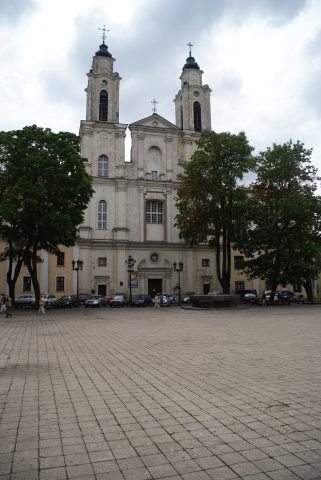
The Malacca Literature Museum is one of those quiet corners of the city where time seems to slow down, allowing history and culture to unfold at their own pace. Housed in a colonial-era building that has witnessed centuries of change, the museum itself is a piece of living history. Originally built as a residence for Dutch officials before later serving the British administration, the structure retains much of its original character—high ceilings, thick wooden shutters, and wide verandas that once overlooked the bustling streets of a trading port. Today, it serves as a sanctuary for the written word, preserving the voices that have shaped Malay literature and, by extension, the identity of the nation.
The museum’s collection is modest in size but rich in significance. Its exhibits trace the evolution of Malay literature from ancient manuscripts to contemporary works, offering a glimpse into how storytelling has reflected the country’s social and political transformations. Rare first editions, handwritten texts, and personal artifacts belonging to some of Malaysia’s most celebrated writers fill the rooms. What makes this place special is its focus on Malacca’s unique literary heritage. The city has long been a melting pot of cultures—Malay, Chinese, Indian, Arab, and European—and its influence on literature is undeniable. Here, you can see how these diverse threads have woven themselves into the fabric of Malay writing, creating a tradition that is both distinctly local and universally resonant.
The building itself is a fine example of colonial architecture, its design a blend of practicality and elegance. The spacious courtyards, shaded by old trees and centered around small fountains, invite visitors to linger. Inside, the rooms are arranged like chapters in a book, each one offering a different perspective on the literary past. One exhibit might showcase the ornate calligraphy of a 19th-century manuscript, while another displays the simple, powerful prose of a writer who challenged colonial rule. The museum doesn’t rush you; it encourages you to take your time, to read between the lines, and to appreciate the craftsmanship behind the words.
One of the most compelling aspects of the museum is its exploration of how literature has intersected with history. Malacca’s strategic location as a trading hub meant that it was always exposed to outside influences, and this is reflected in its literary output. You’ll find translations of classical Malay texts into Chinese, Tamil, and Arabic, as well as works written in dialects that have since faded from everyday use. The museum doesn’t just preserve these texts; it highlights the importance of linguistic diversity, showing how language itself has been a battleground for cultural identity. There are also exhibits dedicated to the role of literature in Malaysia’s struggle for independence, where words became weapons—poems and essays that inspired resistance, critiqued oppression, and envisioned a free nation.
For those who know Malacca primarily as a city of historic streets and vibrant markets, the Literature Museum offers a different lens through which to view it. The city has always been a place where stories are born—its alleys, its rivers, its people have all found their way into the pages of books. In turn, literature has helped preserve the memory of these places and their inhabitants. Walking through the museum, you begin to see how deeply the two are connected. A poem about the Malacca River isn’t just about water and boats; it’s about the lives that have depended on it, the traders who sailed it, the families who lived along its banks. The museum makes these connections tangible, turning abstract words into something you can almost touch.
What the museum lacks in size or flashy displays, it makes up for in authenticity. There are no holograms or interactive screens here, just the quiet power of well-chosen artifacts and thoughtful curation. The atmosphere is one of reflection, a welcome contrast to the bustle of Jonker Street or the crowds at the Stadthuys. It’s the kind of place where you might spend an hour reading a single exhibit label, or where a chance conversation with a staff member could lead to a deeper understanding of a particular writer or era. For anyone with an interest in literature, history, or simply the quieter side of Malacca, the museum is a rewarding detour.
Beyond its permanent collection, the museum occasionally hosts temporary exhibitions and events that keep it from feeling like a static archive. These might focus on contemporary Malaysian writers, literary festivals, or themes like the influence of oral traditions on modern storytelling. Sometimes, there are readings or discussions with authors, turning the museum into a space where the past and present engage in conversation. These events are small in scale but meaningful, reinforcing the idea that literature is not just something to be preserved but something that continues to evolve and inspire.
At its core, the Malacca Literature Museum is more than a repository of books and documents. It’s a place where the spirit of the city comes alive through words. Malacca has always been a storyteller’s city, and this museum is one of the best places to understand why. There’s no grand narrative here, no attempt to oversell its importance. Instead, there’s a quiet confidence in the belief that literature matters—that it shapes how we see the world, connects us to our past, and gives us the tools to imagine the future. Whether you’re a scholar, a casual visitor, or someone just looking to escape the heat for a while, the museum offers a chance to step into a different rhythm, one where every sentence has weight and every story has a place.