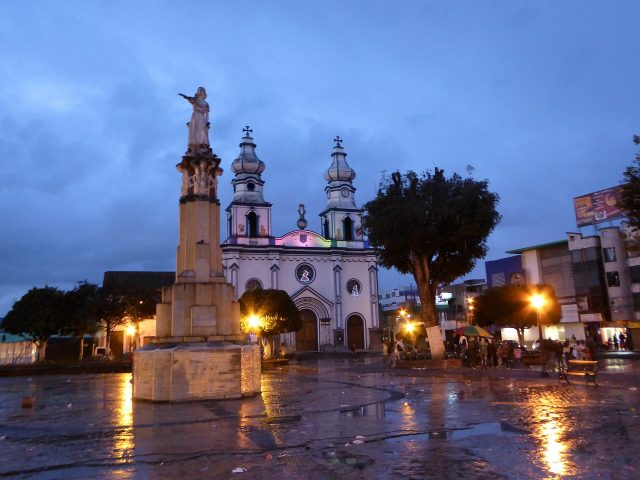
The Museum of Culture and Traditions of Nariño in Ipiales is where the past isn’t just remembered—it’s still alive. This corner of southern Colombia, where the Andes stretch into Ecuador, has always been different from the rest of the country. The air is thin here, the landscapes shifting from emerald valleys to volcanic plateaus, and the culture reflects that uniqueness. It’s a place where Indigenous heritage, colonial influences, and modern life intertwine, and the museum captures that blend not as something frozen in time, but as a living, breathing story that continues to unfold.
The building itself is part of that story. It was once a grand colonial home belonging to one of Ipiales’ influential families, built with thick stone and clay walls, wooden beams, and a quiet central courtyard where sunlight filters through. These houses were where deals were made, trade routes through the Andes were discussed, and evenings were spent with guitars and storytelling. Now, the same halls echo with the footsteps of visitors, but instead of business talk, there’s the rustle of turning pages and the quiet weight of objects that once belonged to someone else’s daily life.
The museum’s exhibits aren’t arranged by date but by themes that matter to the people of Nariño. One room focuses on traditional crafts—weaving, pottery, instrument-making—skills that have defined the region for generations. Even today, you can find women in nearby villages working at looms, creating patterns passed down through families. The museum doesn’t just display finished pieces; it shows the tools that made them—wooden shuttles, clay molds, leather-working knives—alongside photos of artisans at work. It’s a way of making the past tangible, of showing how these objects came to be.
Agriculture has always been the backbone of life in Nariño, and another section of the museum is dedicated to it. This is potato, corn, and quinoa country, where farming has shaped everything. Old wooden plows, sickles, and grain grinders line the walls, next to images of terraced fields clinging to mountainsides at nearly 10,000 feet. The exhibits explain how people adapted to the harsh conditions—using frost-resistant potato varieties, organizing communal workdays to tend the land. It’s not just about survival; it’s a reminder that rural life in the Andes hasn’t changed as much as you might think.
Religion in Nariño is a mix of Catholic traditions and Indigenous beliefs, and the museum doesn’t shy away from that complexity. Statues of saints wear brightly colored robes that resemble local clothing, and crucifixes are adorned with pre-Columbian designs. The most striking pieces are the masks used in festivals—some fierce, some playful, all carrying meanings that only locals fully understand. These masks are still worn during carnivals, where they become a way to honor ancestors, assert identity, or even poke fun at authority. They’re not just artifacts; they’re part of a living tradition.
The museum also looks at more recent history, with exhibits on 20th-century life in the region. Photos and documents show how Ipiales grew from a small mountain town into a departmental hub, how roads were built, schools opened, and people fought for their rights. There’s a particular focus on the women of Nariño—their roles in families, communities, and the preservation of traditions. Displays highlight teachers, activists, and artisans who’ve shaped the region, proving that history isn’t just made by the powerful.
What makes this museum different is how it invites you to engage. There are no "do not touch" signs here, and the guides often share stories that aren’t in any official records—like how some villages still perform rain-making rituals or why certain rocks are considered sacred. Sometimes, visitors can try their hand at weaving, play a traditional flute, or even cook a local dish. These moments turn a museum visit into something more personal, almost like being welcomed into someone’s home.
Ipiales isn’t a place most travelers think of when they plan a trip to Colombia, but that’s part of its charm. The Museum of Culture and Traditions of Nariño isn’t just a collection of objects; it’s a place where the past and present meet. You don’t just learn about history here—you feel it, through the things people once used, the stories they told, and the way their lives still echo in the present. It’s imperfect, incomplete, and all the more real for it. That’s why it stays with you.