Kremenets Lyceum Museum is one of those rare places where history isn’t just displayed—it lingers in the very fabric of the building. Founded in the early 19th century, it was the first institution of higher learning in Volhynia and a cornerstone of the region’s intellectual life. The lyceum wasn’t just a school; it was a place where education was treated as a matter of honor, shaping generations of students who would later leave their mark on Ukrainian and Polish culture.
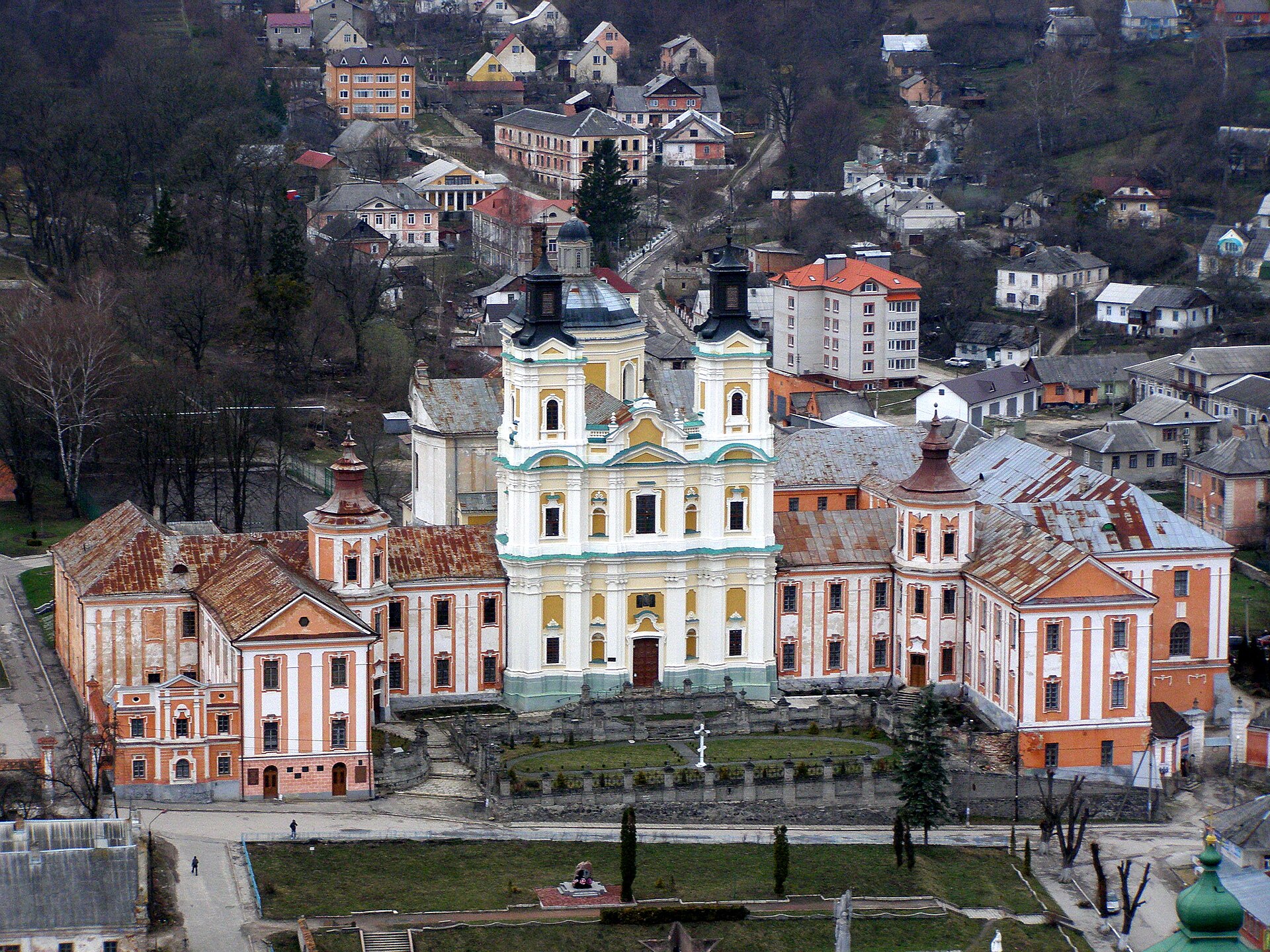
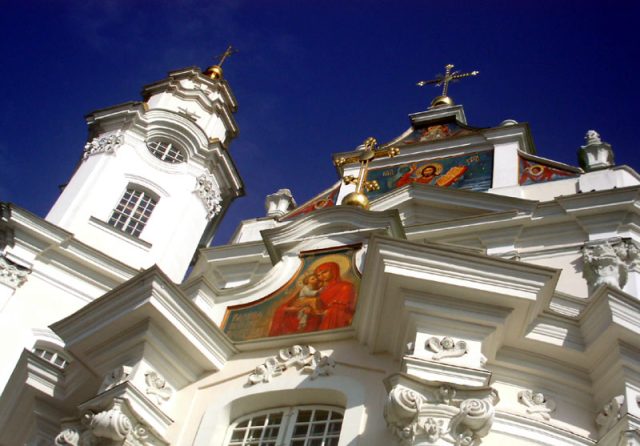
The building itself stands on the site of a former Bernardine monastery, established in the 17th century. When the monastery was repurposed into an educational institution, its Baroque architecture was preserved, though in a more restrained form. The high vaulted ceilings, sturdy oak doors, and wide staircases give the space a timeless quality, as if the building itself is holding its breath. The former monastery church, now an assembly hall, still hosts ceremonies, its walls echoing with the voices of past students and teachers.
In the 19th century, the lyceum was more than just a school—it was a hub of ideas and creativity. Among its students and faculty were figures who would later become prominent in literature, science, and public life. One of the most famous alumni was Juliusz Słowacki, a towering figure of Polish Romanticism. His time in Kremenets left a lasting impression, not just in his poetry but in local lore. Some say the rolling hills of Volhynia inspired his earliest verses, though whether that’s true or simply part of the legend, the connection remains.
The museum’s exhibits go beyond the lyceum’s history, offering a glimpse into the broader cultural life of the region. Visitors can see old textbooks, manuscripts, and photographs of former students and teachers, as well as everyday objects from the 19th century. Documents from different eras—from the tsarist period to the Soviet era, when the lyceum became a pedagogical institute—show how education evolved over time. Each item tells a story, not just about the institution, but about the changing ideals of knowledge and enlightenment.
The lyceum’s location is no accident. Perched on a hill, it overlooks the old streets of Kremenets and the surrounding countryside. On clear days, the view stretches far beyond the town, and it’s easy to imagine how this panorama might have stirred the minds of young students. The town itself, with its medieval layout and well-preserved architecture, complements the lyceum’s atmosphere. There’s a quiet dignity here, a sense that history isn’t something grand and distant, but woven into the everyday.
Today, the museum is open to visitors, though it’s not as widely known as other historical sites in Ukraine. That doesn’t make it any less significant. This isn’t a place for flashy exhibits or interactive displays; it’s a space where the past feels tangible. Walking through the halls, you can’t help but wonder about the lives that passed through here—the dreams, the debates, the quiet moments of discovery. The lyceum wasn’t an elite institution in the modern sense; it was a place where anyone with a thirst for knowledge could find a home.
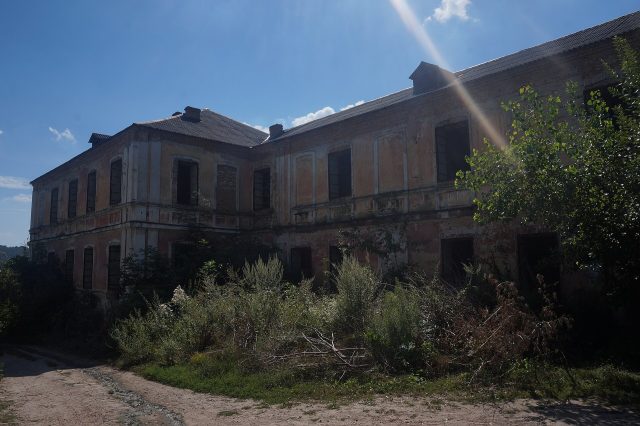
Over the years, the building has seen its share of challenges—restorations, neglect, and efforts to restore its former purpose. Yet through it all, it has remained a symbol of resilience. Today, it hosts tours, lectures, and occasional concerts. For locals, the lyceum is more than a museum; it’s a part of their own story, tied to memories of childhood, education, and the first steps into adulthood.
This isn’t a place for those seeking excitement or entertainment. There are no flashy displays or immersive experiences. Instead, it offers something quieter: a chance to reflect, to connect with the past in a way that feels personal. In a world that moves too fast, places like this remind us that some things—education, culture, memory—don’t lose their value with time. They endure, just like the walls of the lyceum itself.