Iringa Museum is one of those quiet places where history feels close enough to touch. Tucked along the main road through town, the building itself carries the weight of the past—once a German colonial administrative office, later a British outpost, now a repository of stories from a region shaped by trade, conflict, and cultural exchange. The structure stands as a reminder of Iringa’s role as a crossroads, where caravans, armies, and ideas intersected long before the borders of modern Tanzania took shape.
Inside, the collection is modest but carefully curated, offering a glimpse into the lives of the people who called these highlands home. The Hehe people, who have lived here for generations, are at the heart of the exhibits. Their tools, weapons, and everyday objects—carved stools, woven baskets, iron spears—speak of a way of life that endured despite the upheavals of the late 19th century. The most compelling displays, though, are those tied to resistance against colonial rule. Photographs of Hehe leaders, faded documents, and personal belongings tell the story of a fierce but ultimately doomed struggle against German forces. These artifacts don’t just document history; they humanize it, making the past feel immediate rather than distant.
The building’s architecture is part of the experience. Designed in the solid, practical style of colonial East Africa, it features thick walls, high ceilings, and large windows that let in a soft, diffused light. The interior courtyards and wide verandas create a sense of openness, while the worn wooden doors and staircases add a layer of authenticity. Some rooms still have their original details—tiled floors, intricate railings—hinting at the building’s former life as a seat of power. Walking through the galleries, it’s easy to imagine the voices that once filled these halls, the decisions made within these walls.
What the museum lacks in size, it makes up for in intimacy. There’s no overwhelming rush of exhibits here, no need to hurry past one display to get to the next. Instead, visitors can take their time, examining each object and considering its place in the broader narrative. The exhibits are arranged to show connections—how trade introduced new materials, how conflict altered traditions, how cultures collided and adapted. One of the most striking contrasts is seeing traditional Hehe artifacts displayed alongside European imports: a hand-forged spear next to a German rifle, a woven gourd beside a porcelain teacup. These juxtapositions quietly illustrate the complex, often painful process of cultural exchange that defined the region at the turn of the 20th century.
For travelers interested in Tanzania’s history, Iringa Museum offers a different perspective from the more famous sites in Dar es Salaam or Zanzibar. It’s not a place you’ll find in every guidebook, which means you’re likely to have the galleries to yourself. The staff, often locals with a deep knowledge of the region’s past, are usually happy to share insights if you ask. Sometimes they’ll even bring out items not on public display, offering a more personal connection to the exhibits. It’s the kind of place where a casual conversation can turn into an impromptu history lesson.
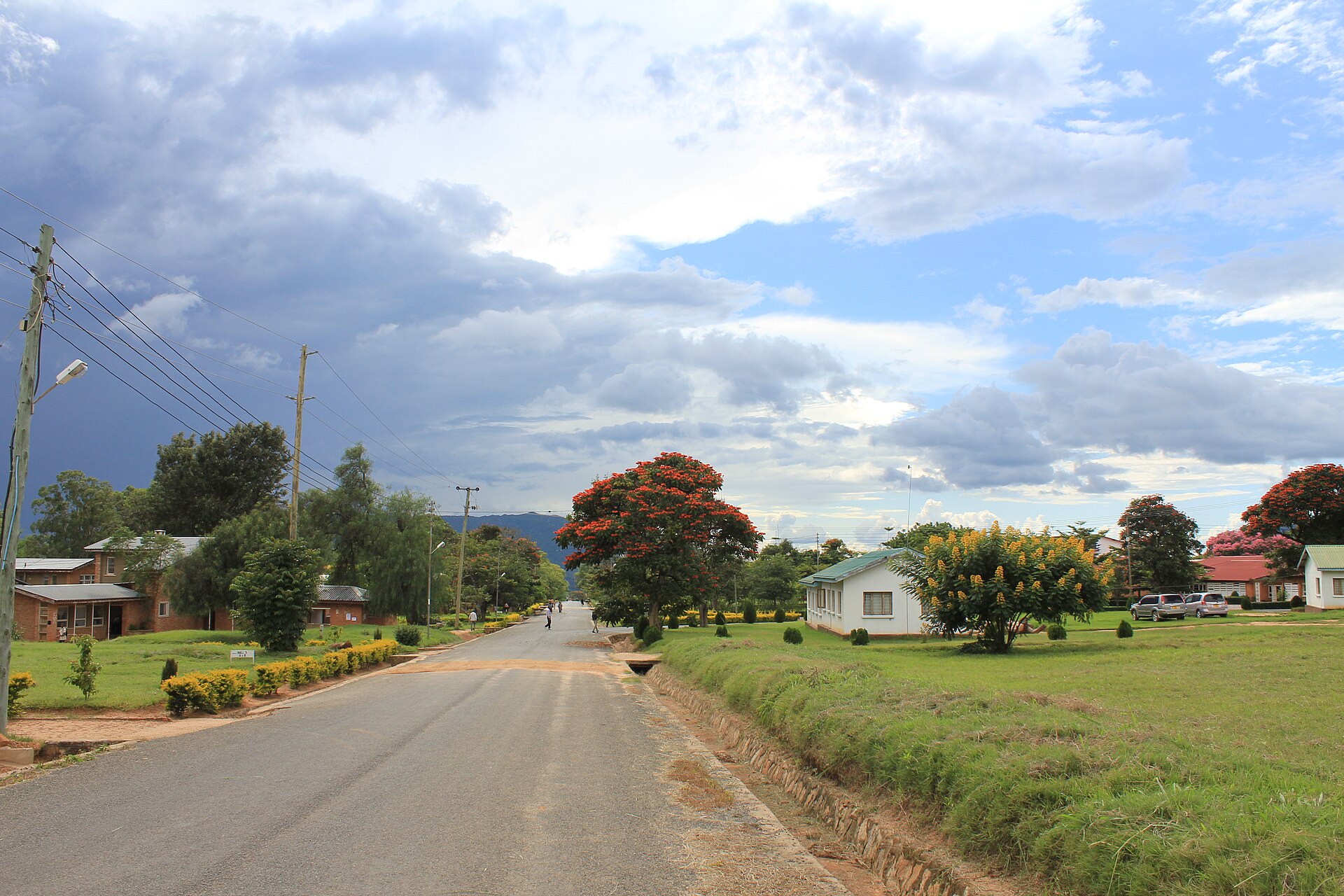
Iringa itself is a town that wears its history lightly. Perched on a series of hills, it offers sweeping views of the surrounding countryside, where the past and present coexist in plain sight. Colonial-era buildings stand alongside modern shops and traditional round huts, while the bustling market is a reminder of the town’s enduring role as a commercial hub. The museum fits seamlessly into this landscape, not as a relic but as an active part of the community. After visiting, it’s worth taking a walk through the center of town, stopping by the market or climbing to one of the viewpoints to see Iringa from above. The museum’s stories linger in the air here, woven into the fabric of the place.
Beyond its appeal to tourists, the museum plays a vital role in the life of the town. School groups frequently visit for guided tours, and local families come to reconnect with their heritage. It’s a place where the past isn’t just preserved but actively engaged with, where younger generations learn about the struggles and resilience of those who came before them. In a country where change often feels rapid and relentless, such institutions serve as anchors, grounding the present in the stories of the past.
A visit to Iringa Museum isn’t about ticking off another attraction or spending hours poring over exhibits. It’s about stepping into a space where history feels tangible, where the weight of the past is balanced by the quiet dignity of the objects on display. There’s no overwhelm here, no sense of being rushed through a checklist of must-see items. Instead, the museum offers something rarer: the chance to sit with the past for a while, to let it unfold at its own pace. For anyone passing through Iringa, it’s a small but meaningful stop—a place where the stories of this corner of Africa come alive in the details.