Slavutych doesn’t look like a city that shouldn’t exist. It does. Built in the late 1980s for Chernobyl workers after the disaster, it’s a place where history moves in decades, not centuries. The city museum sits in a central square, small but deliberate. No grand halls, no sweeping narratives—just the quiet accumulation of what it means to live in a town born from crisis.
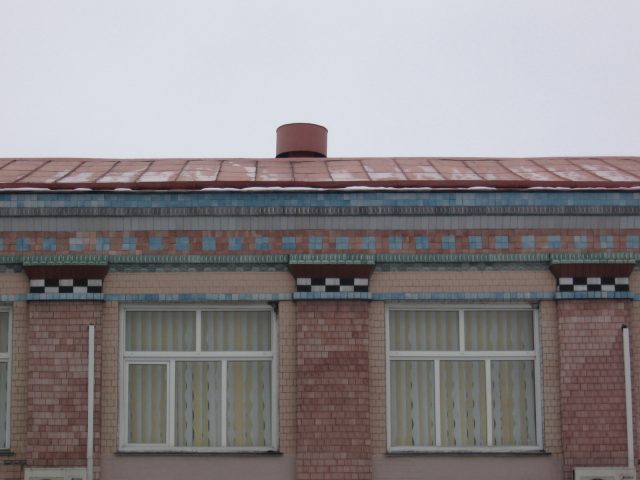
The building blends into Slavutych’s modernist streets. Inside, the exhibits start with the obvious: the evacuation of Pripyat, the abandoned city nearby, and the decision to build a new home in two years. Photographs show construction crews working through nights, prefabricated blocks rising from the pine forest. Documents detail the urgency—how a city was planned, funded, and inhabited before the first streets were paved.
But the museum’s strength is in the personal. A child’s drawing from the first year. A letter from a worker to his family in Kyiv, unsure if he’d ever return. Oral histories from residents who arrived as young parents, their lives uprooted for a place that didn’t yet have schools or shops. One display shows a wedding photo from 1987—the bride in a borrowed dress, the groom in a borrowed suit, both standing in front of a half-finished apartment block.
The architecture tells its own story. Slavutych wasn’t built by one architect but by many—teams from across the Soviet Union, each designing a neighborhood. The result is a city of contrasts: Baltic brickwork next to Central Asian mosaics, wide boulevards that suddenly narrow into intimate courtyards. The museum has models of the original plans, showing how green spaces were placed to soften the edges of a city built for speed. How the layout was meant to feel normal, even if nothing about it was.
There’s no sugarcoating. Exhibits address the hard questions: What happens when your city’s reason for existing disappears? The Chernobyl plant closed. The workers left. The museum doesn’t offer answers, just the facts—how the population shrank, how jobs vanished, how the city had to find new ways to survive. One display shows a 2005 city council meeting, the room half-empty, the mood uncertain.
Today, Slavutych is changing again. New residents have arrived, drawn by the quiet, the forests, the rivers. The museum reflects this, too. There’s a section on the Polissya region’s natural beauty—birch groves, the Dnipro’s slow curve—contrasting with the city’s industrial roots. Another display highlights local traditions, like the annual festival where residents from different neighborhoods compete in folk dancing, each group wearing the colors of their Soviet-era hometown.
Have you ever walked into a museum and felt like the place was still being written?
That’s Slavutych. The exhibits don’t end—they just pause. The last room has a guestbook where visitors can leave notes. Some are from former residents, returning after years away. Others are from tourists, surprised to find a city so alive in a place they assumed was forgotten. The staff, many of whom have lived here since the beginning, sometimes add their own stories. One told me about the first winter, when the heating system failed and families burned furniture to stay warm. Another pointed to a photo of her daughter, one of the first babies born in the city, now grown and working in Kyiv.
Walk outside after your visit. The city is small enough to cross in an afternoon. Neighborhoods bear the names of Soviet cities—Tbilisi, Baku, Yerevan—each with its own architectural quirks. The air smells of pine. The streets are quiet, but not empty. You’ll see old men playing chess in the park, teenagers on bikes, a woman hanging laundry on a balcony. It’s a place where the past is always present, but the future isn’t fixed. The museum doesn’t explain why Slavutych still matters. It just shows you that it does.