Chernobyl
Chernobyl remains in memory as a stark reminder of human vulnerability and the unintended consequences of technological ambition. It’s not just a name tied to disaster—it’s a landscape frozen in time, where empty streets and abandoned buildings hold traces of a vanished way of life.
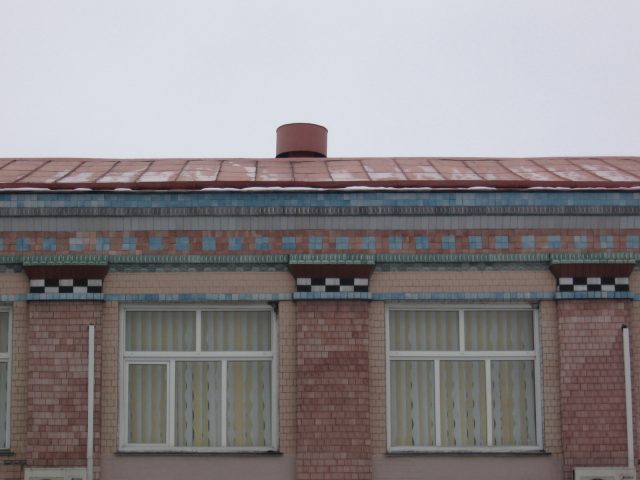
The town was built in the 1970s to house workers and engineers of the nearby nuclear power plant. Wide boulevards lined with apartment blocks, schools, kindergartens, and a cultural center defined its layout. By the mid-1980s, around twelve thousand people lived here. Families raised children, factories operated, and life followed the rhythms of a Soviet town.
The explosion at Reactor No. 4 in April 1986 didn’t just release radiation—it shattered the illusion of control. The Soviet government initially downplayed the disaster, but as the scale became clear, evacuations began. Residents were told they would return in a few days. They never did. The town emptied almost overnight, sealed off from the world.
Walking through Chernobyl today feels like stepping into a time capsule. The streets are quiet, broken only by the sound of wind through overgrown trees. Inside abandoned apartments, furniture stands in place, books gather dust on shelves, and children’s drawings remain pinned to walls. The silence contrasts sharply with the noise of a once-living town.
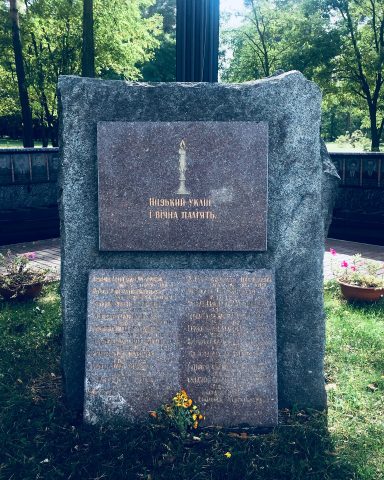
For many, Chernobyl is a place to confront what happened and honor those affected. The power plant itself is the most haunting stop. The ruined reactor now lies beneath a massive sarcophagus. Nearby, a monument remembers the liquidators—workers, soldiers, and volunteers who risked their lives to contain the disaster. Their efforts prevented greater catastrophe, but the cost was high.
Nature has begun to reclaim the land. Without human activity, wildlife thrives. Wolves, deer, and rare birds roam forests that have overtaken former villages. The contrast is surreal: an abandoned schoolyard gives way to dense greenery swallowing human remnants.
Chernobyl is no longer just a relic. Scientists and engineers still monitor radiation levels and study the long-term effects of the disaster. The exclusion zone has become a laboratory where researchers track how ecosystems adapt to contamination. Filmmakers and journalists also visit, drawn by the raw history of the place. Their work ensures the lessons of Chernobyl aren’t forgotten.
Visiting Chernobyl isn’t like visiting other historical sites. There are no grand monuments or polished exhibits. It forces you to think about the fragility of human achievements and the legacy we leave. The town doesn’t offer easy answers. It doesn’t let you look away. It demands reflection on what it means to live in a world shaped by progress and its consequences.