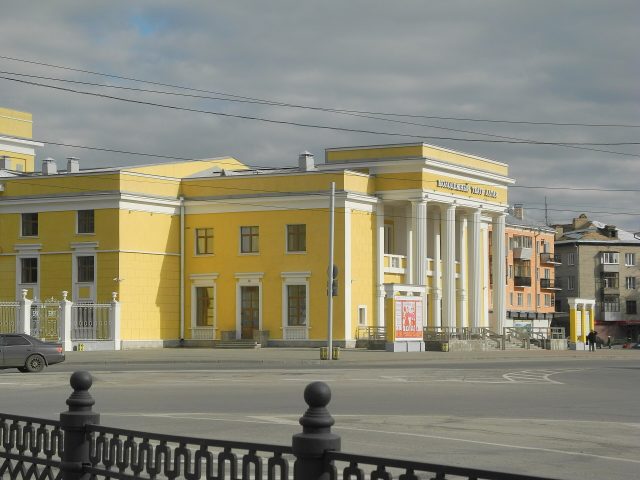
Barnaul’s Museum of the City gathers the story of a town through objects, documents, and personal histories. Opened in the early 2000s, it was created to preserve the memory of ordinary life. You won’t find gilded portraits here. Instead, faded photographs, household tools, craftsmen’s instruments, letters, and diaries form a mosaic of urban life across different eras.
The building itself tells part of the story. It stands in one of Barnaul’s oldest districts, once home to a local merchant family in the late 19th century. The architecture—brick walls, high ceilings, large windows—is typical of Siberian towns from that time. Inside, original details remain: ornate plasterwork, old stoves, and wooden beams. The museum doesn’t recreate the past. It lets the building speak for itself.
The exhibits focus on a few themes. One is Barnaul’s development as an industrial hub. The city’s history is tied to production—silver mining, textile manufacturing, Soviet-era factories. Displays include miners’ tools, fabric samples, factory blueprints, and photographs of workers. These items show how labor shaped the city’s identity.
Another section centers on daily life. Here, you’ll see objects that were once common but now feel distant: kerosene lamps, coal irons, samovars, sewing machines, old radios. Household items—dishes, clothing, toys, books—reveal what people valued. Vintage photographs show how fashion changed, how people posed, and which moments they captured.
A separate hall hosts temporary exhibitions. These might explore the history of a street, works by local artists, or photography projects documenting the city’s changes. Sometimes, the museum becomes a forum for discussing modern issues like historic preservation or urban development. These exhibitions draw both tourists and locals.
The Museum of the City doesn’t try to cover everything. There are no vast halls packed with items. Instead, it offers small narratives. One exhibit might focus on the tram system, another on life during World War II, another on local crafts. Together, they evoke a living city.
The museum collaborates with archives and relies on contributions from residents. People bring in old photographs, documents, and family heirlooms. Some exhibits include personal stories—how an object was used, who owned it, what it witnessed. These narratives make the displays feel intimate.
Visiting isn’t like a traditional tour. There are no rigid routes. You can wander, linger, or revisit favorite displays. The museum hosts themed tours, workshops on traditional crafts, and lectures on local history. Children can try writing with a quill, working on an old loom, or building a model of historic Barnaul.
History isn’t just preserved here—it’s kept alive. The museum reveals the details that usually go unnoticed. You can almost smell the old shops, hear the songs of local festivals, see the courtyards of the mid-20th century. If you want to understand Barnaul as more than a dot on a map, this is where to start.