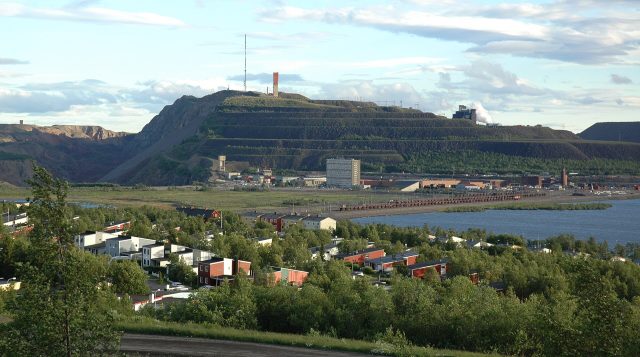
The Mining Museum in Gällivare offers a rare glimpse into the industrial heartbeat of Sweden’s far north. Tucked in the vast landscapes of Lapland, this place tells the story of iron ore—a resource that shaped not just the economy of the region, but the lives of generations who called these harsh yet beautiful lands home. The museum isn’t just about machinery and production; it’s about the people who worked underground, the communities that grew around the mines, and the way an entire corner of the country was built on the back of their labor.
Gällivare’s connection to mining runs deep. The first records of ore extraction here date back to the 17th century, when the Swedish crown began tapping into the north’s natural wealth. But it wasn’t until the late 1800s, when rich deposits of high-quality iron ore were discovered, that the region truly transformed. Workers flocked here from across Sweden and beyond, turning Gällivare into one of the country’s most important industrial hubs. The mines didn’t just bring jobs—they brought railroads, schools, and hospitals, reshaping the landscape both physically and socially.
The museum itself sits on the site of a former mine, which gives it an authenticity that few exhibits can match. Visitors walk through displays of original tools, machinery, and documents that trace the evolution of mining—from backbreaking manual labor to the mechanized processes of today. But the real focus is on the miners themselves: their daily routines, the challenges of working in the Arctic climate, and the tight-knit communities that formed around the pits. Reconstructed barracks, personal belongings, and old photographs bring their stories to life, showing how these men and women endured conditions that would be unthinkable by modern standards.
One of the most striking parts of the museum is the underground exhibit. Descending into the mine, visitors experience firsthand what it was like to work beneath the surface. The narrow tunnels, dim lighting, and the distant hum of machinery recreate the atmosphere of a working mine, offering a small taste of the isolation and danger that miners faced every day. It’s an immersive way to understand just how grueling the work was, especially in an era when safety regulations were minimal and accidents were all too common.
Beyond the technical aspects of mining, the museum also explores the broader impact of the industry on the region. Gällivare and its neighboring towns grew up around the mines, their streets and buildings a direct result of the iron ore boom. The exhibit delves into how the landscape changed—how forests were cleared, how rivers were rerouted, and how entire communities sprang up almost overnight. It also touches on the social shifts that came with industrialization: the influx of workers, the rise of labor movements, and the way mining shaped local identity.
A particularly thoughtful part of the museum addresses the relationship between mining and the Indigenous Sámi people. For centuries, the Sámi lived as reindeer herders and hunters, their way of life deeply connected to the land. The arrival of large-scale mining operations disrupted that balance, forcing them to adapt to a new reality. The exhibit doesn’t shy away from this tension, showing both the challenges the Sámi faced and the efforts made to preserve their culture and rights in the face of industrial expansion.
Today, the Mining Museum serves as more than just a collection of artifacts. It’s a place of reflection, where visitors can learn about the past while considering the future of mining. Educational programs, guided tours, and lectures help keep the stories of the miners alive, ensuring that their contributions aren’t forgotten. The museum also prompts questions about modern mining: how technology is changing the industry, what steps are being taken to reduce its environmental impact, and what lessons can be learned from the past.
There’s a quiet respect that permeates the museum—a recognition of the hard work and sacrifice that built this part of Sweden. It doesn’t romanticize the past, nor does it dwell on hardship for its own sake. Instead, it presents a straightforward account of what mining meant for the people and the land. For anyone curious about Sweden beyond its cities and tourist spots, the museum in Gällivare offers a compelling look at the industrial roots of the north. It’s a reminder of how human effort and the natural world have shaped each other, for better and for worse, in one of the most remote corners of the country.