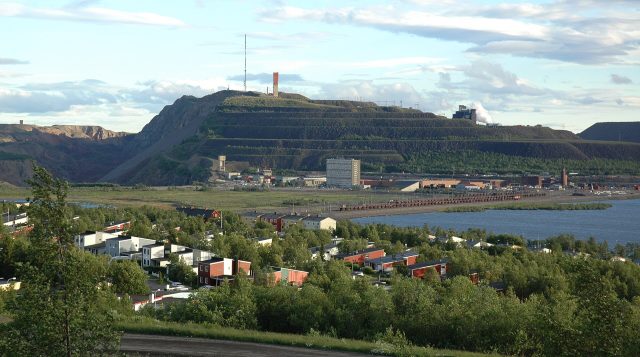
Gällivare Mountain Park is one of those rare places where the raw beauty of the North meets the quiet persistence of human history. Tucked deep in Swedish Lapland, it feels like stepping into a world where time moves differently—where forests, lakes, and rocky outcrops have shaped life for centuries, and where the land still dictates the rhythm of things. There are no crowds here, no tourist traps, just the kind of silence that lets you hear the wind through the pines or the distant call of a bird. It’s remote, but not inaccessible; wild, yet welcoming in its own understated way.
The park’s story is inseparable from the region’s mining past. Copper was first extracted here in the 17th century, and later iron ore became the focus, turning this corner of Lapland into an industrial hub. The scars of that era are still visible—abandoned quarries, overgrown pits, and the skeletal remains of old mining structures, now softened by moss and time. Some of these sites are part of the park’s trails, offering a glimpse into how people once worked these harsh lands. Even today, mining remains a part of life here; if you’re lucky (or unlucky, depending on your perspective), you might spot the hulking shapes of massive dump trucks moving in the distance, a reminder that this is still very much a working landscape.
The architecture in the park is simple but purposeful, built to withstand the extremes of the Arctic climate. The wooden cabins scattered across the area follow traditional northern designs—low-slung roofs to shed snow, wide windows to capture what little daylight there is in winter. Some of these buildings now serve as small museums or visitor centers, where you can learn about the geology of the region, the history of mining, or the culture of the Sámi, the Indigenous people who have called these lands home for thousands of years. One cabin might display rusted mining tools, while another tells the story of daily life here a century ago, when survival depended as much on skill as on endurance.
One of the park’s highlights is the viewpoint atop Duottar Mountain. The hike up is short but rewarding, offering a sweeping panorama of the surrounding landscape. From this vantage point, you can see how the terrain shifts—dense forests giving way to rocky slopes, which in turn fade into the shimmering expanse of countless lakes. In winter, the scene transforms entirely; snow blankets everything, and the world below looks like an endless white desert. Summer brings its own magic, especially during the midnight sun, when the sky never fully darkens, and the light takes on a surreal, golden quality.
For those who want to do more than just look, the park offers several trails, each with its own character. The most popular route leads to an old iron ore quarry, winding through forests and past small bogs before ending at a cliff overlooking the vast, man-made crater. Another trail takes you to a quiet lake, where the only sounds are the occasional ripple of water and the cry of a bird. History enthusiasts might prefer the path that passes by the remnants of old mining operations, though some of these structures are in poor condition and best admired from a distance. The trails are well-marked but unobtrusive, blending into the landscape rather than dominating it.
The park is also a place where Sámi culture is still very much alive. The Indigenous people of Lapland have shaped this land for generations, and their presence is felt in everything from the names of lakes and mountains to the occasional reindeer herd grazing in the distance. Sometimes, the park hosts events that celebrate Sámi traditions—storytelling sessions, workshops on traditional crafts, or demonstrations of reindeer herding. Even when no events are scheduled, the influence of Sámi culture is everywhere, from the patterns carved into wooden signs to the way the land itself is respected and understood.
Winter here is a season of extremes. Snow covers the ground from October to May, turning the park into a quiet, frozen wonderland. The trails become paths for snowshoeing or cross-country skiing, and the long nights offer some of the best chances to see the northern lights dancing across the sky. Summer, by contrast, is brief but vibrant—wildflowers bloom in the brief warmth, birds fill the air with song, and the lakes teem with life. It’s a time when the park feels almost gentle, a place where you can wander for hours without seeing another soul.
What makes Gällivare Mountain Park special isn’t just its scenery or its history, but the way it makes you slow down. There’s no rush here, no need to check off a list of sights. You can spend an afternoon wandering the trails, or sit by a lake and watch the light change over the water. The air is clean, the pace unhurried, and the sense of space almost overwhelming. It’s a place where the past and present coexist quietly, where every rock and tree seems to hold a story. And perhaps that’s the real draw—not just the beauty of the land, but the way it makes you feel like you’ve stepped into a world that still moves at its own, unhurried pace.