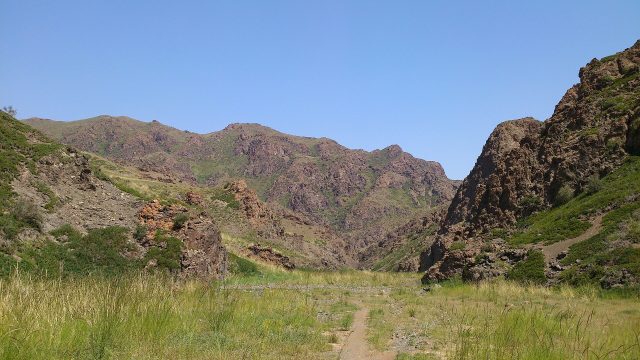
The Gobi Museum in Dalandzadgad isn’t the kind of place you visit just to check another attraction off your list. It’s where the desert begins to make sense—not through grand displays or flashy exhibits, but through the quiet weight of its own story. The Gobi isn’t just sand and rock; it’s a living landscape with layers of history, and this museum does its best to peel them back.
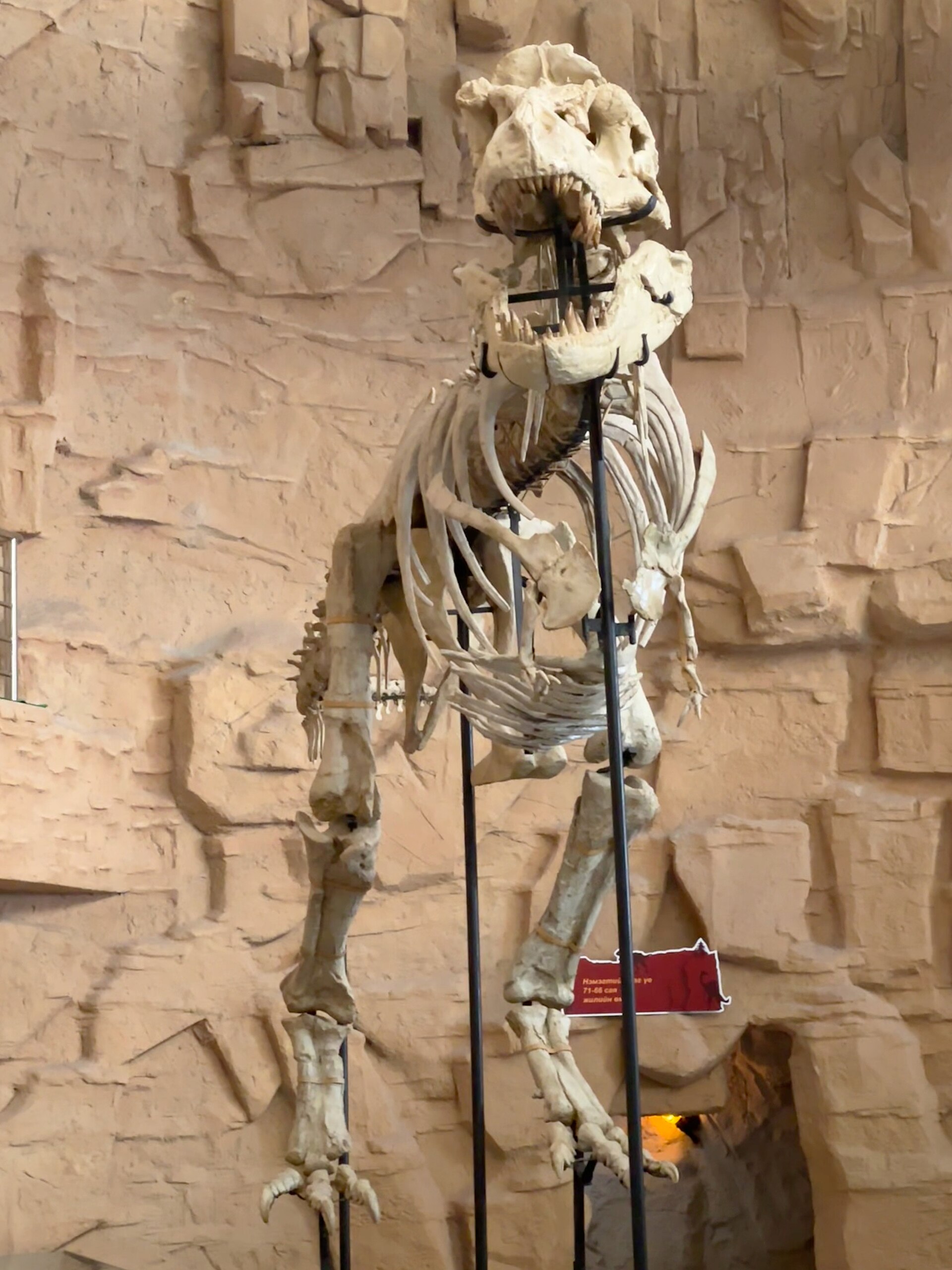
The first thing you notice is the geology. The halls are filled with rock samples, minerals, and fossils pulled from the desert floor, each one a piece of a much older puzzle. The dinosaur bones are the most striking—fragments of sauropods and theropods that once roamed these lands when the Gobi was a very different place. Maps nearby show how the terrain has shifted over millions of years, how rivers vanished underground and dunes took their place. It’s a reminder that even the most barren landscapes have a past that’s anything but still.
Then there’s the life that persists here. The museum’s collection of taxidermied animals includes species you won’t find anywhere else: wild Bactrian camels, khulans, and the elusive snow leopard. The Gobi bear, one of the rarest mammals on earth, gets its own spotlight—there are only a few dozen left, all confined to this corner of the world. The plant exhibits are just as revealing, showing how life adapts to extremes. There are photographs of saxaul trees, their roots stretching deep for water, and desert blooms that burst into color within hours of rain, only to fade just as quickly.
Human history in the Gobi is just as layered. The museum holds artifacts from the nomadic cultures that have called this place home for centuries: pottery, tools, jewelry. The most intriguing pieces come from the Xiongnu, the ancient confederation that built the first steppe empire. There are also traces of the Silk Road, which cut through the Gobi, turning it into a crossroads between East and West. The exhibits don’t just show objects—they hint at the resilience of people who learned to thrive where others might see only hardship.
The ethnographic section brings the story closer to the present. Traditional gers, clothing, and household items fill the space, but the focus is on camel herding, a way of life that still defines the region. Saddles, harnesses, and tools for shearing camel wool are displayed alongside photographs of festivals like the Thousand Camel Festival, where herders gather to race, trade, and celebrate their traditions. It’s a glimpse into a culture that hasn’t just survived in the Gobi but has shaped it.
What the museum doesn’t do is try to be everything at once. There’s no attempt to dazzle with technology or overwhelm with information. Instead, it zeroes in on what matters—the essence of the Gobi, stripped of pretense. After a visit, the desert feels different. You start to see it not as an empty expanse but as a place where every grain of sand carries a memory, where the past isn’t just preserved in exhibits but is still alive in the wind and the rocks.
Dalandzadgad is a small town, and the museum fits its scale. It’s not a grand institution but a quiet introduction to the Gobi for travelers about to venture deeper into the desert. After seeing it, a trip to the singing dunes of Khongoryn Els or the Flaming Cliffs of Bayanzag takes on a new dimension. You begin to notice things you might have missed before—the way the light hits the rocks, the patterns in the sand, the stories hidden in plain sight. The Gobi isn’t just a destination; it’s a place that asks you to look closer.