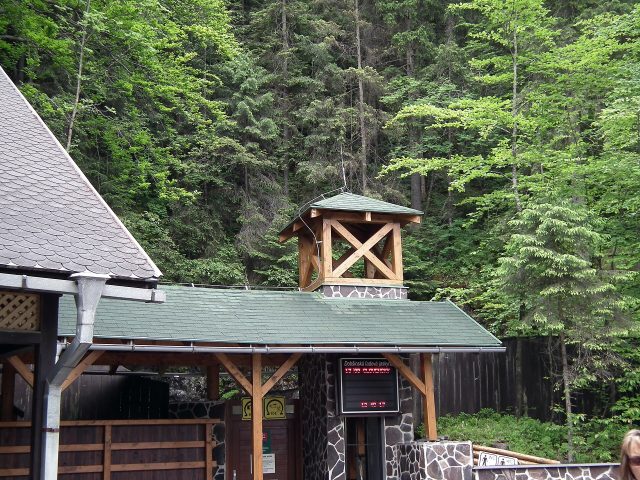
Nestled in the quiet town of Dobšiná in eastern Slovakia, the local museum offers more than just a glimpse into the past—it tells the story of a community shaped by the earth beneath its feet. Housed in a sturdy, early 20th-century building that once belonged to a mining company, the museum carries the weight of its history in its architecture. Thick walls, tall ceilings, and large windows give the space an air of solidity, as if built to withstand not just time, but the very industry it once served. Inside, the atmosphere feels like a step back into an era when mining wasn’t just a job, but a way of life that defined the rhythm of the town.
The exhibits begin with the origins of mining in the region, tracing back to the Middle Ages when the first shafts were dug into the hills around Dobšiná. Iron and copper were the early prizes, and local craftsmen became known for their skill in working metal. The museum doesn’t just present dates and facts; it shows how these resources shaped trade, livelihoods, and even the identity of the people here. Tools from different eras line the displays—simple hand-forged picks and hammers used centuries ago, alongside more complex machinery that arrived with industrialization. Each piece feels like a relic of human effort, a reminder of the hands that once wielded them in the dark, damp tunnels beneath the town.
One of the most striking parts of the museum is the collection of mining lamps, some so old they seem almost primitive. Before electricity, these flickering lights were all that stood between miners and the suffocating blackness underground. The lamps vary in design—some crude, others surprisingly intricate—each one a testament to the ingenuity required to work in such harsh conditions. Nearby, a display of protective gear shows how little separated the workers from danger: leather helmets, thick gloves, and heavy boots that offered scant protection against cave-ins or falling debris. The items feel heavy with the weight of their purpose, as if still carrying the echoes of the men who wore them.
For those with an interest in geology, the museum offers a small but fascinating look at the minerals that drew people to Dobšiná in the first place. Samples of quartz, calcite, and other local stones are arranged in glass cases, their colors and textures catching the light in unexpected ways. Some are rough and unremarkable, while others gleam with an almost unnatural beauty, their crystalline structures hinting at the slow, patient work of nature. Maps and diagrams nearby trace the evolution of mining in the region, showing how the search for ore expanded over centuries, carving out new tunnels and leaving behind a network of abandoned shafts that still crisscross the hills today.
The museum doesn’t shy away from the present, either. A section dedicated to modern mining in Slovakia explains how the industry has changed, even as it remains an important part of the country’s economy. While Dobšiná’s mines have long since closed, other sites still operate, using technologies that would have been unimaginable to the miners of the past. The displays touch on the challenges facing the industry today—environmental concerns, economic pressures, and the shift away from heavy industry in favor of new opportunities. It’s a reminder that the story of mining isn’t just about the past; it’s still being written, even if the ink is fading in some places.
Perhaps the most compelling part of the museum is the way it ties the history of mining to the lives of the people who lived it. Photographs of miners, their faces smudged with dust, line the walls alongside personal items—letters, diaries, even a well-worn lunch pail. These small, human details make the past feel immediate. You can almost hear the clatter of tools, the murmur of voices in the dark, the quiet pride of a job well done. There are stories of accidents and rescues, of families who relied on the mines for generations, and of the tight-knit communities that formed around the industry. It’s easy to forget, standing in the quiet museum, just how much of life in Dobšiná once revolved around those underground tunnels.
Today, Dobšiná is a different kind of town. The mines are closed, the industry that once defined it has moved on, and the people here have had to adapt. The final section of the museum addresses this shift, showing how the town is reinventing itself. Tourism, crafts, and efforts to preserve its heritage have become new pillars of the local economy. The museum itself plays a role in this transition, serving as both a record of the past and a bridge to the future. It’s a place where visitors can reflect on how far the town has come—and how much of its identity is still tied to the earth beneath it.
A visit to the Dobšiná Museum doesn’t take long, but it leaves an impression that lingers. It’s not just a collection of artifacts; it’s a story about people, about work, and about the way a place can be shaped by the land it stands on. Dobšiná might seem like just another small town in Slovakia, but its museum reveals something deeper—a history that’s as much about human resilience as it is about the minerals that once made it prosper. For anyone passing through, it’s a quiet reminder that even the most unassuming places have stories worth uncovering.