Varanasi is a city where the past lingers in every corner, but few places capture its layered history as quietly and profoundly as Bharat Kala Bhavan. Tucked within the sprawling campus of Banaras Hindu University, the museum doesn’t announce itself with grand facades or crowds of visitors. Instead, it offers a space where time seems to slow, allowing you to step away from the chaos of the Ganges ghats and the clamor of the bazaars and into a world where art, faith, and daily life have intertwined for centuries.
Founded in 1920 by the art historian and educator Rai Krishnadasa, Bharat Kala Bhavan began as an academic resource for students studying Indian art and archaeology. Its purpose was to preserve the country’s cultural heritage during a period of rapid change, and over the decades, it has grown into a repository of rare and meaningful artifacts. The collections span millennia, from ancient stone carvings to modern paintings, each piece carefully chosen not just for its aesthetic value but for the stories it carries—stories of empires, religions, and the people who shaped them.
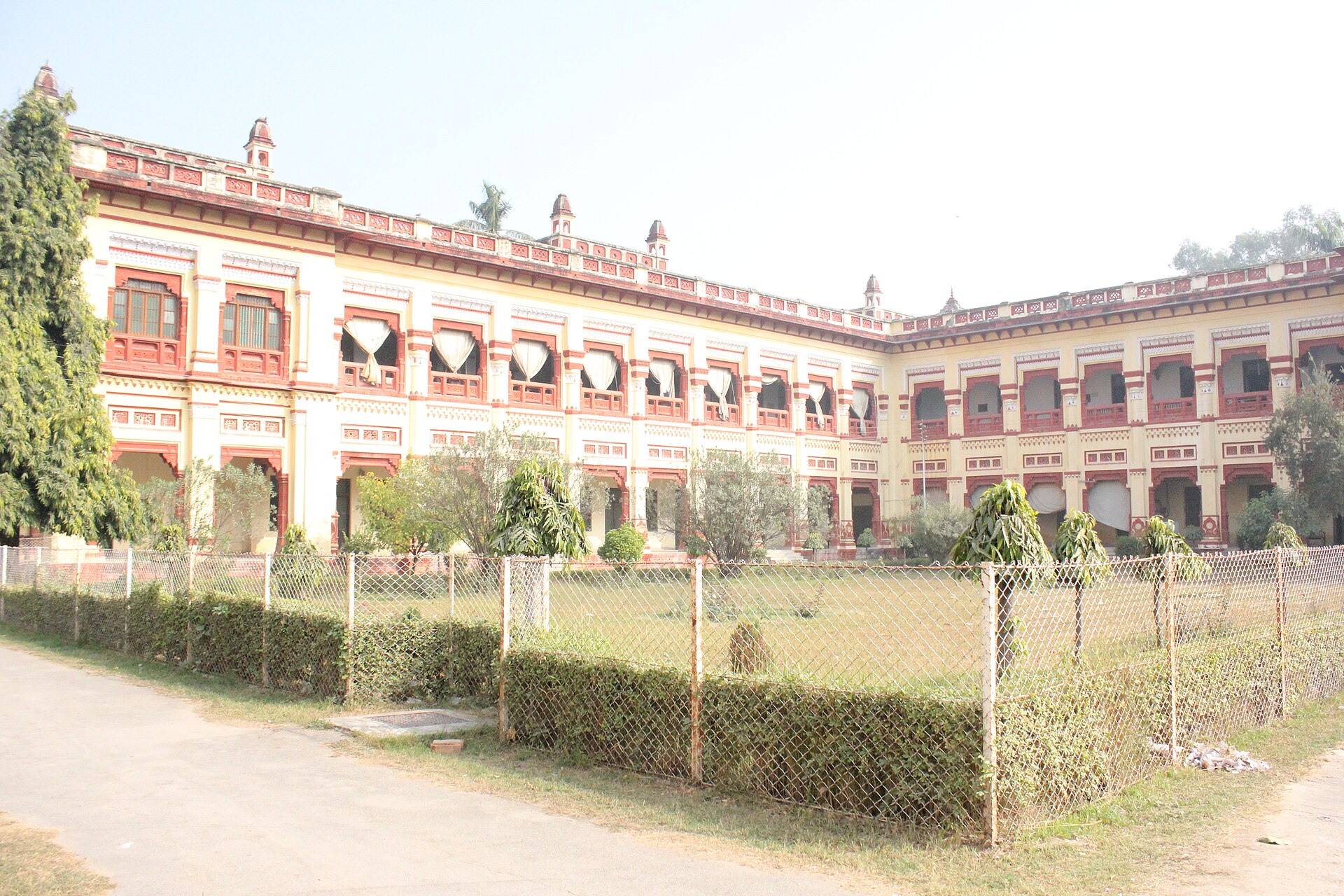
The museum building itself is a testament to traditional Indian architecture, with its wide verandas, intricately carved columns, and open courtyards where sunlight filters through in shifting patterns. Inside, the galleries are spacious yet intimate, designed to invite contemplation rather than overwhelm. The exhibits are arranged to guide visitors through time, beginning with ancient sculptures of Hindu deities and Buddhist relics, moving through Mughal miniatures and medieval manuscripts, and ending with folk art that still thrives in the villages around Varanasi. There’s no rush here; you can linger as long as you like, absorbing the details that catch your eye.
One of the most striking sections of the museum is its collection of sculptures, many of which were unearthed in and around Varanasi. The stone figures of Shiva and Parvati from the 6th and 7th centuries are particularly mesmerizing, their forms frozen in dynamic poses that suggest movement rather than stillness. These works reflect Varanasi’s long-standing role as a center of Shaivism, but the museum also holds Buddhist artifacts, a reminder that the city was once a major hub of Buddhism before it became a sacred site for Hindus. The sculptures aren’t just relics; they’re part of a living tradition, one that continues to shape the city’s identity today.
The painting collection offers another window into India’s artistic evolution. Mughal miniatures, with their delicate brushwork and rich colors, hang alongside works from the Bengal School, which blended European techniques with Indian themes. There are also contemporary pieces that reflect the experiments of 20th-century Indian artists. But perhaps the most evocative works are the folk paintings—simple, vibrant images on cloth or paper that depict festivals, rituals, and everyday scenes. These pieces lack the polish of academic art, but their raw honesty makes them feel immediate, as if the people and traditions they portray are still alive somewhere just beyond the museum’s walls.
Textiles form another vital part of the collection, showcasing the incredible diversity of Indian craftsmanship. There are fine silks from Varanasi, once worn by Mughal royalty, alongside rough cotton fabrics woven by rural artisans. The embroidered shawls and saris are especially striking, each one a testament to the skill and patience of the weavers who created them. Varanasi has long been famous for its textiles, and the museum’s exhibits highlight not just the beauty of the work but the continuity of the tradition—how techniques and patterns have been passed down through generations, adapting yet enduring.
The museum also houses an impressive array of manuscripts and rare books, including religious texts in Sanskrit, Persian chronicles from the Mughal era, and early works in Hindi and Bengali. Some are adorned with gold leaf and mineral pigments, while others dazzle with their calligraphy, where every stroke is a work of art in itself. For scholars, these documents are invaluable, but even casual visitors can appreciate the craftsmanship and the sense of history they convey. They offer a glimpse into the intellectual and spiritual life of the past, showing how deeply the written word has shaped Indian culture.
What makes Bharat Kala Bhavan special is its unhurried atmosphere. There are no guided tours rushing you from one exhibit to the next, no scripted narratives to follow. You’re free to wander, to pause in front of the pieces that speak to you, and to let the history unfold at your own pace. This might be why the museum doesn’t attract the same crowds as Varanasi’s more famous sites. It’s not a place for those looking to tick off a checklist of attractions; it’s for those who want to listen, to look closely, and to feel the weight of the past in the quiet details.
Leaving the museum, you begin to see Varanasi differently. It’s not just a city of temples and rituals, though those are undeniably central to its identity. It’s also a place where art and life have always been inseparable, where every object—whether a stone sculpture, a piece of fabric, or a handwritten manuscript—carries the echoes of those who came before. Bharat Kala Bhavan doesn’t just preserve these echoes; it gives them a voice, allowing visitors to hear the stories of the city in a way that goes beyond the surface. It’s a reminder that Varanasi’s true magic lies not just in its sacredness but in its layers, in the way the past and present coexist, shaping each other in ways that are sometimes subtle, sometimes profound.