Ahar Museum is one of those rare places where history doesn’t just sit behind glass—it lingers in the air, woven into the very walls that once housed it. Tucked away in a quiet corner of northwestern Iran, the museum occupies a building that has witnessed centuries of change. Long before it became a home for artifacts, this structure served as the residence of local rulers, later transforming into an administrative hub. Now, it holds fragments of the past that tell the story of a region shaped by trade, craftsmanship, and the slow passage of time.
Ahar itself was never just another provincial town. During the Middle Ages, it stood at the crossroads of vital trade routes connecting Iran to the Caucasus and Anatolia. Caravans laden with silk, spices, and metals passed through its streets, while local artisans gained renown for their copperwork and ceramics. The museum’s collection reflects this legacy, with everyday objects, weapons, and jewelry unearthed from nearby excavations. Among the most striking pieces are intricately patterned ceramic vessels, their designs a testament to the skill and creativity passed down through generations.
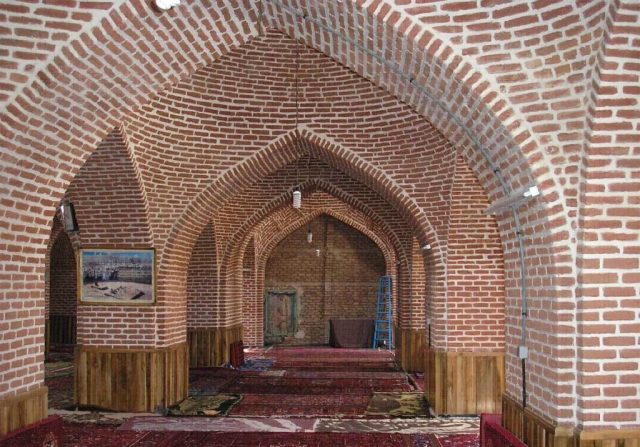
The building itself is a fine example of traditional Iranian architecture, centered around a courtyard with an *iwan*—an open terrace supported by columns. The walls are adorned with carved motifs, while the ceilings feature delicate floral paintings. Even on the hottest days, the interior remains cool, preserving the quiet elegance of a bygone era. Visitors often linger in the courtyard, where the shade of old trees invites reflection on the merchants and officials who once gathered here.
The museum’s exhibits span centuries, from ancient times to the 19th century. Coins minted in local workshops, fragments of medieval manuscripts, and remnants of weapons from long-forgotten battles all find their place here. One of the highlights is the collection of carpets woven in Ahar and the surrounding villages. Unlike the more famous Persian rugs from other regions, these feature bold geometric patterns and vibrant colors, a style unique to this part of Iran.
Beyond historical artifacts, the museum also offers a glimpse into the region’s ethnographic heritage. A dedicated section showcases the culture of local tribes, with displays of traditional clothing, musical instruments, and items tied to nomadic life. Wooden saddles inlaid with metal, clay jugs used for storing water during migrations—these objects reveal the rhythms of a life where Ahar was just one stop in a much larger journey.
What makes this museum special is its intimacy. Unlike the grand, crowded museums of major cities, this one invites slow exploration. There are no crowds, no rush—just the quiet hum of history waiting to be discovered. The staff often share stories behind the exhibits, adding a personal touch to the artifacts. It’s easy to feel as though the past isn’t just preserved here but still alive, breathing through the objects on display.
Ahar isn’t a place most travelers seek out, and its museum is more of a quiet discovery than a must-see attraction. That’s precisely what gives it its charm. There’s no pretense, no attempt to impress—just a genuine connection to the past. For those who venture off the beaten path, the museum offers a chance to step into a world where history isn’t just remembered but felt. If you ever find yourself in this part of Iran, it’s worth pausing to explore a place where the stories of the region unfold in their own unhurried way.