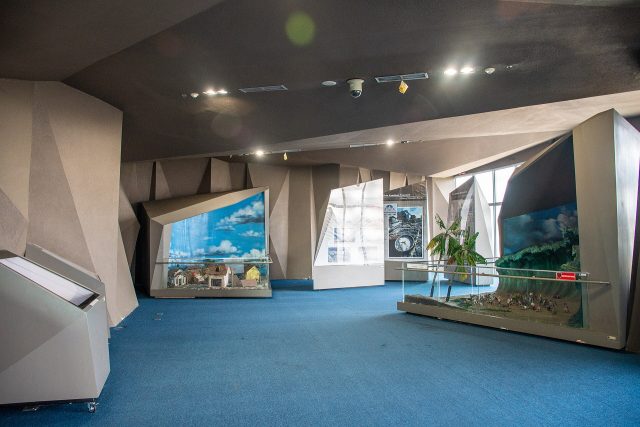
The Aceh Museum stands as a quiet witness to centuries of history, where the past isn’t just preserved behind glass but lingers in the very air of its halls. Located in the heart of Banda Aceh, a city that has long been a crossroads of trade, culture, and conflict, the museum occupies a building that dates back to the early 1900s, when Indonesia was still under Dutch colonial rule. The structure itself is a fine example of colonial architecture, with its high ceilings, sturdy wooden doors, and spacious rooms bathed in soft, filtered light. Walking through its galleries feels like stepping into another era, where time moves at a slower, more deliberate pace.
The museum’s exhibits trace the story of Aceh from its earliest days to the present, with particular emphasis on the period when the Sultanate of Aceh was one of the most powerful and independent states in Southeast Asia. During the 16th and 17th centuries, Aceh dominated key trade routes connecting India, China, and Europe, and the museum’s collections reflect this golden age. Visitors can see ancient maps, weapons, coins, and jewelry, as well as manuscripts written in Arabic and Malay. The ceramics and textiles on display are especially striking, showcasing the skill of local artisans and their connections to distant cultures.
One of the most compelling sections of the museum is dedicated to Aceh’s resistance against Dutch colonization, a struggle that lasted nearly three decades and became one of the longest and most brutal conflicts in Indonesian history. The exhibits here include photographs, documents, and personal belongings of those who fought, along with weapons used in the battles. Rather than glorifying war, this part of the museum offers a sobering look at how fiercely the people of Aceh valued their independence and were willing to defend it at any cost. The atmosphere in this room is noticeably different—quieter, more reflective—and many visitors find themselves lingering longer than they intended.
Beyond its historical exhibits, the museum also provides a glimpse into the daily life of the Acehnese people across different eras. The ethnographic displays feature traditional clothing, household items, musical instruments, and even reconstructed interiors of homes. A significant portion of the collection is devoted to Islam, which has shaped Acehnese culture in profound ways. Ancient Qurans, prayer rugs, and ceremonial objects reveal how faith has influenced not just spiritual life but also art, politics, and everyday customs.
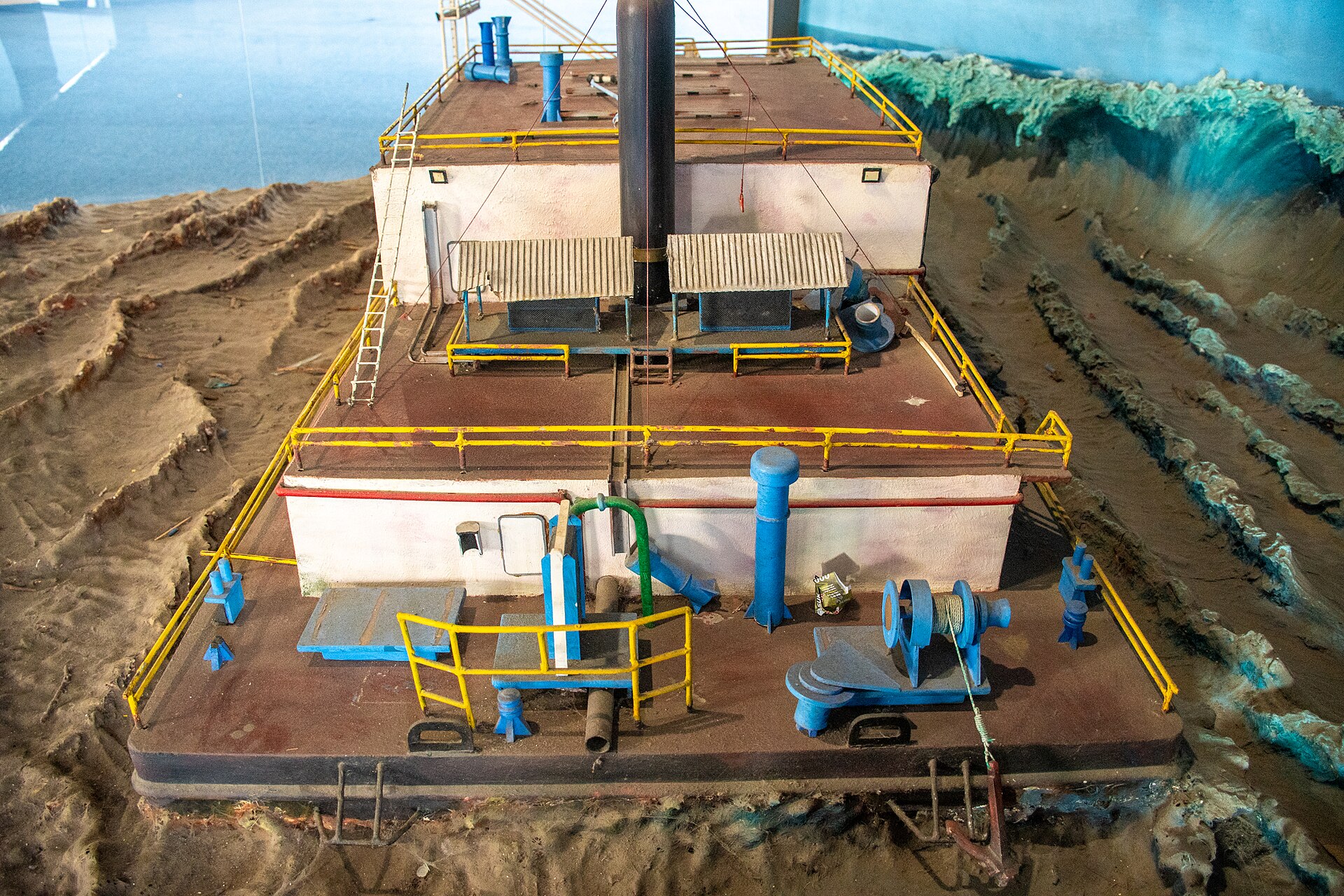
The museum is more than just a repository of artifacts; it’s a living testament to resilience. After the devastating tsunami of 2004, which claimed hundreds of thousands of lives and damaged much of the region, many of the museum’s exhibits were lost or destroyed. Through the efforts of its staff and international support, the collection was painstakingly restored. Today, the museum serves as both a memorial and a reminder of how fragile life can be, while also celebrating the enduring legacy of Aceh’s past.
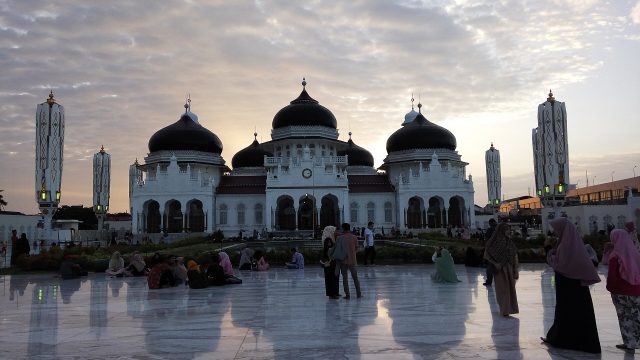
A visit to the Aceh Museum offers more than just a lesson in history—it provides a deeper understanding of the spirit of this remarkable region. Banda Aceh, despite the hardships it has endured, retains its charm and warmth. After leaving the museum, the city’s streets take on new meaning. The old mosques, stilt houses, and bustling markets selling handwoven fabrics and spices suddenly feel more connected to the stories told within the museum’s walls. It’s as if the museum acts as a key, unlocking a richer, more nuanced appreciation of the city and its people.